The Oracular Fragment: Terracotta, Tragedy, and the Architecture of Old Money Silence
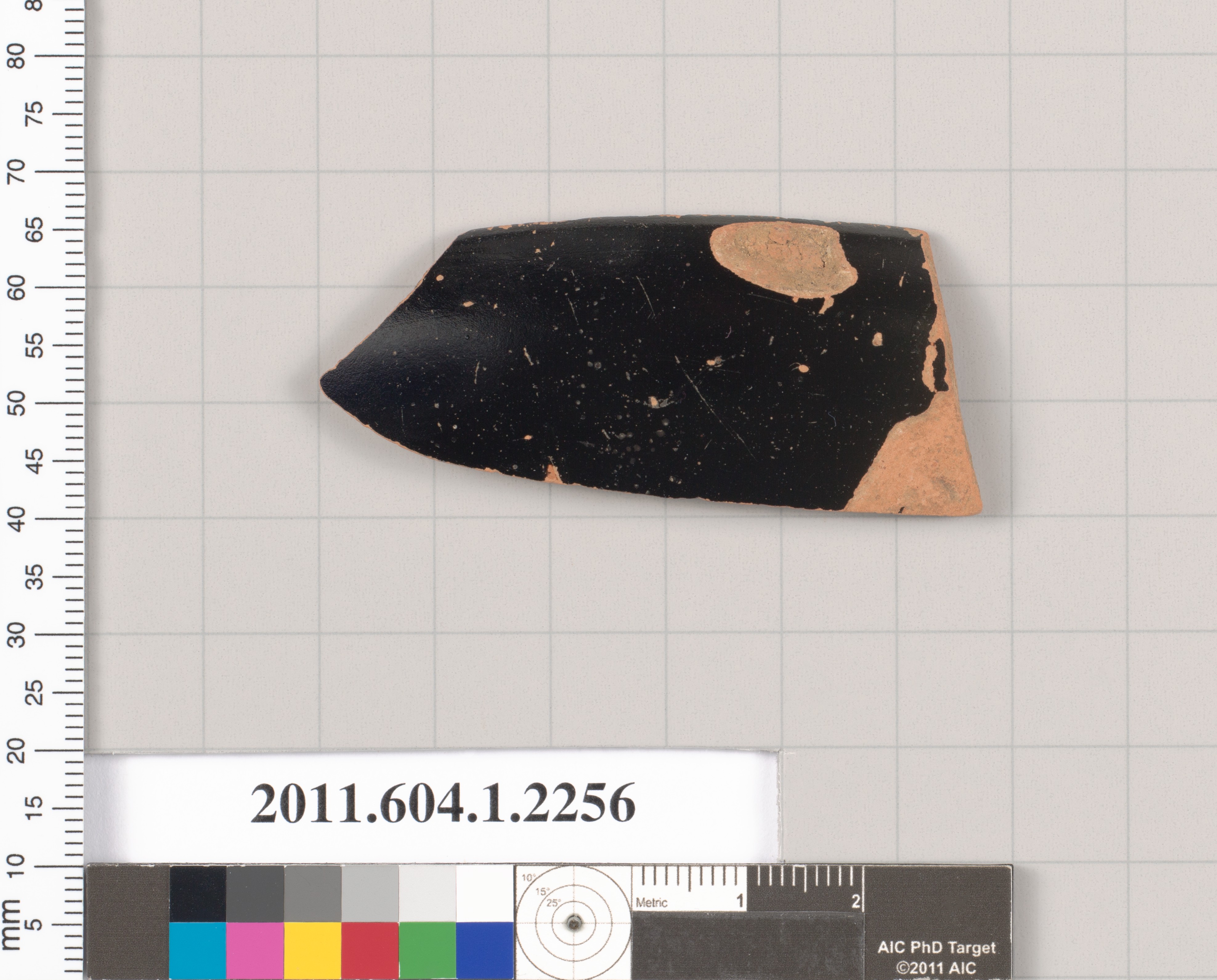
The heritage of luxury is rarely written in bold strokes. It is etched in fragments, in the patina of use, and in the geometries that survive the collapse of empires. At the Lauren Fashion Heritage Lab, we do not merely archive cloth; we decode the philosophical DNA that informs silhouette. The museum artifact under analysis—a terracotta rim fragment of a Greek Attic kylix (circa 5th century BCE)—is not a textile. Yet its broken curve, its painted residue, and its ritual function as a vessel for sympotic discourse constitute a profound genetic code for the 2026 Old Money silhouette. This sherd, when synthesized with the internal genetic code’s meditation on the “Riddle of Oedipus” versus the “Answer of Nature,” reveals that the coming season’s aesthetic is not about novelty, but about the architecture of silence—a garment that, like the kylix, holds its deepest meaning in what it does not say.
I. The Kylix as Philosophical Container: From Symposium to Sartorial Stage
The kylix was the drinking cup of the Greek symposium—a space of philosophical contest, erotic play, and tragic awareness. Its broad, shallow bowl and two horizontal handles were designed for the reclining male citizen. To drink from a kylix was to perform an act of controlled vulnerability: the wine diluted, the conversation sharp, the body supine. The terracotta fragment we examine retains a portion of the black-figure rim, a zone of geometric restraint that once framed a figural scene within. This is not a cup for hurried consumption. It is a container for duration.
For the 2026 Old Money silhouette, this translates into a radical rethinking of the shoulder line and the hem. The kylix’s rim is a boundary that does not shout; it defines. In menswear, we see the return of the structured, slightly extended shoulder in double-breasted jackets—not the aggressive power shoulder of the 1980s, but a terracotta-informed geometry: a clean, horizontal line that suggests containment rather than expansion. The fabric, whether a dense wool flannel or a cashmere twill, must possess a “terracotta weight”—substantial enough to hold a crease, yet soft enough to drape like the clay’s organic curve. The silhouette becomes a vessel for the wearer’s presence, not a display of the garment’s construction.
II. The Fragment as Aesthetic Principle: Incompleteness and the Old Money Ethos
The most potent lesson of the kylix fragment is its brokenness. Unlike the pristine, finished surface of the Ming porcelain plate described in the internal code, the terracotta sherd is a ruin. It does not offer a complete narrative; it demands that the viewer complete the circle. This is the aesthetic of the fragment, which aligns perfectly with the Old Money philosophy of understatement and inherited grace. A 2026 Old Money garment should never look “new.” It should look as if it has been lived in, as if it carries the memory of a hundred dinners, a thousand conversations.
This manifests in the deliberate use of unfinished edges, raw hems, and subtle distressing on otherwise impeccable tailoring. Consider a heritage-black wool overcoat with a hand-rolled collar that is slightly asymmetrical—a nod to the potter’s thumb. The “fragment” is not a sign of decay but of authenticity. It signals that the garment has a history, that it is not a mass-produced shell but a bespoke vessel. The internal code’s reference to the Oedipus myth—the “tragic future” implied by the riddle—finds its sartorial echo in the garment’s ability to hold the wearer’s own story, including its fractures. The 2026 silhouette is therefore inherently narrative, but the narrative is whispered, not shouted.
III. The Sympotic Silhouette: Reclining, Not Confronting
The kylix was used in a reclining posture. This is critical. The Old Money silhouette of 2026 is not designed for the vertical, confrontational stance of the Oedipus figure in Ingres’ painting—that “questioning” posture of the hero facing the Sphinx. Instead, it is designed for the horizontal, receptive posture of the symposium: the body at ease, the mind engaged. This is the “answer of nature” from the internal code—an aesthetic of integration, not opposition.
In womenswear, this translates into the reimagined caftan and the fluid trouser. The caftan, cut from a single width of silk or cashmere, echoes the kylix’s circular, encompassing form. It is a garment that contains without constricting. The silhouette falls from the shoulder with a gravity that mimics the clay’s descent from the potter’s wheel. The color palette is drawn directly from the terracotta: burnt sienna, ochre, deep umber, and heritage-black. These are not bright, interrogative colors; they are earthy, absorptive, and timeless. They do not ask questions; they provide the ground for answers.
IV. The Rim as Collar: Defining the Boundary of the Self
The most direct architectural translation from the kylix fragment to the 2026 silhouette is the collar and neckline. The rim of the kylix is a precise, unadorned line that separates the interior (the wine, the drinker) from the exterior (the symposium, the world). In tailoring, this becomes the notch lapel or the mandarin collar—a clean, horizontal or gently angled line that frames the face. The collar is the rim of the self, the boundary between the wearer’s interior life and the social sphere.
For 2026, we advocate for a higher, more structured collar on overcoats and blazers, one that stands slightly away from the neck, creating a “terracotta rim” effect. This is not a turtleneck’s embrace nor a lapel’s invitation; it is a neutral, dignified boundary. It says: I am contained. I am complete. I do not need to explain myself. This is the Old Money silence—the refusal to perform, the confidence to simply exist. The fragment’s broken edge reminds us that this boundary is not permanent; it is a moment in time, a sherd of a larger whole.
V. Conclusion: The Vessel and the Void
The terracotta kylix fragment is not a decorative motif for the 2026 collection. It is a philosophical blueprint. It teaches us that the most powerful garments are those that function as vessels for the wearer’s being, not as displays of the designer’s ego. The internal genetic code’s contrast between the “questioning” Western aesthetic of Ingres and the “answering” Eastern aesthetic of the Ming plate finds its synthesis in the Greek fragment. The kylix asks the question of the symposium—How shall we live?—but it provides no answer. It simply holds the wine, the conversation, the silence.
The 2026 Old Money silhouette, informed by this artifact, is a silhouette of containment. It is built for the long view, for the inheritance of taste, for the quiet dignity of a life well-lived. It does not confront the Sphinx; it reclines and listens. In a world of digital noise and performative dressing, the terracotta fragment whispers a radical truth: the most luxurious thing you can wear is your own composed presence. The garment is the vessel. The wearer is the wine. And the rim—that precise, broken, beautiful line—is where the mystery begins.