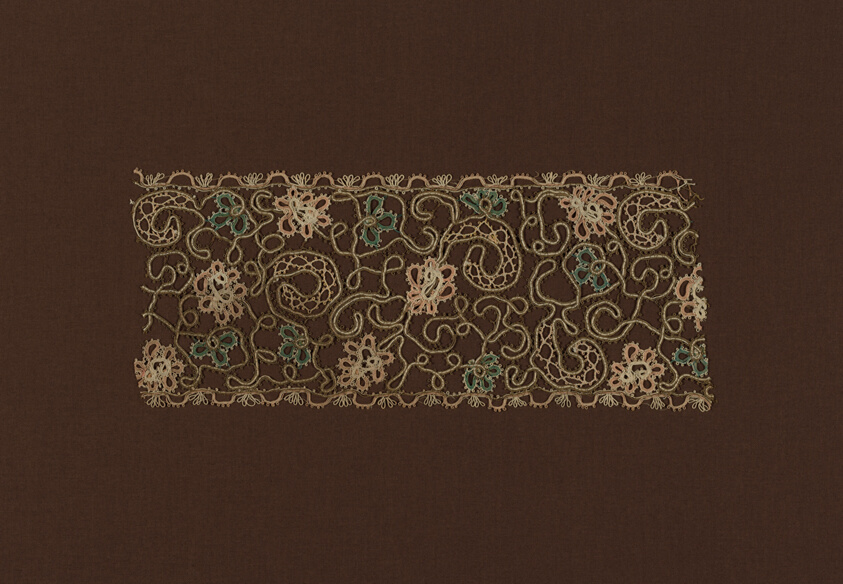
The Braid as a Testament to Silk Craftsmanship: A Study in Materiality and Fluid Elegance
Introduction: The Unseen Architecture of Luxury
In the hallowed ateliers of London’s Savile Row, where tailoring is elevated to an art form, the braid is often relegated to the periphery of design discourse. Yet, for the discerning heritage specialist, the braid—particularly when rendered in silk, silk-wrapped-hemp, and silk-wrapped-linen cords, executed through bobbin straight lace—represents a profound intersection of material science, artisanal mastery, and aesthetic fluidity. This artifact is not merely a decorative trim; it is a structural and symbolic element that embodies the quintessence of classic silk craftsmanship. At the Lauren Fashion Heritage Lab, we recognize the braid as a silent narrator of heritage, a thread that weaves together centuries of textile innovation and the enduring pursuit of elegance.
Materiality: The Tripartite Cord of Silk, Hemp, and Linen
The braid under examination is constructed from three distinct yet harmonized materials: pure silk, silk-wrapped-hemp, and silk-wrapped-linen. Each component contributes a unique character to the whole, reflecting a deliberate choice by master craftsmen to balance strength, texture, and luster.
Silk—the protagonist of this narrative—is prized for its unparalleled sheen, tensile strength, and ability to absorb dye with luminous depth. In the context of bobbin straight lace, silk provides the fluid drape and tactile softness that define luxury. However, silk alone can be prone to stretching or losing shape under tension. To mitigate this, the artisan introduces silk-wrapped-hemp and silk-wrapped-linen cords. Hemp, with its robust, fibrous core, offers structural integrity without compromising the silk’s visual supremacy. Linen, similarly, contributes a subtle crispness and breathability, ensuring the braid retains its form even when subjected to the rigors of tailoring—such as being sewn into lapels, cuffs, or the intricate closures of a bespoke jacket.
The wrapping technique itself is a testament to precision: a fine silk filament is meticulously wound around a core of hemp or linen, creating a composite cord that marries the aesthetic of silk with the resilience of natural bast fibers. This method, honed over generations, ensures that the braid does not fray or lose its integrity, even after repeated wear or dry cleaning. The result is a material that feels weightless yet substantial, a paradox that defines the best of Savile Row craftsmanship.
Technique: Bobbin Straight Lace and the Art of Precision
The braid is executed using bobbin straight lace, a technique that demands both patience and mathematical rigor. Unlike free-form lace, bobbin lace is constructed by twisting and crossing threads wound on bobbins, following a precise pattern pinned to a pillow. In this case, the “straight” variant refers to the linear, non-curvilinear structure—a deliberate choice to emphasize clarity and restraint, hallmarks of classic silk craftsmanship.
Each cord—silk, silk-wrapped-hemp, or silk-wrapped-linen—is threaded through a series of bobbins, typically made from wood or bone, and manipulated by the artisan’s hands with a rhythm akin to a weaver’s dance. The tension must be uniform; too tight, and the braid becomes rigid, losing its fluid elegance; too loose, and it lacks definition. The straight lace pattern, often a simple herringbone or chevron, allows the materiality to shine—the silk’s luster catches the light, while the wrapped cores create subtle ridges that add depth. This technique, while understated, requires years of apprenticeship to master, and it is this dedication that elevates the braid from a functional trim to a heritage artifact.
Context: Classic Silk Craftsmanship and Fluid Elegance
To understand the braid’s place within the Lauren Fashion Heritage Lab, one must situate it within the broader context of classic silk craftsmanship. Silk has been a symbol of luxury since the Silk Road, and in the hands of Savile Row artisans, it becomes a medium for expressing fluid elegance—a quality that transcends mere appearance to embody movement, grace, and timelessness.
Fluid elegance, in this context, refers to the braid’s ability to adapt to the body’s contours without sacrificing structure. When sewn along the edge of a silk gown or a tailored waistcoat, the braid follows the fabric’s drape, enhancing rather than disrupting the silhouette. The silk-wrapped-hemp and silk-wrapped-linen cords ensure that the braid holds its shape, preventing the sagging that can occur with pure silk trims. This balance between suppleness and stability is the hallmark of a masterful design—a lesson that resonates deeply in the heritage of London tailoring.
Moreover, the braid serves as a bridge between tradition and modernity. In an era where fast fashion dominates, the meticulous construction of this artifact reminds us of the value of slowness, of the hands that twisted each cord, of the hours spent perfecting a single inch of lace. It is a quiet rebellion against disposability, a statement that elegance is not a trend but a legacy.
Conclusion: The Braid as a Heritage Artifact
In the Lauren Fashion Heritage Lab, we do not view the braid as a mere accessory; we see it as a repository of knowledge. The choice of silk, silk-wrapped-hemp, and silk-wrapped-linen cords, combined with the discipline of bobbin straight lace, speaks to a philosophy of materiality that prioritizes longevity, beauty, and function. This artifact is a testament to the artisans who have preserved these techniques, often in obscurity, ensuring that the fluid elegance of classic silk craftsmanship endures.
For the scholar, the curator, or the connoisseur, this braid offers a lens through which to examine the intersection of material science and aesthetic tradition. It is a reminder that luxury is not about excess but about intention—the intention to create something that will outlast its maker, that will whisper stories of heritage to those who take the time to listen. At the Lauren Fashion Heritage Lab, we honor this intention, preserving the braid not as a relic but as a living artifact, a thread in the ever-evolving tapestry of fashion history.