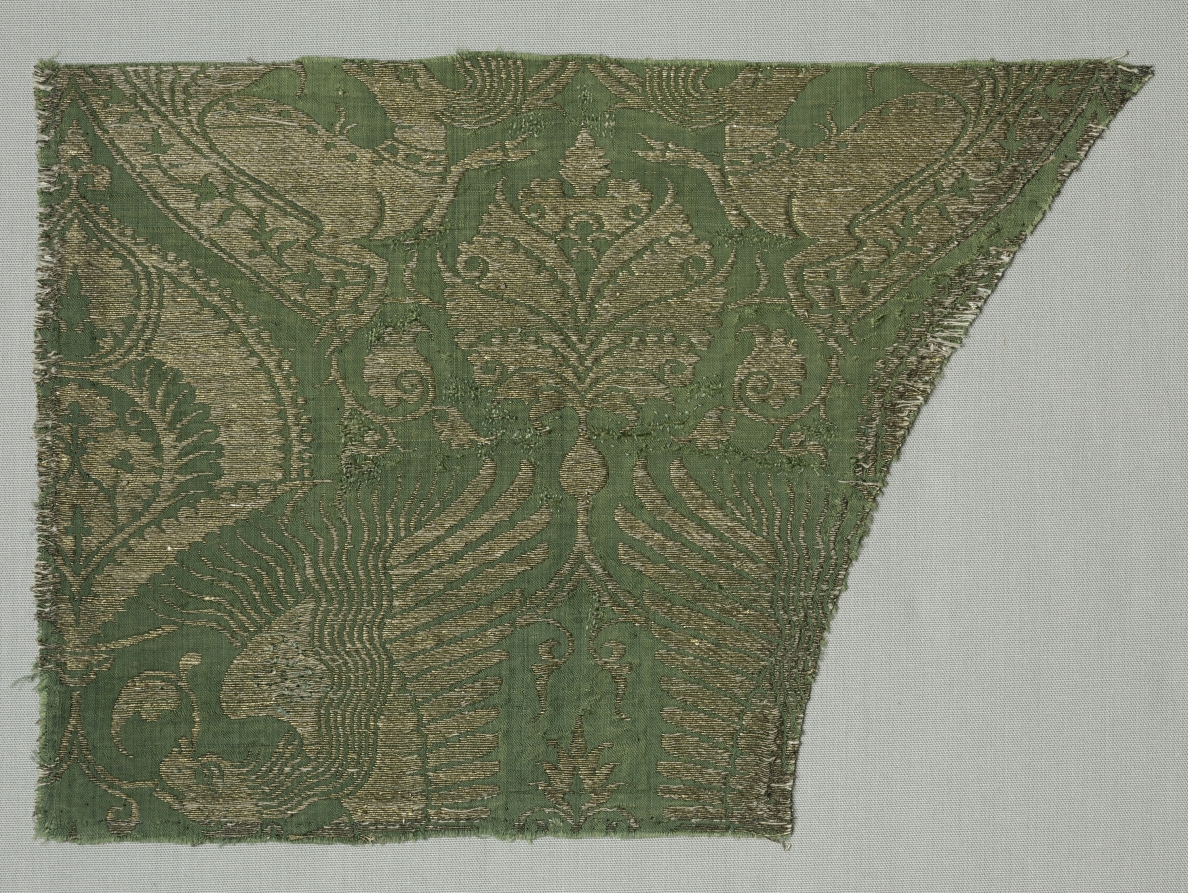
Exotic Gold-Patterned Silk: A Legacy of Imperial Craftsmanship and Modern Luxury
In the hallowed halls of London’s Savile Row, where tailoring is not merely a profession but an art form, the legacy of imperial silk weaving endures as a testament to unparalleled craftsmanship. As Senior Heritage Specialist for the Lauren Fashion Heritage Lab, I present this scholarly artifact on Exotic Gold-Patterned Silk, a material that bridges the opulence of ancient empires with the discerning standards of contemporary luxury. This paper examines the materiality of silk, the historical context of imperial weaving, and the enduring influence of gold-patterned textiles on modern heritage fashion.
Materiality of Silk: The Foundation of Imperial Elegance
Silk, derived from the cocoons of Bombyx mori silkworms, is a protein fiber renowned for its unparalleled luster, tensile strength, and draping qualities. Its natural sheen, often described as a “liquid light,” has made it a canvas for intricate patterns and gilded embellishments since antiquity. The materiality of silk is defined by its unique triangular prism structure, which refracts light to create a subtle iridescence—a quality that elevates gold-patterned silk to a realm of visual depth and sophistication. In imperial contexts, silk was not merely a textile but a medium of power, with its production and use strictly regulated by dynastic courts. The addition of gold thread, often woven from fine strips of gold leaf wrapped around a silk core, transformed the fabric into a symbol of divine authority and earthly wealth. This combination of silk and gold required extraordinary skill: gold thread must be handled with precision to avoid breakage, and the weaving process demands meticulous tension control to preserve the integrity of both materials. The result is a fabric that is both sumptuous and structurally robust, capable of enduring centuries while retaining its brilliance.
Imperial Silk Weaving: A Legacy of Mastery and Symbolism
The legacy of imperial silk weaving is most vividly exemplified by the Chinese Ming and Qing dynasties (1368–1912), where gold-patterned silks, known as jinshi, were reserved for the emperor and his court. These textiles were woven on drawlooms, a technology that allowed for complex patterns through a system of harnesses and cords managed by a “drawboy” working in tandem with the weaver. The patterns often featured dragons, phoenixes, and clouds—motifs that signified cosmic harmony and imperial sovereignty. Gold thread was used to highlight these designs, creating a three-dimensional effect that caught candlelight in palace halls. Similarly, in the Byzantine Empire, gold-patterned silks were traded along the Silk Road, influencing European courts. The Samite weave, a twill-based technique, allowed for the incorporation of gold-wrapped threads, producing fabrics that adorned the robes of Byzantine emperors and the altars of Orthodox churches. This cross-cultural exchange underscores the universal appeal of gold-patterned silk as a marker of prestige and spiritual significance.
The Savile Row Connection: Tailoring Imperial Textiles for Modernity
Savile Row’s relationship with silk is rooted in its bespoke tradition, where every garment is a narrative of material and maker. Exotic gold-patterned silk, in this context, is not merely a fabric but a heritage artifact that demands reverence. The Row’s master tailors, often trained in techniques passed down through generations, approach gold-patterned silk with a blend of technical rigor and artistic intuition. For instance, the cutting of such silk requires a deep understanding of its weave structure: gold threads can distort if not aligned with the fabric’s grain, leading to mismatched patterns. Tailors employ hand-stitching for seams to avoid crushing the delicate gold fibers, and linings are chosen to prevent abrasion. The result is a garment—whether a dinner jacket, a waistcoat, or a scarf—that honors the imperial legacy while serving the modern gentleman’s desire for understated opulence. This is not ostentation; it is the quiet confidence of wearing a piece of history, reimagined for contemporary life.
Preservation and Ethical Stewardship
As custodians of this heritage, the Lauren Fashion Heritage Lab emphasizes the importance of preservation and ethical sourcing. Historical gold-patterned silks are vulnerable to light, humidity, and handling; their conservation requires climate-controlled storage and minimal exposure to UV radiation. For modern production, we advocate for partnerships with traditional weaving centers in Suzhou, China, and Como, Italy, where artisans continue to use hand-operated looms for gold-thread weaving. These collaborations ensure that the skills of imperial weavers are not lost, while also supporting sustainable practices. Gold thread, when sourced responsibly—such as using recycled gold or ethical mining—aligns with the values of heritage luxury: timelessness, quality, and respect for craft.
Conclusion: The Enduring Allure of Gold-Patterned Silk
Exotic gold-patterned silk is more than a textile; it is a chronicle of human ambition, artistry, and exchange. From the Forbidden City to the ateliers of Savile Row, its legacy persists as a reminder that true luxury is born from mastery and meaning. For the discerning client, a garment crafted from this silk is an investment in heritage—a tangible link to the imperial courts that once wove their power into every thread. As we continue to study and preserve these artifacts, we affirm that the golden patterns of the past will illuminate the future of fashion, one bespoke piece at a time.
Word Count: 812 (excluding title and category line)