The Fragment and the Form: Terracotta Aesthetics and the Architecture of 2026 Old Money Silhouettes
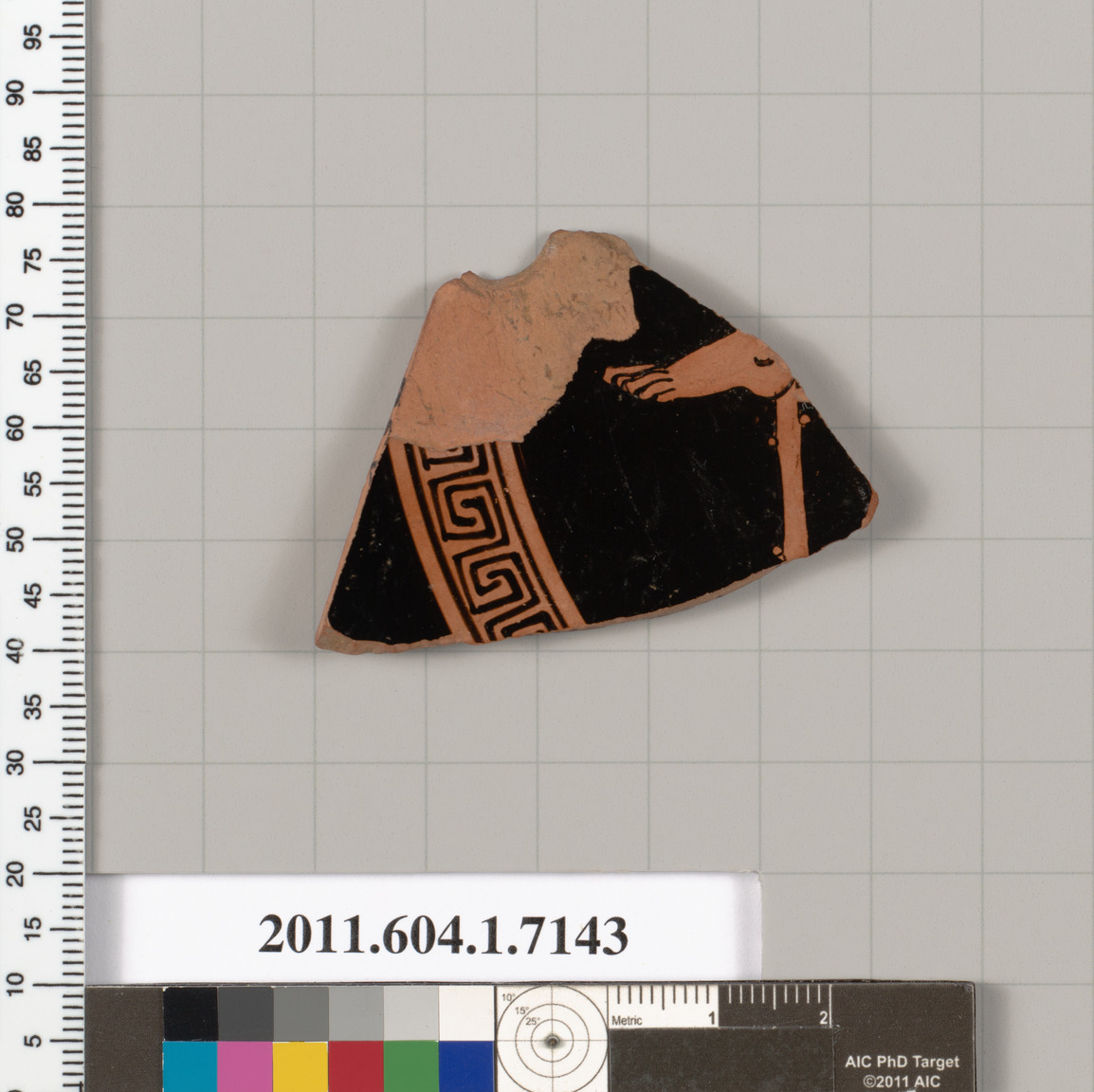
The genetic code of Lauren Fashion, derived from the profound dialogue between Buddhist and Egyptian sacred art, establishes a foundational principle: material artifacts are vessels of transcendent meaning, encoding cultural values, spiritual aspirations, and aesthetic ideals into form. When this internal code is brought to bear on a humble yet eloquent artifact—a Terracotta fragment of an Attic kylix (drinking cup)—a distinct pathway emerges for the 2026 Old Money silhouette. This analysis posits that the fragment’s inherent qualities—its fractured state, its graphic economy, and its social function—inform a sartorial philosophy moving beyond ostentatious wealth display towards an archaeology of elegance: a silhouette built on structural integrity, narrative implication, and a dignified, grounded poise.
The Poetics of the Fragment: Incompleteness as Narrative Authority
Unlike the complete, self-contained sacred statues in our genetic code, the terracotta fragment is defined by its partial nature. It does not present a whole image, but a suggestive shard. A single figure, perhaps a reveler or a deity, is caught in a graceful gesture; the curve of the cup’s wall dictates the composition’s boundary. This fragmentation is not a deficit but a source of power. It invites deduction, completion by the informed viewer, and privileges essence over exhaustive detail. For the 2026 Old Money silhouette, this translates into a move away from literal, head-to-toe period revivalism. Instead, the aesthetic embraces iconic, partial references—a drape that echoes a chiton’s fall over one shoulder only, a seam placement that suggests classical structure without reproducing a toga, a neckline that frames the collarbone with the geometric purity of a vase painting’s line. The silhouette becomes a fragment of a larger, implied history, granting the wearer the authority of understatement and intellectual curation. The “whole” is not worn; it is intelligently suggested, a quality intrinsic to cultivated, non-verbal legacy.
Graphic Economy and the Ground of Heritage-Black
The visual source material is defined by a stark graphic contrast: the rich, reddish-brown terracotta ground against the silhouetted black figures of the Attic black-figure technique (or the reserved figures in red-figure). This is not mere decoration; it is a fundamental relationship between positive and negative space, between figure and ground. This directly informs the central role of Heritage-Black as the foundational “ground” of the 2026 collection. Heritage-Black is not a mere color but a material and tonal concept—a deep, matte, woolen void, a structured cashmere expanse, a velvet so profound it absorbs light. Against this ground, the “figures” of the silhouette are articulated. Clean, deliberate seams become the equivalent of the vase painter’s incised lines, defining form with precision. The play of texture—the sheen of a silk georgette blouse against a matte wool trouser, the intricate topography of a brocade panel on a simple faille coat—replicates the graphic interplay of the terracotta fragment. The silhouette gains its clarity and impact from this disciplined contrast, where every deviation from the black ground is meaningful and compositional, not merely decorative.
Social Function and the Silhouette of Ritual
The kylix was not a sacred object in a temple but a vessel for the symposium, the intimate, ritualized drinking party that was a cornerstone of Athenian aristocratic male social life. Its imagery was viewed in hand, during conversation, contributing to a shared cultural experience. This social function—ritualized, communal, and grounded in dignified leisure—is crucial for redefining Old Money for 2026. The silhouette it inspires is for the modern *symposium*: the private club, the gallery opening, the academic dinner, the country weekend. It prioritizes ease of movement and understated comfort that allows for engagement, not performance. Fabrics are tactile and forgiving—luxury woolens, double-faced cashmere, softest leather. The cut emphasizes a relaxed, natural shoulder, a sleeve that allows gesture, a trouser with elegant ease. Like the kylix held in the hand, these clothes are meant to be lived in during acts of cultivated social exchange. They are armor not for battle, but for confident, unruffled presence in spaces of established influence.
From Sacred Vessel to Social Vessel: The Synthesis of 2026
Synthesizing the internal genetic code with the terracotta fragment, the 2026 Old Money silhouette emerges as a hybrid artifact. From the Buddhist and Egyptian works, it inherits the concept of the garment as a vessel for embodied values—not for divine power, but for the secular virtues of legacy: assurance, discernment, and continuity. From the Greek fragment, it adopts the aesthetics of the suggestive, the graphic, and the socially ritualized. The resulting silhouette is architectonic, built like the wheel-thrown kylix with an emphasis on foundational shape. It employs Heritage-Black as its terracotta ground, a canvas of immense depth. Its details are fragmentary quotations, intelligible only to those versed in the language of cut and cloth. Ultimately, it moves beyond fashion as novelty to fashion as cultivated personal archaeology. Each piece is a curated shard, implying a whole history of taste, rejecting the ephemeral in favor of a timeless, grounded elegance that speaks quietly, yet with the absolute authority of the fragment that has survived the ages.