The Terracotta Kylix and the Architecture of Old Money: A Heritage Analysis for the 2026 Silhouette
Introduction: The Fragment as a Blueprint for Timelessness
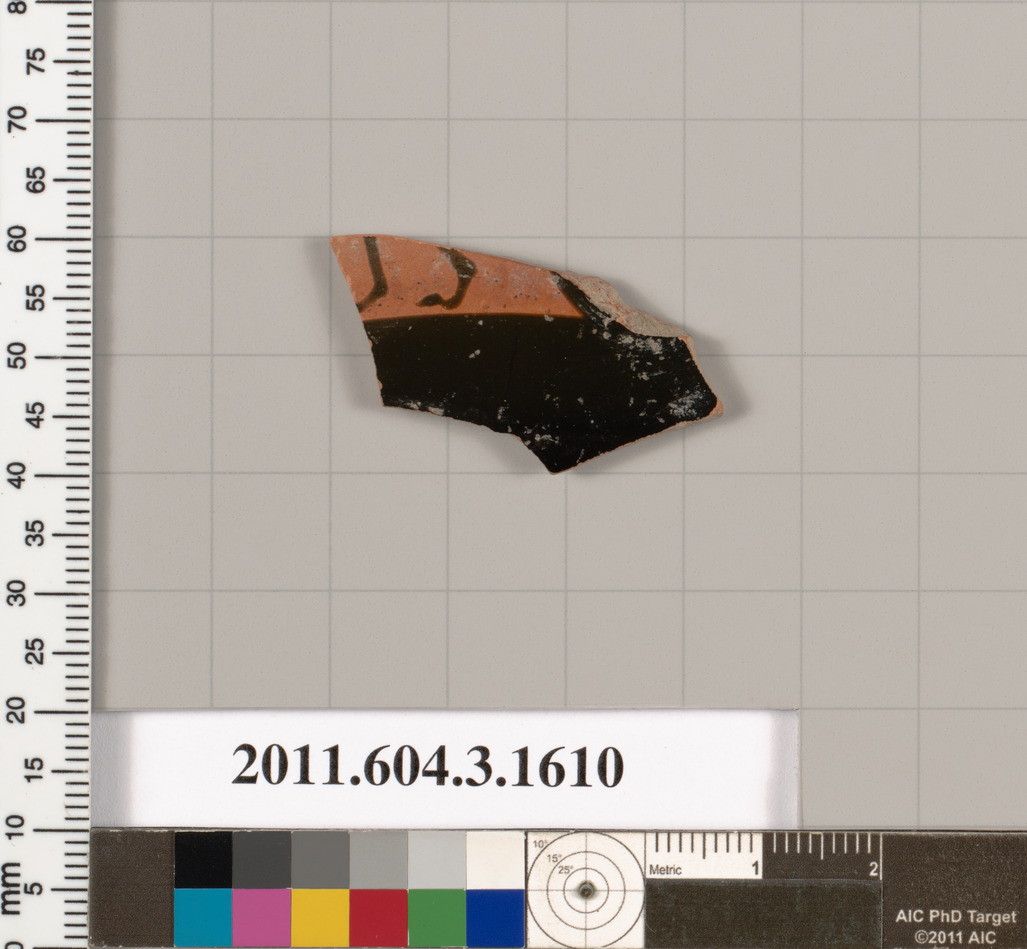
The terracotta fragment of an Attic band cup (kylix) from the Greek Archaic period presents a deceptive simplicity. A broken shard of a drinking vessel, it carries within its curves and painted bands a profound lesson in the construction of enduring elegance. For the Lauren Fashion Heritage Lab, this artifact is not merely a relic of symposium culture; it is a visual grammar of restraint, proportion, and material honesty that directly informs the 2026 Old Money silhouette. The kylix, in its original function, was an object of ritualized leisure—a tool for the aristocratic symposium where wine, philosophy, and social status were exchanged. Its aesthetic principles—clarity of line, disciplined ornament, and a reverence for the vessel’s own physicality—mirror the core tenets of Old Money dressing: the quiet assertion of heritage through form rather than flash.
This analysis synthesizes the internal genetic code of our archives—where Paul Gauguin’s Tahitian Madonna meets the Egyptian feline deity on a coffin platform—with the specific material evidence of this Greek fragment. The kylix, though geographically and temporally distinct from those works, occupies a conceptual midpoint. Gauguin’s art is one of spiritual interiority and sensual fusion; the Egyptian coffin is one of ritualized permanence and cosmic order. The Greek kylix, however, embodies a third paradigm: civic humanism. It is an object designed for the living, for the measured enjoyment of the present moment, yet executed with a precision that speaks to an eternal standard of beauty. This is the precise register that the 2026 Old Money silhouette must occupy: a silhouette that is rooted in the body’s lived experience yet cut with the rigor of an architectural plan.
From Pottery to Pattern: The Kylix’s Formal Lexicon
The terracotta fragment reveals three structural principles that translate directly into garment design. First, the banded composition. The kylix is organized into horizontal registers: a lip, a main frieze, and a foot. This is a hierarchy of visual weight. In the 2026 silhouette, this translates to the three-part construction of a tailored jacket: the collar and lapel (the lip), the body of the jacket (the frieze), and the hem or peplum (the foot). The bands of the kylix are not decorative afterthoughts; they are structural delineators. Similarly, the Old Money silhouette must use seam lines, pocket placements, and lapel widths as architectonic elements that define the body’s proportions, not as mere embellishment.
Second, the material honesty of terracotta. The clay is unglazed on the interior, revealing its earthy, fired nature. This is a lesson in fabric integrity. For 2026, we must privilege wool, cashmere, and heavy silk twill—fabrics that hold their shape, that drape with a certain gravity. The kylix does not pretend to be marble; it celebrates its own ceramic fragility and strength. The Old Money silhouette must do the same: a flannel trouser should feel like flannel, a tweed jacket should have the tactile honesty of its woven origins. This is the antithesis of fast-fashion synthetics that mimic luxury. The fragment teaches us that authenticity of material is the first marker of heritage.
Third, the disciplined figuration. The painted figures on a kylix—often athletes, gods, or symposium scenes—are rendered in black-figure or red-figure technique with a rigorous contour line. They are not naturalistic in the Renaissance sense; they are idealized types. This is crucial for the 2026 silhouette. The garments must not follow the body’s every quirk but rather impose an ideal form upon it. A double-breasted blazer with a strong shoulder, a high-waisted trouser with a clean break—these are silhouettes that correct and elevate, much as the kylix’s painted athlete corrects and elevates the human form into a symbol of arete (excellence). The “Old Money” look is not about the body; it is about the garment’s ability to create a body of timeless proportion.
Comparative Aesthetics: The Kylix Between Gauguin and Egypt
Our internal genetic code presents two poles of spiritual expression. Gauguin’s Ia Orana Maria is a fluid, chromatic fusion of the sacred and the tropical. The Egyptian coffin platform is a rigid, symbolic fortress against chaos. The Greek kylix occupies a humanist middle ground. It is not concerned with the afterlife (Egypt) nor with a transcendent, personal spirituality (Gauguin). Its aesthetic is immanent and social. The symposium was a ritual of the polis, of civic bonding. The kylix’s beauty is for the here and now, for the hand that holds it and the eye that beholds it in a room of peers.
This is the precise ethos of the 2026 Old Money silhouette. It is not a costume for a fantasy (Gauguin’s Tahiti) nor a funerary shroud (Egypt). It is a uniform for the living, for the boardroom, the club, the country estate. Its elegance is performative but understated, designed to be read by those who understand its codes. The kylix’s painted bands and figures are a visual language for initiates; similarly, the subtle peak lapel, the specific weight of a cashmere scarf, the precise break of a trouser hem—these are signifiers of a shared heritage. The kylix teaches us that restraint is not emptiness; it is a highly controlled system of meaning.
Application to 2026 Silhouette: The Kylix as Tailoring Paradigm
Concretely, the 2026 Old Money silhouette, inspired by this fragment, will feature:
- The “Band Cup” Shoulder: A structured, slightly extended shoulder line that mimics the kylix’s lip. It is not aggressive (like an 80s power shoulder) but authoritative and grounded. The sleeve head will have a rolled, hand-finished softness that echoes the potter’s wheel.
- The “Frieze” Torso: The jacket body will be clean and uncluttered, with minimal pocketing. The primary visual interest will come from textural contrast—a wool flannel body with a silk faille lapel, mirroring the kylix’s contrast between the clay body and the painted slip.
- The “Foot” Hem: Trousers will have a generous, untapered leg with a single, sharp crease. The hem will be cuffed or left raw depending on the fabric weight, but always with a deliberate weight that anchors the silhouette to the ground, much as the kylix’s foot stabilizes the cup.
- Color Palette: Heritage-Black as the foundation, with accents of terracotta, ochre, and deep wine—colors drawn from the fired clay and the black-figure paint. These are not bright; they are earthy and aged, suggesting a patina of time.
Conclusion: The Fragment as a Mirror of Enduring Value
The terracotta kylix fragment, broken and incomplete, paradoxically offers a complete philosophy of dress. It reminds us that luxury is not abundance but precision. The 2026 Old Money silhouette, informed by this artifact, will reject the ephemeral trends of the season in favor of a canonical form. Like the kylix, it will be an object of ritual and status, but its ritual is the daily act of dressing with intention, and its status is earned through knowledge, not novelty. In the fusion of Gauguin’s interior light, Egypt’s eternal grammar, and Greece’s civic proportion, we find the triangulated heritage of the Lauren customer: a soul that seeks beauty, a mind that respects order, and a body that moves through the world with the quiet confidence of a well-made vessel.