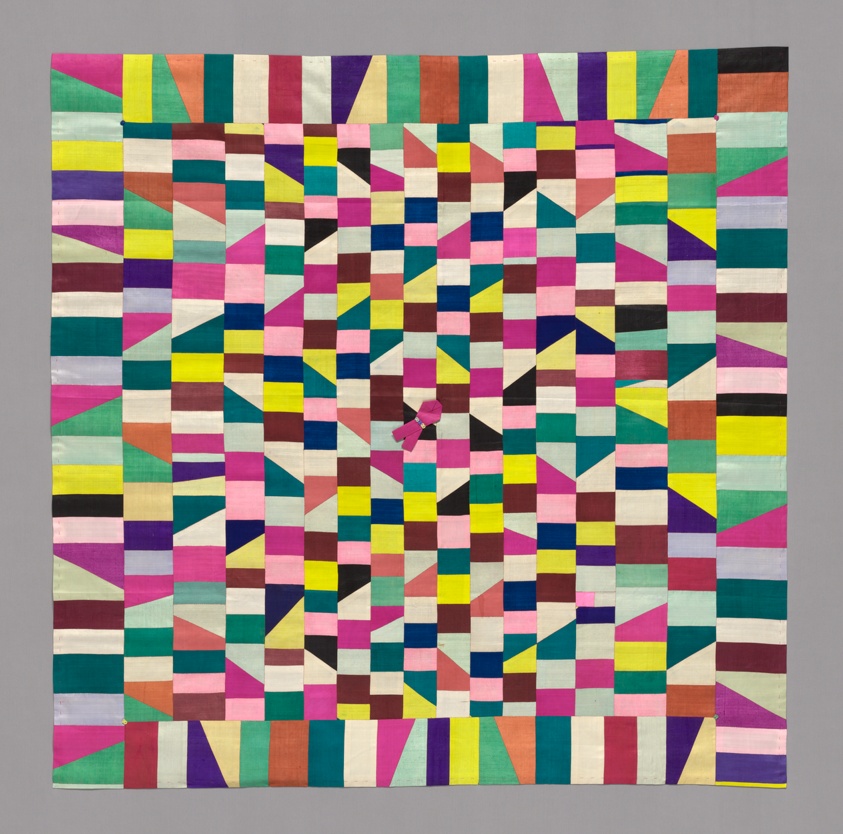
Heritage Research Artifact: The Pojagi Wrapping Cloth – A Study in Silk Craftsmanship and Fluid Elegance
Introduction: The Art of the Wrapping Cloth
The Pojagi, a traditional Korean wrapping cloth, transcends its utilitarian origins to embody a profound heritage of textile artistry. Within the context of classic silk craftsmanship, the Pojagi represents a masterclass in materiality, precision, and understated elegance. This artifact, rendered in silk, plain weave, with meticulous piecing and the addition of attached ribbon and cord, offers a compelling study in how form, function, and aesthetic refinement converge. For the discerning connoisseur of heritage textiles, the Pojagi is not merely a cloth; it is a statement of cultural sophistication, akin to the bespoke tailoring traditions of London’s Savile Row, where every stitch and seam tells a story of lineage and luxury.
Materiality: The Foundation of Silk Craftsmanship
The choice of silk as the primary material is deliberate and significant. Silk, revered for its natural luster, drape, and strength, has been a hallmark of luxury textiles for millennia. In the Pojagi, the plain weave structure—the simplest and most fundamental of weaves—serves as a canvas for the fabric’s intrinsic beauty. Unlike more complex weaves that might obscure the silk’s natural sheen, the plain weave allows the light to play across the surface, revealing subtle variations in color and texture. This approach mirrors the Savile Row philosophy of letting exceptional materials speak for themselves, where a fine worsted wool or silk twill is chosen for its inherent qualities rather than overt embellishment.
The plain weave also provides structural integrity, essential for a wrapping cloth that must bear the weight of its contents while maintaining a fluid, graceful fall. The silk’s tensile strength ensures durability, while its suppleness allows the cloth to conform to the shapes it envelops. This duality—strength and softness—is a hallmark of classic silk craftsmanship, where the material is both resilient and ethereal. In the context of the Pojagi, this balance is critical: the cloth must protect its contents without compromising elegance.
Construction: The Art of Piecing
The piecing technique employed in this Pojagi is a testament to the artisan’s skill and aesthetic sensibility. Unlike a single piece of silk, which might be used for a simpler cloth, the pieced construction involves joining multiple panels of silk, often in contrasting or complementary colors. This method is not merely functional—allowing the use of smaller remnants or creating a larger surface—but also decorative. The seams, meticulously aligned and stitched, become design elements in their own right, creating a grid-like pattern that adds visual interest and structure.
In the spirit of Savile Row tailoring, where pattern matching and seam alignment are paramount, the piecing of a Pojagi requires precision and an eye for proportion. The artisan must consider the grain of the silk, the direction of the weave, and the interplay of colors. The result is a cloth that is both cohesive and dynamic, with each panel contributing to a harmonious whole. This approach echoes the bespoke tradition of using multiple fabrics or patterns to create a garment that is uniquely personal, yet timeless in its execution.
Adornment: The Role of Ribbon and Cord
The addition of attached ribbon and cord elevates the Pojagi from a simple wrapping cloth to a refined accessory. The ribbon, often made of silk or a complementary material, is sewn along the edges or used to create ties, while the cord provides a means of securing the bundle. These elements are not merely functional; they are integral to the cloth’s aesthetic identity. The ribbon adds a touch of color or contrast, framing the pieced panels and drawing the eye to the edges. The cord, often braided or twisted, introduces a tactile dimension, inviting the user to engage with the cloth’s texture.
This attention to detail is reminiscent of the finishing touches on a Savile Row suit—the hand-stitched buttonholes, the silk lining, the subtle pocket square. In both contexts, these elements are markers of quality and care. The ribbon and cord on a Pojagi serve as a signature of the artisan’s hand, a reminder that this object is not mass-produced but crafted with intention. The choice of colors and materials for these adornments further reflects the wearer’s or owner’s taste, much like the selection of a tie or scarf in a gentleman’s wardrobe.
Context: Classic Silk Craftsmanship and Fluid Elegance
The Pojagi’s place within the broader tradition of classic silk craftsmanship is rooted in its ability to embody fluid elegance. Silk, by its nature, is a fabric that moves with grace; it drapes, folds, and flows in ways that other materials cannot replicate. The Pojagi harnesses this quality, creating a cloth that is both functional and sculptural. When used to wrap a gift or ceremonial object, the cloth becomes an extension of the gesture, its folds and ties adding a layer of meaning and beauty.
This fluidity is also a metaphor for the cultural significance of the Pojagi. In Korean tradition, the wrapping cloth is used in daily life, from carrying goods to presenting gifts, and its design often reflects the owner’s status and taste. The use of silk, with its connotations of luxury and refinement, elevates the cloth to an object of art. The piecing and adornment further enhance this status, making the Pojagi a symbol of craftsmanship and cultural heritage.
From a Savile Row perspective, the Pojagi’s fluid elegance aligns with the principles of bespoke tailoring, where a garment is designed to move with the wearer, not against them. The cloth’s ability to adapt to its contents—whether a small box or a bundle of clothing—mirrors the way a well-cut suit accommodates the body’s movements. Both are exercises in harmony between material and purpose, where the final result is a seamless integration of form and function.
Conclusion: A Legacy of Craftsmanship
In conclusion, the Pojagi wrapping cloth, with its silk, plain weave, pieced construction, and attached ribbon and cord, is a heritage artifact of remarkable depth. It represents the pinnacle of classic silk craftsmanship, where materiality and technique converge to create an object of fluid elegance. For the heritage specialist, the Pojagi offers a window into a tradition that values precision, beauty, and utility in equal measure. Its legacy, much like that of Savile Row tailoring, is one of enduring relevance—a testament to the power of handmade objects to transcend time and culture.
As we preserve and study such artifacts, we honor the artisans who wove, pieced, and adorned these cloths, and we continue a dialogue between past and present that enriches our understanding of luxury, craftsmanship, and the art of living well.