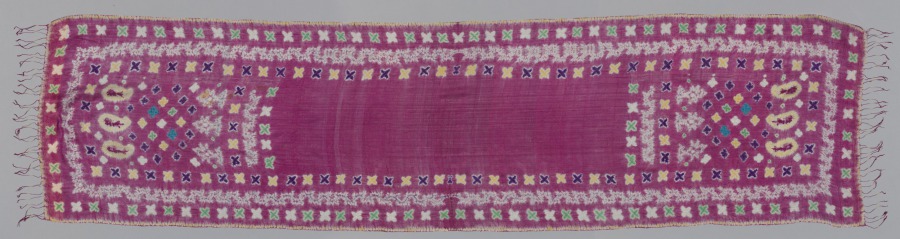
The Silk Veil: A Study in Materiality and Imperial Legacy
Introduction: The Veil as a Testament to Craft
In the hushed corridors of Lauren Fashion Heritage Lab, where the whisper of silk against archival paper is the only sound, the silk veil emerges not merely as an accessory, but as a profound artifact of cultural and industrial heritage. This paper examines the silk veil through the lens of materiality, tracing its lineage from the imperial silk weaving traditions of the East to its refined presence in the modern wardrobe. Drawing upon the exacting standards of London’s Savile Row—where precision, provenance, and permanence are paramount—we dissect the veil’s construction, its historical weight, and its enduring relevance. The silk veil is not a transient object; it is a document of human ingenuity, a relic of empires, and a canvas for the most delicate of arts.
The Materiality of Silk: A Foundation of Luxury
Silk is the foundation upon which this artifact rests. Its materiality is defined by a unique molecular structure: a continuous filament of fibroin protein, spun by the Bombyx mori silkworm, which yields a fiber of unparalleled tensile strength, luster, and drape. For the Savile Row tailor, silk is a material that demands respect—it does not forgive haste. Its smooth surface resists abrasion, yet its delicate weave requires the lightest touch. In the context of the veil, this materiality becomes a narrative. The weight of the silk—measured in momme (mm)—determines its opacity and fluidity. A 12mm silk chiffon veil floats like a breath, while a 19mm charmeuse veil carries a liquid weight that speaks of opulence. The weave itself—whether a plain weave for a crepe de chine or a satin weave for a lustrous finish—dictates how light interacts with the fabric. The imperial weavers of China and later the Ottoman Empire understood this intimately. They manipulated silk’s natural sheen to create veils that were not just coverings, but instruments of light and shadow, designed to reveal and conceal with equal artistry.
Imperial Silk Weaving: The Legacy of Power and Patronage
The legacy of imperial silk weaving is inseparable from the silk veil’s identity. In the Forbidden City of the Ming and Qing dynasties, silk was a currency of power. The imperial workshops, known as the Jiangnan Silk Bureau, produced textiles that were strictly regulated—patterns, colors, and motifs were reserved for the emperor and his court. The silk veil, often worn by noblewomen as a mian sha (face veil) or as a ceremonial headdress, was a symbol of status and virtue. Its materiality was a direct reflection of imperial patronage. The finest silks, dyed with cochineal red or indigo blue, were woven on drawlooms that required two artisans to operate—one to manipulate the warp threads, another to pass the weft. The resulting fabric was a testament to hierarchical order, where every thread was a thread of authority. This legacy traveled westward along the Silk Road, influencing Byzantine and later Venetian textile traditions. In the 17th century, the French royal manufactories at Lyon adopted these techniques, producing silks for the court of Louis XIV that rivaled their Eastern predecessors. The silk veil, in this context, became a diplomatic tool—a gift of state, a symbol of alliance, and a marker of cultural exchange. The Savile Row sensibility, with its reverence for bespoke craftsmanship, echoes this imperial tradition. Each veil, whether commissioned by a queen or a modern connoisseur, carries the weight of that history.
Construction and Craft: The Savile Row Approach
To understand the silk veil as a heritage artifact, one must examine its construction with the forensic eye of a Savile Row cutter. The process begins with the selection of the silk fabric. The master weaver, often trained in the traditions of Como or Kyoto, must consider the veil’s intended use—is it for a wedding, a mourning ritual, or a theatrical performance? The cut is deceptively simple: a rectangular or square panel, often finished with a hand-rolled hem. This hem, a hallmark of quality, requires a needle and silk thread of the same weight as the fabric. The artisan rolls the edge between thumb and forefinger, stitching every millimeter with a slip stitch that is invisible from the right side. The tension must be exact—too tight, and the veil puckers; too loose, and it frays. For a veil with embroidery, the work is even more demanding. The imperial tradition of suzhou embroidery, where silk threads are split into strands as fine as a human hair, is applied to the veil’s surface. Motifs of dragons, phoenixes, or floral scrolls are stitched using techniques that have been passed down through generations. The Savile Row ethos insists on provenance: the silk must be traceable to its origin, the embroidery to its artisan. This is not mere nostalgia; it is a commitment to preserving a craft that is at risk of extinction. The silk veil, therefore, is not a mass-produced commodity but a bespoke object, imbued with the labor and knowledge of its makers.
Cultural Significance: The Veil as a Narrative Device
Beyond its materiality, the silk veil functions as a narrative device across cultures. In the imperial courts of China, the veil was a marker of modesty and mystery. The mian sha obscured the face of the bride, symbolizing her transition from daughter to wife, while the sheer silk allowed glimpses of her beauty—a controlled revelation. In the Ottoman Empire, the yashmak was a layered veil of silk and cotton, its opacity signaling social rank. The wealthiest women wore silk veils embroidered with gold thread, their materiality a direct statement of their husband’s status. In Victorian England, the mourning veil of black silk crepe was a rigid symbol of grief, its weight and texture reflecting the social expectations of widowhood. Each of these contexts reveals how the silk veil is not a static object but a dynamic participant in social rituals. The Savile Row perspective respects this multiplicity. A veil designed for a modern bride might incorporate a Chinese dragon motif alongside a Western train, acknowledging the globalized heritage of silk. The materiality remains constant, but the narrative shifts. This is the genius of the silk veil: it is a blank canvas for cultural storytelling, yet its foundation—the silk itself—is immutable.
Preservation and the Future: The Role of the Heritage Lab
At Lauren Fashion Heritage Lab, our mission is to preserve the silk veil as a living artifact. This requires more than archival storage; it demands active research into sustainable silk production, digital documentation of weaving techniques, and collaboration with contemporary artisans. The legacy of imperial silk weaving is under threat from synthetic alternatives and fast fashion. Yet, the silk veil endures because its materiality offers something that synthetics cannot: a connection to history. We are cataloging veils from the 18th century to the present, analyzing their dyes, weaves, and provenance. We are also commissioning new veils from master weavers in Suzhou and Como, ensuring that the knowledge of imperial silk weaving is not lost. The Savile Row principle of “made to measure” applies here: each veil is a bespoke response to its time, yet it carries the weight of centuries. The future of the silk veil lies in its ability to adapt—to become a symbol of sustainability, of cultural dialogue, and of enduring beauty. As we handle these delicate fibers, we are reminded that heritage is not a relic; it is a responsibility.
Conclusion: The Veil as a Thread of Continuity
The silk veil, in its materiality and legacy, is a thread of continuity that connects the imperial workshops of the East to the ateliers of Savile Row. It is a document of power, a testament to craft, and a vessel for cultural memory. To study it is to understand the interplay between material and meaning, between the hands that wove it and the hands that wear it. In the quiet of the Heritage Lab, where the light filters through a veil of 19mm charmeuse, we are reminded that the finest things in life are not made quickly. They are spun, thread by thread, from the silk of history itself.