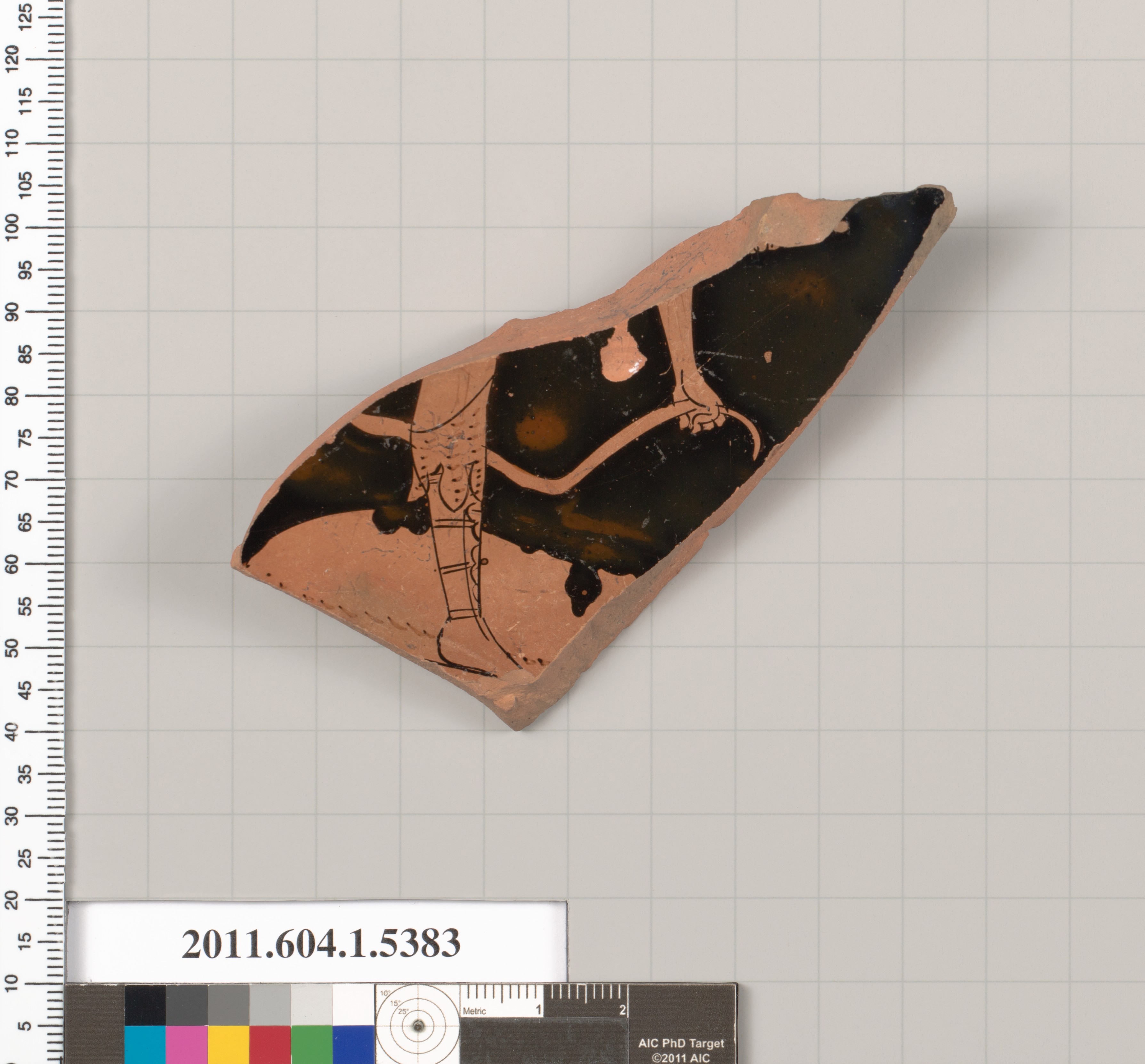
The Kylix as Proto-Silhouette: Architecture for the Body Social
The Attic kylix was not a passive container but an active instrument of symposium culture—the ritualized drinking party that was the epicenter of Athenian political, philosophical, and social discourse. Its form is a masterclass in considered design: a wide, shallow bowl with two horizontal handles and a slender stem, culminating in a foot. This architecture is directly analogous to the aspirational 2026 Old Money silhouette. The wide, gently sloping bowl mirrors the relaxed yet structured shoulder and chest of a tailored jacket or a soft-shouldered coat—a vessel of authority, not armor. The slender stem translates to a clean, uncluttered torso line, a rejection of overt constriction in favor of intelligent drape. The foot provides grounding, akin to the precise, deliberate choice of footwear that completes a look with understated assurance. The kylix’s form, therefore, provides a blueprint: a silhouette that is open, inviting conversation (the wide bowl), yet elevated and distinguished (the stem), built on a foundation of inherent stability.
More critically, the kylix’s terracotta material—fired clay—informs our 2026 material philosophy. It is humble in origin yet transformed by fire and artistry into an object of cultural sophistication. This mirrors the Lauren ethos of “Heritage-Black,” not as a mere color, but as a material intelligence. It suggests fabrics that are fundamentally noble yet unpretentious: finely spun wools that age with grace, triple-ply cashmeres with a matte depth, heavy silks with a substantial hand. Like terracotta, these materials gain patina; they bear the gentle marks of use, becoming archives of a lived life. The 2026 silhouette, informed by the kylix, rejects the sterile sheen of newness in favor of the resonant depth of the used and cherished.
The Fragment and the Aesthetic of the Unfinished Statement
The artifact’s state as a fragment is of paramount hermeneutic importance. It does not present a complete, didactic image but invites reconstruction, intellectual engagement, and a touch of melancholic beauty. This directly challenges the contemporary obsession with overt, finished narratives in fashion. The 2026 Old Money silhouette, as decoded through this fragment, embraces a philosophy of the “unfinished statement.” This manifests in deconstructed tailoring where a jacket’s inner structure is subtly revealed at the seams, in a hemline left deliberately raw but perfectly measured, or in a cashmere wrap coat that drapes with an air of casual mastery, as if just thrown on. The wearer completes the narrative. This is the sartorial equivalent of the kylix fragment: it suggests a deeper, unbroken lineage (the original symposium) while asserting its own present, authentic reality. It speaks of a confidence so inherent that it can afford to be implicit, to be a fragment that implies the whole.
Symposium to Salon: Ritualized Ease as Performance
The kylix’s primary function was to facilitate the ritual of the symposium, a performance of community, intellect, and controlled pleasure. The 2026 silhouette must facilitate its own modern rituals: the boardroom meeting, the gallery opening, the private dinner. Informed by the kylix, these clothes perform “ritualized ease.” Imagine a Heritage-Black wool blazer with the soft, rounded quarters of a kylix bowl, worn over a shell of raw silk—this is attire for conversation, for leaning in, for the gestural language of discourse. The silhouette allows for movement, for the graceful use of the hands (echoing the handling of the cup), for a physical comfort that enables intellectual and social fluency. It rejects the rigid, confrontational power suit in favor of the persuasive, inviting authority of the symposiast. The palette, drawn from the terracotta fragment and its likely lost painted scenes, leans into earthy oxides, deep blacks, and the occasional startling flash of a red-figured detail—a scarlet lining, a discreet embroidered motif—hinting at the private wit and passion beneath a composed exterior.
Ultimately, the terracotta kylix fragment bridges the aesthetic poles of our internal genetic code. It possesses the “有限中的无限” (the infinite within the finite) of the Delft bowl: a simple cup containing an entire world of social and philosophical ritual. Simultaneously, it engages in the symbolic projection of the Saint Anthony painting, as its painted scenes (now lost on our fragment) would have narrated myths, prompting dialogue and moral contemplation. The 2026 Old Money silhouette, therefore, is not a retrograde imitation of the past but an excavation of its deepest principles. It is a silhouette of architectural ease, fragmentary intelligence, and ritualized performance. It answers the core Lauren question—how to安顿身心 (settle body and mind) in a fragmented world—by offering not armor, but a vessel: clothes that are, like the kylix, designed for the dignified, thoughtful, and deeply human ritual of being in the world.