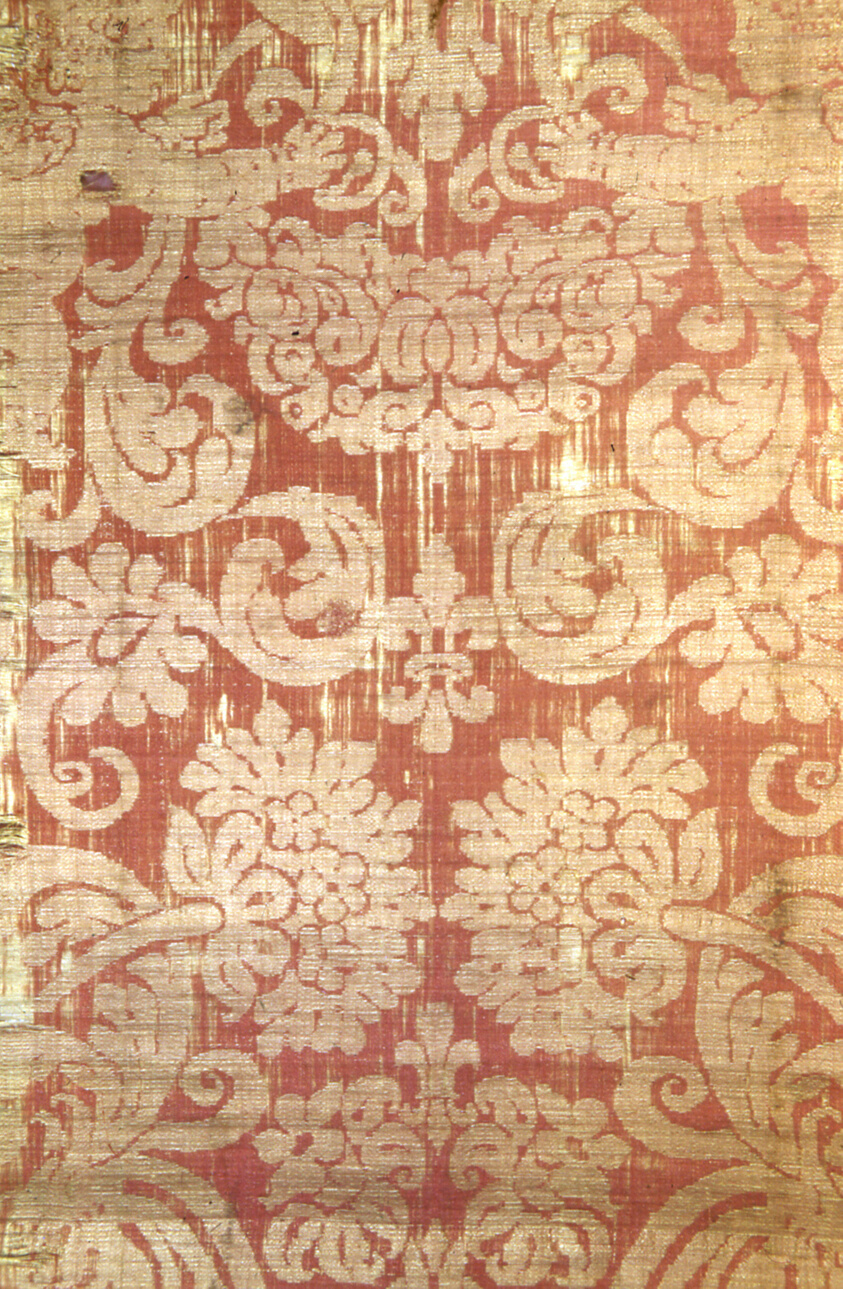
An Examination of the Panel: The Satin Damask Weave as the Apotheosis of Tailored Fluidity
To comprehend the panel—that fundamental, architectonic unit from which sartorial ambition is realised—one must first appreciate the substance from which it is cut. Here, we are concerned not with mere cloth, but with a specific and noble articulation of silk: the four-to-one satin damask weave. This is not a textile chosen lightly; it is a deliberate selection from the canon of classic silk craftsmanship, representing a dialogue between structural integrity and a particular, fluid elegance. Its deployment in the formation of a panel is the critical first act in a bespoke narrative, a decision that predicates all which follows.
The Grammar of Weave: A Structural Analysis
The term ‘satin damask’ denotes a fabric of dual character, a textile of profound depth. The satin weave foundation—here, in its 4:1 ratio—is the essential mechanism of its sensuality. In this structure, a single weft thread passes over four warp threads before passing under one. This extended ‘float’ creates a minimal interruption on the fabric surface, allowing for maximum, unobstructed light reflection. The result is that signature, luminous gloss, a deep, liquid sheen that appears to emanate from within the cloth itself. It is this inherent luminosity that provides the ‘fluid elegance’ so often ascribed to fine silks, a visual softness that belies the material’s strength.
However, damask elevates this foundation into the realm of the pictorial. Through a sophisticated reversal of the weave pattern, a motif—be it floral, geometric, or abstract—is rendered visible. The pattern is not printed or embroidered upon the surface; it is woven into the very soul of the cloth. In a true damask, the design is discernible not by colour change, but by a subtle shift in light reflection: the pattern areas, woven in a contrasting weave (often a matt warp-faced weave), catch the light differently from the glossy satin ground. This creates a tone-on-tone narrative of remarkable sophistication, a whispered rather than shouted ornamentation. The integrity of the panel is thus assured; its decoration is structural, not applied, ensuring no stiffening or compromise of the fabric’s drape.
The Panel as Canvas: Materiality Informing Architecture
When this specific silk is laid upon the cutting table and marked for a panel—a sleeve forepart, a trouser leg, a coat side—its material properties dictate a unique set of sartorial principles. The cutter’s hand must be guided by an understanding of the cloth’s behaviour. The drape and fall of a 4:1 satin damask are exceptional. Its weight, derived from the density of the silk filaments and the tightness of the weave, grants it a deliberate, graceful descent. It does not cling, nor does it stand away from the form; it follows the body’s contours with a respectful, flowing ease, creating a silhouette that is defined yet soft.
This fluidity demands a corresponding precision in cutting and construction. The panel’s edges, its seams, and its junctions become all the more critical. A misaligned seam or a puckered join will be cruelly highlighted by the fabric’s smooth, reflective surface. The internal architecture of the garment—the canvas interfacings, the haircloth, the pad-stitching—must be engineered to support without suppressing. The aim is to provide a discreet armature that allows the silk panel to perform its natural elegance, not to fight against it. The shoulder of a jacket, the roll of a lapel, the break of a trouser leg over a shoe: each of these is a point where the inherent character of the satin damask panel is either successfully harnessed or regrettably lost.
Context and Consequence: The Heritage of Worn Elegance
The heritage of such a panel resides in its lineage of use. This is not the silk of flamboyant dressing gowns or theatrical cravats alone. Its context is one of confident, understated luxury. In a bespoke setting, a panel of this cloth speaks to a patron who understands nuance. The damask pattern, visible only upon closer inspection, signifies a privacy of taste—a refinement meant for the wearer and the discerning observer, not the crowd. It is the ideal cloth for the evening tailcoat that must hold a sharp line under candlelight while revealing a sublime texture in the quiet of a library, or for the luxurious waistcoat that provides a textural counterpoint to the fine worsted of a day suit.
Furthermore, the panel cut from this material carries with it a legacy of tactile experience. The sensuous hand-feel of the satin against the skin, the soft, almost soundless rustle as the panel moves—these are the qualities that elevate garment into experience. They speak of a craftsmanship that considers not only the visual impact but the holistic interaction between individual, artifact, and environment. The fluid elegance is not merely seen; it is felt in the wear and witnessed in the motion.
Conclusion: The Foundational Virtue
In final analysis, the panel of 4:1 satin damask silk represents a foundational virtue in the hierarchy of bespoke materials. It is a testament to the principle that true luxury lies in the marriage of profound structural intelligence with aesthetic subtlety. Its value is not ostentatious but integral. For the connoisseur, the selection of such a panel is the first and most critical declaration of intent. It acknowledges that the journey towards a distinguished garment begins with a profound respect for the inherent character of the cloth itself. The cutter’s shears, the tailor’s needle, and the fitter’s eye do not create this character; they are its stewards, tasked with the solemn responsibility of revealing, and never betraying, the fluid elegance woven into its very being.