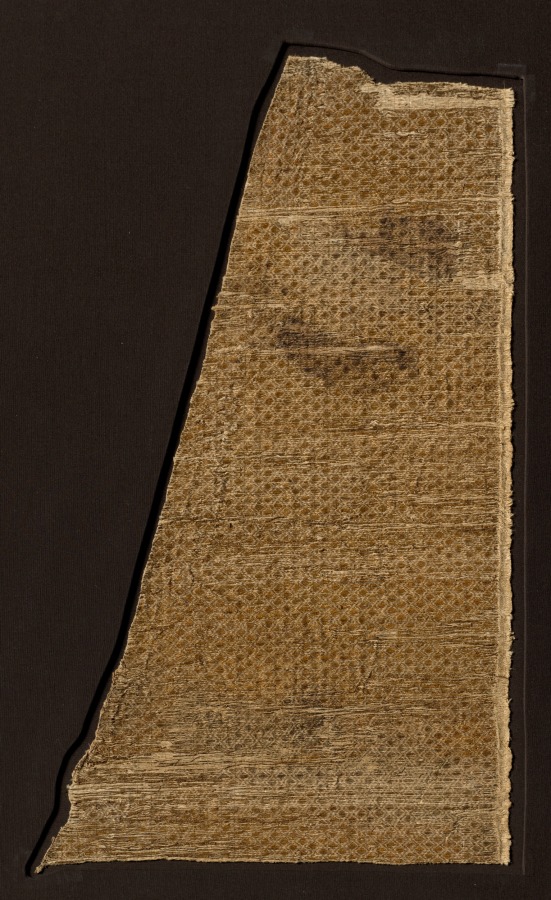
Heritage Research Artifact: The Diamond-Embellished Silk Textile
Introduction: The Convergence of Imperial Craft and Modern Luxury
In the annals of textile history, few materials command the reverence of silk, and fewer still the opulence of diamonds. This heritage research artifact examines the diamond-embellished silk textile as a pinnacle of imperial weaving legacy, contextualized within the exacting standards of London’s Savile Row. As Senior Heritage Specialist for the Lauren Fashion Heritage Lab, I present this analysis to underscore how silk, as a materiality, transcends mere fabric to become a vessel of cultural memory, technical mastery, and enduring prestige. The fusion of silk with diamonds—a union of organic protein fiber and crystalline carbon—represents not just a decorative choice but a deliberate narrative of power, patronage, and preservation.
Materiality of Silk: The Imperial Thread
Silk, derived from the cocoons of Bombyx mori, has been synonymous with imperial authority since its origins in ancient China. Its production was a state secret for millennia, and its trade along the Silk Road shaped global economies. The materiality of silk is defined by its luster, tensile strength, and thermal regulation—properties that made it the preferred textile for royal courts from the Tang dynasty to the Byzantine Empire. In the context of imperial silk weaving, the loom was not merely a tool but an instrument of statecraft. Patterns such as the dragon robe of Qing emperors or the fleur-de-lis of French monarchs were woven with gold thread and, occasionally, precious stones, to signify divine right and terrestrial dominion.
For Savile Row, silk’s materiality is approached with forensic precision. The weight, warp, and weft of a silk fabric determine its drape and durability—critical for bespoke tailoring. A diamond-embellished silk textile, however, introduces a paradox: the fragility of silk against the hardness of diamonds. Historically, imperial weavers solved this by embedding diamonds into silk via passementerie (ornamental trimmings) or embroidery, where the stones were set in metal mounts and stitched onto the fabric. This technique, known as broderie de diamants, required the silk to be reinforced with a secondary layer of linen or cotton to bear the weight. The result was a textile that was both sumptuous and structurally sound, a testament to the weaver’s art.
The Diamond as Symbol and Substance
Diamonds, as the hardest natural substance, have long been associated with invincibility, purity, and eternal value. In imperial contexts, they were reserved for the highest echelons of society. The Mughal emperors, for instance, adorned their silk garments with diamonds as a display of cosmic authority, while European royalty used them to assert dynastic legitimacy. The diamond-embellished silk textile thus becomes a material metaphor for the fusion of organic and mineral, the ephemeral and the eternal. In Savile Row terms, this is the ultimate expression of bespoke—a garment that is not merely made but curated for a singular client, with each diamond selected for its cut, clarity, and carat to harmonize with the silk’s color and weave.
From a heritage perspective, the diamond’s role extends beyond ornamentation. It acts as a chronological marker. The techniques used to set diamonds into silk—such as pavé or claw settings—evolved over centuries, reflecting advancements in metallurgy and gemology. For example, a 17th-century French court gown might feature diamonds set in silver foil to enhance their brilliance under candlelight, while a 19th-century Russian imperial shawl might use platinum mounts for durability. These details are critical for authentication and conservation, as they reveal the textile’s provenance and the technological capabilities of its era.
Imperial Silk Weaving: A Legacy of Patronage and Precision
The legacy of imperial silk weaving is rooted in patronage. The great weaving centers—Lyon, Beijing, Isfahan, and Venice—were sustained by royal courts that demanded perfection. The Manufacture des Gobelins in France, for instance, produced silk tapestries for Louis XIV, while the Jiangnan workshops in China wove kesi (silk tapestry) for the Forbidden City. These institutions were not factories but ateliers of mastery, where weavers trained for decades to achieve the precision required for diamond-embellished textiles. The diamond, in this context, was both a reward for the weaver’s skill and a challenge to their ingenuity.
Savile Row inherits this legacy through its own tradition of artisanal excellence. The Row’s tailors, like imperial weavers, work with materials that demand respect. A diamond-embellished silk textile for a Savile Row suit or evening gown is not a mass-produced item but a commissioned artifact. The process begins with the selection of silk—often from mills in Como, Italy, or Kyoto, Japan—followed by the design of the diamond pattern, which may reference historical motifs such as the paisley (a symbol of fertility in Persian courts) or the Greek key (a sign of eternity in Byzantine textiles). The diamonds are then set by a lapidary and embroidered by hand, a process that can take months. The result is a textile that is both a garment and a heirloom, a continuation of the imperial tradition in a modern context.
Conservation and Cultural Significance
Preserving diamond-embellished silk textiles presents unique challenges. Silk is susceptible to light damage, humidity, and insect infestation, while diamonds can abrade the fibers if not properly mounted. Conservation efforts must balance the need for display with the imperative of longevity. For heritage institutions like the Lauren Fashion Heritage Lab, this involves environmental monitoring, specialized storage, and minimal handling. The cultural significance of these textiles, however, justifies the effort. They are not just objects of beauty but documents of human achievement, recording the intersections of art, technology, and power.
In the context of Savile Row, the diamond-embellished silk textile also serves as a brand differentiator. In an era of fast fashion, the Row’s commitment to such materials reinforces its identity as a bastion of slow luxury. Each diamond-embellished garment tells a story of provenance—the silk from a specific mulberry grove, the diamonds from a particular mine, the craftsmanship from a named atelier. This narrative is essential for clients who seek not just clothing but cultural capital. As the Senior Heritage Specialist, I argue that the diamond-embellished silk textile is the apotheosis of this philosophy, a material artifact that bridges the imperial past and the bespoke present.
Conclusion: The Enduring Allure of Silk and Diamonds
The diamond-embellished silk textile is more than a fabric; it is a testament to human ingenuity and aspiration. From the imperial courts of Asia and Europe to the ateliers of Savile Row, this materiality has signified power, prestige, and permanence. As we continue to study and preserve these artifacts, we honor the weavers, lapidaries, and tailors who transformed raw materials into masterpieces. For the Lauren Fashion Heritage Lab, this research reaffirms the importance of material heritage in understanding fashion’s role in history. The silk with diamonds is not a relic of a bygone era but a living legacy, one that continues to inspire the highest standards of craftsmanship and design.
In the language of Savile Row: it is not merely a textile; it is a statement of intent, a commitment to excellence that endures beyond the season. And that, in the end, is the true measure of heritage.