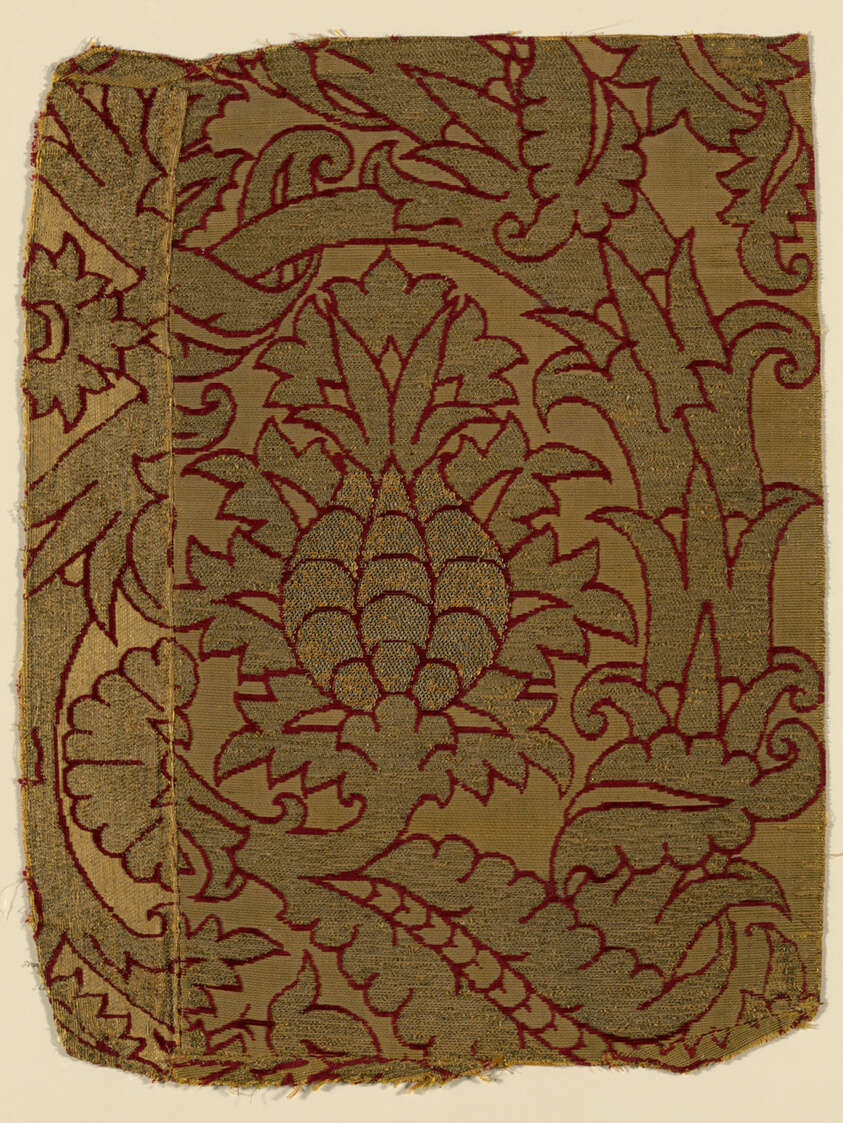
Heritage Research Artifact: The Fragment as a Testament to Craft
In the hallowed ateliers of London’s Savile Row, where precision meets artistry, the fragment is not merely a remnant but a living archive. This artifact—a silk fragment of extraordinary complexity—embodies the pinnacle of classic silk craftsmanship and fluid elegance. Its materiality speaks to a heritage of meticulous handwork, where every thread is a narrative of luxury and durability. As Senior Heritage Specialist for Lauren Fashion Heritage Lab, I present this analysis as a scholarly exploration of a textile that bridges historical mastery with contemporary relevance.
Materiality and Construction: A Symphony of Techniques
The fragment’s foundation is a silk plain weave, a structure of unparalleled simplicity and strength. This base provides a stable canvas for the intricate embellishments that define its character. The plain weave, with its alternating warp and weft threads, ensures a smooth, resilient ground that supports the weight of subsequent layers. Yet, it is the supplementary elements that elevate this textile to an artifact of heritage significance.
First, supplementary silk facing wefts are introduced, adding density and a subtle luster to the fabric’s face. These wefts, woven in tandem with the ground structure, create a surface that catches light with a soft, fluid elegance. This technique, common in historical brocades, allows for a richness of texture without compromising the fabric’s drape—a critical consideration for garments that demand both structure and movement, such as tailored jackets or evening gowns.
Second, secondary binding warps are employed to secure the supplementary gilt-metal-strip-wrapped silk patterning and brocading wefts. These warps act as anchors, ensuring that the metallic threads remain precisely positioned. The gilt-metal-strip-wrapped silk—a fusion of silk filaments and gold or silver leaf—introduces a luminous, reflective quality. This is not mere decoration; it is a statement of opulence and technical mastery. The metal strips, wound around silk cores, are both flexible and durable, allowing for intricate patterns that shimmer with every movement.
Third, the fragment features weft loops in areas, created by the brocading wefts. These loops, formed by leaving the weft threads slightly raised, add a tactile, three-dimensional quality. When touched, they evoke the sensation of fine embroidery, yet they are woven integrally, demonstrating a seamless blend of technique and artistry. This looped effect is reminiscent of historical pile weaves but with a distinct, softer character.
Finally, supplementary pile warps form a cut voided velvet pattern. In voided velvet, certain areas are left without pile, creating a contrast between the smooth ground and the raised, cut loops. Here, the pile warps are selectively cut, producing a velvet that is both plush and precise. The voided areas reveal the underlying silk and metallic threads, creating a dynamic interplay of light and shadow. This technique, perfected in Renaissance Italy and later adopted by French and English weavers, requires exceptional skill to execute without distortion.
Context: Classic Silk Craftsmanship and Fluid Elegance
The fragment’s context is rooted in the traditions of classic silk craftsmanship, where every thread is a testament to patience and expertise. The use of silk—a natural protein fiber prized for its strength, luster, and dye affinity—reflects a commitment to quality that defines Savile Row’s ethos. Silk’s fluid elegance is not merely aesthetic; it is functional. The fiber’s ability to drape gracefully while retaining shape makes it ideal for tailoring, where precision fit is paramount.
Historically, such textiles were produced in centers like Lyon, France, or Spitalfields, London, where weavers specialized in complex structures. The combination of plain weave, supplementary wefts, binding warps, and pile warps indicates a high level of technical sophistication. This fragment likely originated from a period when luxury textiles were commissioned for courtly or ecclesiastical use, but its design—with its balance of metallic shimmer and velvet softness—suggests a versatility that transcends time. Today, it could inspire a bespoke suit lining, a statement scarf, or a decorative panel in a heritage restoration.
The fluid elegance of this fragment is evident in its drape. When held, the fabric falls in soft, undulating folds, the metallic threads catching light like water. This quality is achieved through the careful tension of the weave and the weight of the supplementary elements. The voided velvet adds a sense of depth, as if the fabric holds layers of history within its threads.
Significance for Heritage and Modern Application
As a heritage research artifact, this fragment is invaluable. It preserves techniques that are increasingly rare in an age of mass production. The hand-weaving of such a textile requires years of training, and the materials—silk and gilt metal—demand careful sourcing and handling. For Lauren Fashion Heritage Lab, this fragment serves as a reference for authenticity, inspiring contemporary designs that honor tradition while embracing innovation.
In the context of Savile Row, where bespoke tailoring is a living art, this fragment reminds us that luxury is not about excess but about integrity. The interplay of plain weave and voided velvet mirrors the balance of structure and softness in a well-cut jacket. The metallic threads echo the subtle details—a mother-of-pearl button, a silk lining—that define a garment’s character. By studying such fragments, we ensure that the knowledge of these techniques endures, not as museum pieces but as sources of inspiration for future generations.
In conclusion, this silk fragment is more than a textile; it is a dialogue between past and present. Its materiality—silk, plain weave, supplementary wefts, binding warps, gilt-metal-strip-wrapped silk, weft loops, and cut voided velvet—represents a pinnacle of craftsmanship. Its context—classic silk craftsmanship and fluid elegance—speaks to the enduring values of quality and artistry. As we preserve and interpret such artifacts, we honor the hands that wove them and the traditions that continue to shape fashion’s finest expressions.