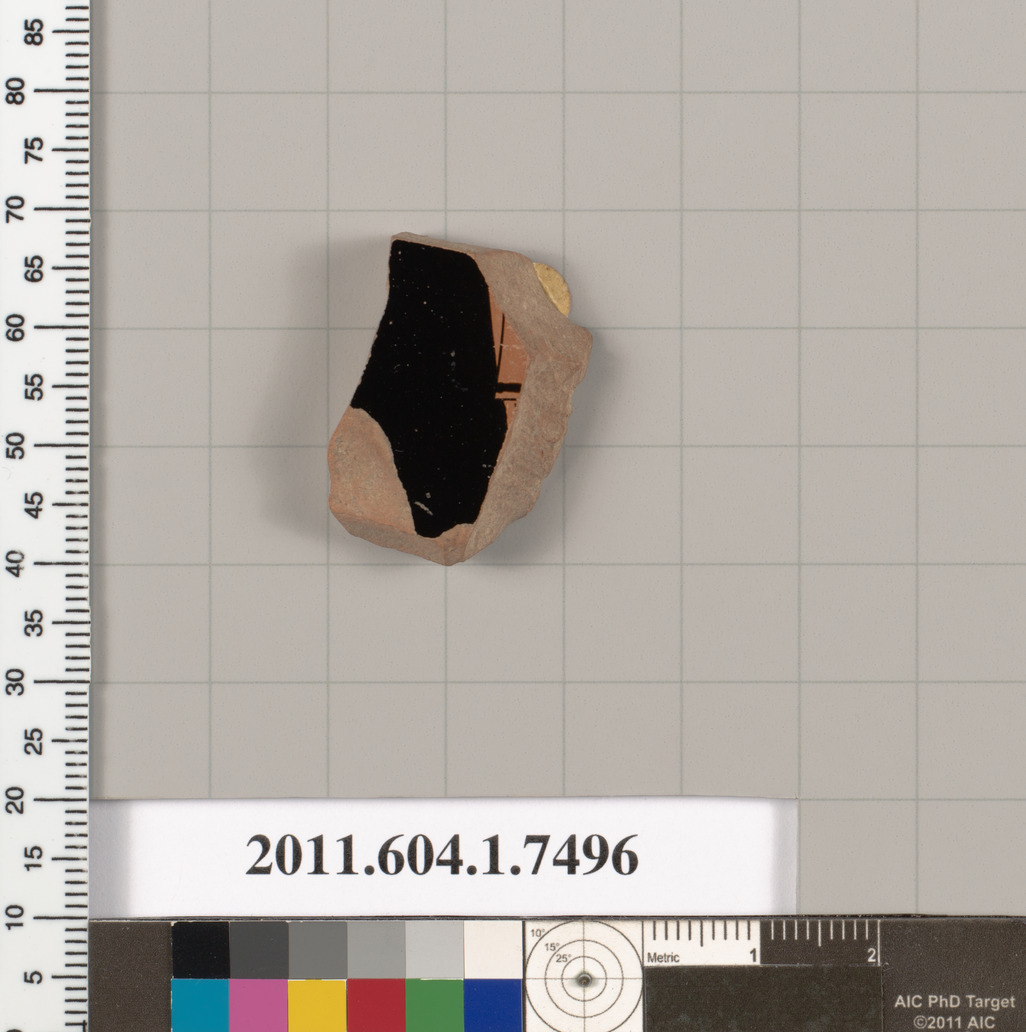
Fragments of Communion: The Attic Kylix and the 2026 Silhouette of Unspoken Ritual
The Lauren Fashion Heritage Lab’s internal genetic code identifies a profound dialogue between Eastern and Western pastoral ideals, articulated through the motifs of the herdboy and the playing child. This dialogue centers on universal human yearnings for harmony, innocence, and a timeless, idealized state of being. To project this foundational ethos onto the 2026 “Old Money” silhouette—a concept denoting not mere wealth but inherited cultural capital, discretion, and enduring taste—requires a grounding artifact that embodies the very ritual and social grammar of Western civilization. A Terracotta fragment of an Attic kylix (drinking cup) serves not merely as a visual source but as the archeological keystone for this sartorial evolution. This analysis will argue that the 2026 Old Money silhouette, informed by the kylix, moves beyond nostalgic reference to architect a modern uniform of ritualized, communal elegance, where clothing becomes the vessel for a new, silent social contract.
The Kylix: Vessel of Democratic and Dionysian Ritual
The Attic kylix was far more than a drinking vessel; it was the central instrument of the symposium, the foundational ritual of Athenian male social and intellectual life. Its wide, shallow bowl and twin handles were engineered for communal use—passed from hand to hand, its interior decoration (tondo) revealed only upon the consumption of its contents. This design married function with profound symbolism. The terracotta fragment, even in its broken state, whispers of a complete narrative: the exterior often depicted scenes of myth, athletics, or daily life, while the interior tondo held a more intimate, often Dionysian image (a satyr, a reveler). This structure created a ritual of revelation, binding participants in a shared experience of art, wine, and conversation. The material itself—fired clay, humble yet transformable—speaks to an elegance rooted in utility and shared human practice, not ostentatious display. It is the antithesis of the solitary, precious object; its power is activated only in the circle of communion.
From Ceramic Fragment to Sartorial Architecture: Informing the 2026 Silhouette
The 2026 Old Money silhouette, decoded through the kylix, transcends the superficial signifiers of tweed and pearls. It embraces a philosophy of architectural intimacy and ritualized disclosure. The kylix’s fragmentary nature is key; it suggests not a slavish reproduction of the past, but a selective, intellectual reconstruction of its principles.
Firstly, the silhouette embraces the duality of the kylix’s narrative structure. Garments will be conceived with an internal-external dialectic. A severe, impeccably tailored wool overcoat (the exterior of the kylix, presenting a public-facing narrative of restraint and authority) may open to reveal a lining of astonishing, intricate jacquard depicting a pastoral or playful motif—a direct translation of the Herdboys and Buffalos or Children at Play ideal into textile. This revelation is private, intended only for the wearer or the most intimate company, mirroring the symposium’s closed circle. The cut itself becomes a vessel with a hidden tondo.
Secondly, the form follows the ethos of communal ritual. The Old Money silhouette of 2026 will prioritize ease of movement and a grace that facilitates social interaction, much like the kylix’s handles invited passing. Silhouettes will be clean, fluid, and unencumbered—wide-leg, pleated trousers in heritage-black wool that move like water; structured shirt-dresses with precise armholes that allow for gesture. The focus is on how the garment performs in the symposium of modern life: the boardroom lunch, the gallery opening, the private library. Fabrics will be chosen for their haptic intelligence—crushed velvets that recall aged terracotta, matte-finish wools, dry-hand silks—materials that invite a sensory engagement and age with a patina of use, not deteriorate.
Synthesizing the Genetic Code: The New Pastoral as Social Ritual
The internal genetic code locates a “poetic fortress” against time in the pastoral ideal. The 2026 silhouette, mediated through the kylix, reinterprets this fortress not as a remote escape, but as a portable, social condition. The “unbounded field” of the herdboy painting and the “secular joy” of the Dutch cup converge in a sartorial philosophy of cultivated ease and implicit community.
The color Heritage-Black becomes paramount. It is not a funereal black, but the black of fired clay in shadow, of an iron oxide slip on pottery—a deep, warm, absorptive neutral that serves as the perfect ground for subtle texture and sculptural form. It provides the “blank space” of the Eastern aesthetic, the void that contains infinite potential, against which the precise line of a lapel or the fall of a fold becomes a poetic event. In this context, a gold-thread embroidery detail is not mere decoration; it is the fragment of a lost narrative, a glint of the Dionysian revel just beneath the surface of solemn form, much like the tondo’s hidden image.
Ultimately, the Terracotta kylix fragment teaches that true, enduring style is a communal ritual objectified. The 2026 Old Money silhouette, therefore, will be characterized by a serene authority, a focus on impeccable proportion over adornment, and a masterful play between revelation and concealment. It clothes the individual not as a solitary hero (the Western archetype rejected in our genetic code) but as a harmonious note in a contemporary social rhythm. The wearer carries with them the silent symposium, the fragment of the pastoral ideal, and the vessel for a shared, unspoken understanding. The笛声 (flute sound) of the herdboy and the laughter of the children become the quiet confidence in a cut, the ease in a gesture, constructing a modern田园 (pastoral) where elegance is the last true democracy.