The Terracotta Kylix and the Architecture of Old Money: A Study in Material Memory and Silhouette for 2026
Introduction: The Dialectics of the Fragment
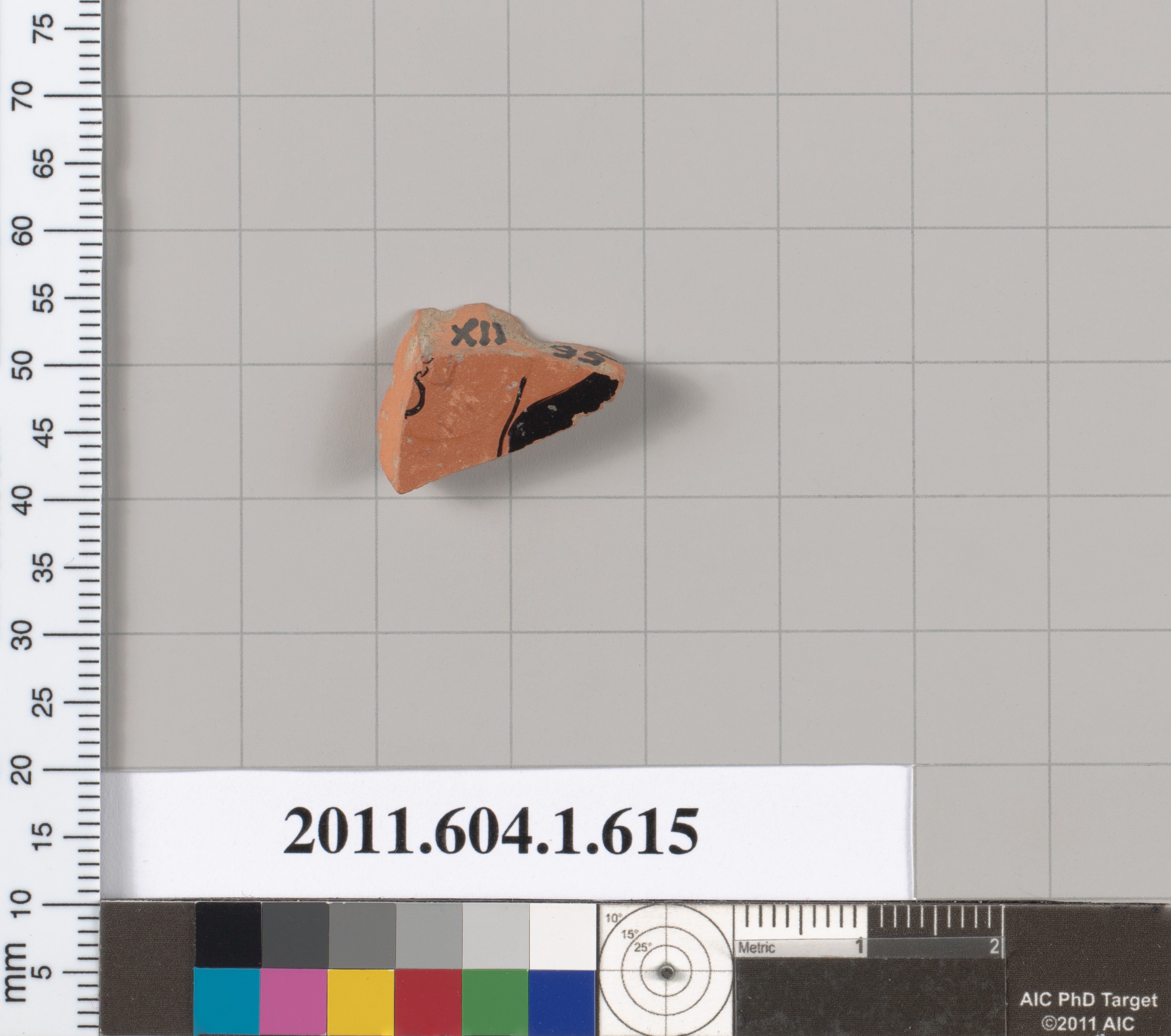
The terracotta fragment of a Greek Attic kylix—a drinking cup shattered by time, yet resonant with the tactile memory of symposium and ritual—offers an unexpected, profound lens through which to examine the 2026 Old Money silhouette. At first glance, the distance between a 5th-century BCE shard of fired clay and the refined minimalism of contemporary heritage fashion seems insurmountable. Yet, as the internal genetic code of Lauren Fashion Heritage Lab reveals, the deepest aesthetic truths emerge from the dialogue between disparate objects: the earthy, the celestial; the broken, the whole. This fragment, with its material humility and structural precision, becomes a key to unlocking a new vernacular of quiet power—one that rejects ostentation in favor of architectural integrity, textural depth, and narrative restraint.
The kylix fragment, like the 牧童与水牛 (Buffalo Boy and Water Buffalo) artifact, is rooted in the primacy of earth. Its terracotta body—fired, porous, and warm to the touch—embodies the “见素抱朴” (seeing the unadorned and embracing the simple) of Daoist aesthetics. But unlike the pastoral Chinese piece, which celebrates organic spontaneity, the Greek kylix is a product of rigorous symmetry and geometric order. Its fragmentary state reveals the tension between creation and decay, a tension that the 2026 Old Money silhouette must harness: not as nostalgia for ruin, but as a celebration of enduring structure beneath the patina of time.
Materiality as Social Code: The Heritage-Black Imperative
Heritage-Black, as a category, is not a color but a philosophical condition. It denotes the absorption of all light—the refusal of spectacle. The terracotta kylix, though fired in shades of ochre and rust, shares this ethos: its value lies not in surface brilliance, but in the integrity of its material. For the 2026 Old Money silhouette, this translates into fabrics that resist the tyranny of novelty. Think of a double-faced cashmere coat in charcoal wool—not black, but a black that has been weathered, like the kylix’s surface, by the rituals of daily life. The fabric’s weight and drape must echo the “气韵生动” (vital rhythm) of the Chinese aesthetic, but channeled through the architectonic clarity of the Greek form. A seam is not just a join; it is a fault line of history, a reminder that the garment, like the shard, is a fragment of a larger, unseen whole.
The kylix fragment teaches us that imperfection is a sign of authenticity. In the 2026 silhouette, this manifests as deliberate asymmetry—a shoulder seam that falls a quarter-inch off, a hem that grazes the floor unevenly. This is not carelessness, but “天趣” (heavenly spontaneity), the same quality that makes the hand-molded terracotta more valuable than a machine-perfect replica. The Old Money wearer does not seek to erase the marks of time; they curate them. A cashmere sweater with a mended elbow, a silk blouse with a faint water stain—these become heritage artifacts, not blemishes.
Silhouette as Architectural Fragment
The kylix’s form—a shallow bowl on a slender stem, with two handles—is a study in balanced tension. Its silhouette is grounded yet elevated, wide at the rim, narrow at the base, with handles that extend outward like gestures of hospitality. For the 2026 Old Money silhouette, this translates into a reimagined proportion system. The broad-shouldered, narrow-hipped silhouette of the 1980s power suit is inverted: now, the shoulder is softened, the hip is emphasized through a subtle A-line, and the waist is cinched not by a belt, but by the architecture of the garment itself—a princess seam that mimics the kylix’s stem.
The handles of the kylix, often decorated with palmettes or ivy leaves, become lapels, cuffs, and pocket flaps—functional yet ornamental, they are the points of connection between the wearer and the world. In the 2026 silhouette, these details are executed in contrasting textures: a wool jacket with silk faille lapels, a linen trouser with leather pocket welts. This is the “工笔” (meticulous brushwork) of the 僧侣法衣 (Monk’s Robe), applied to the secular realm. The garment becomes a “visual圣典” (visual scripture) of restraint, where every stitch is a meditation on order and meaning.
The Color of Earth and Sky
The terracotta fragment’s palette—burnt sienna, ochre, umber—is the color of the earth after rain. For the 2026 Old Money silhouette, this translates into a chromatic shift away from pure neutrals. Instead of stark black or white, the collection embraces “dirty” colors: clay, rust, dried blood, moss. These are colors that have absorbed history, that carry the weight of centuries. A terracotta silk velvet evening gown—its pile catching the light like the kylix’s glaze—becomes a modern relic. A wool flannel suit in “Attic red”—a deep, oxidized crimson—references the symposium’s libations while remaining utterly contemporary.
This palette is not decorative; it is narrative. It speaks of “道器合一” (the unity of the Way and the vessel), the belief that the object’s color and form are inseparable from its meaning. The Old Money wearer does not choose a color because it is fashionable; they choose it because it resonates with the material’s soul. A cashmere turtleneck in “kylix black”—a black that is not flat, but layered with undertones of violet and green, like the patina of ancient bronze—becomes a statement of belonging to a lineage that values depth over surface.
Conclusion: The Fragment as Whole
The terracotta kylix fragment, in its brokenness, teaches us that wholeness is not about completion, but about integrity. The 2026 Old Money silhouette, informed by this artifact, embraces the fragmentary nature of identity. It is not a costume of a bygone era, but a living archaeology—a garment that carries the memory of the symposium and the humility of the plow, the precision of the monk’s stitch and the spontaneity of the child’s hand. In this synthesis, the wearer becomes a vessel for time itself, a “器” (vessel) that carries the “道” (Way) of heritage, not as a relic, but as a living, breathing presence.
Ultimately, the kylix fragment and the 2026 Old Money silhouette share a single, profound truth: true luxury is invisible. It is not in the gold thread or the cashmere, but in the silence between stitches, the patina of use, the fragment that suggests the whole. This is the heritage that Lauren Fashion Heritage Lab curates—not a museum of dead objects, but a living archive of material wisdom, ready to be worn, broken, and reborn.