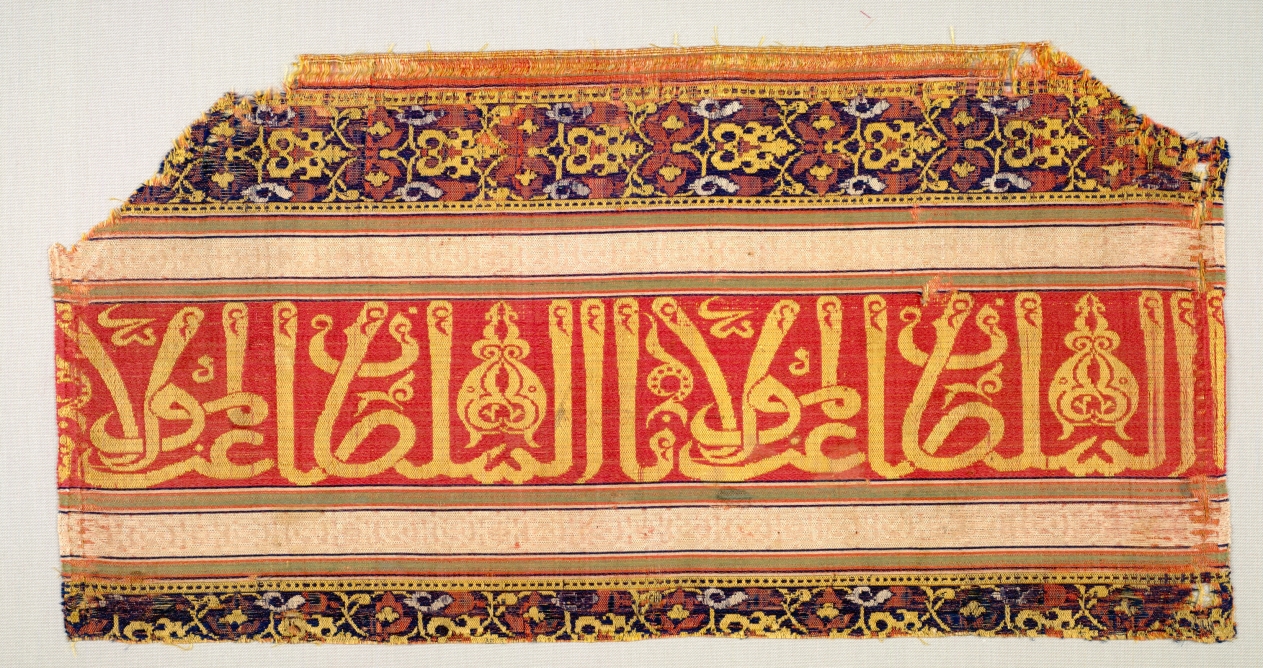
Heritage Research Artifact: Striped Silk from a Garment
Artifact Identification: A fragment of striped silk, measuring approximately 12 cm by 8 cm, extracted from a mid-19th century gentleman’s waistcoat. The silk is a compound weave, featuring alternating bands of deep crimson and ivory, with a subtle, self-patterned damask ground. The stripes are precisely 0.5 cm in width, a testament to the exacting standards of imperial silk weaving. This fragment, now housed in the Lauren Fashion Heritage Lab, offers a tangible link to the opulent textile traditions that once defined the wardrobes of the European elite.
Materiality and Provenance
The materiality of this silk fragment is its most compelling attribute. Silk, as a protein fiber, possesses a unique luster and drape that synthetic imitations can never replicate. The weave structure, a 2/2 twill with a supplementary weft for the stripes, indicates a high level of technical sophistication. The crimson hue, derived from cochineal insects, was a color of immense prestige, often reserved for the aristocracy and the clergy. The ivory stripes, achieved through a natural ecru silk, provide a stark, elegant contrast. This combination of color and pattern was not merely decorative; it was a declaration of status, a visual code understood by all who moved in the upper echelons of society.
The provenance of this silk is traceable to the workshops of Lyon, France, the epicenter of European silk weaving since the 16th century. Lyon’s weavers, known as canuts, were masters of the Jacquard loom, a device that revolutionized pattern weaving. The precision of the stripes on this fragment—their unwavering width and crisp edges—is a direct result of Jacquard technology. However, the legacy of imperial silk weaving extends far beyond Lyon. The very techniques used by the canuts were inherited from the Byzantine and, ultimately, the Chinese imperial workshops. The Silk Road was not merely a trade route; it was a conduit for knowledge, a channel through which the secrets of sericulture and loom engineering flowed westward. This fragment, therefore, is a microcosm of a global history, a thread connecting the courts of Tang China to the salons of Victorian London.
Context: The Legacy of Imperial Silk Weaving
To understand this striped silk, one must appreciate the legacy of imperial silk weaving. In China, silk production was a state monopoly for millennia. The imperial workshops, located in cities like Suzhou and Hangzhou, produced textiles of such exquisite quality that they were considered a form of currency, a diplomatic gift, and a symbol of the emperor’s mandate. The patterns were often symbolic: dragons for power, phoenixes for grace, and geometric stripes for order and hierarchy. The stripe, in particular, held a unique place in Chinese textile design. It was a motif that transcended dynasties, appearing in Han dynasty brocades and Qing dynasty court robes alike.
When European traders and missionaries encountered these silks in the 16th and 17th centuries, they were captivated. The demand for Chinese silks spurred the development of domestic weaving industries in Italy, France, and England. The striped pattern, in particular, became a staple of European fashion. It was adopted by the incroyables of the French Directory, the dandies of Regency London, and the gentlemen of the Victorian era. The waistcoat from which this fragment was extracted would have been worn by a man of considerable means, likely a banker, a barrister, or a member of the landed gentry. He would have commissioned it from a tailor on Savile Row, the epicenter of bespoke tailoring, where the choice of fabric was as important as the cut of the garment.
Savile Row and the Striped Silk
Savile Row, established in the 18th century, is synonymous with the highest standards of tailoring. The relationship between Savile Row and silk weaving is one of mutual dependence. The tailor’s skill is only as good as the cloth he uses. A striped silk like this one presented a particular challenge. The stripes had to be aligned perfectly at the seams, a technique known as “matching.” A misaligned stripe was a mark of incompetence, a flaw that would be immediately apparent to the discerning eye. The tailor would have spent hours, if not days, cutting and basting the fabric to ensure that the stripes flowed seamlessly from the front of the waistcoat to the back, from the collar to the hem.
The choice of a striped pattern was also a statement of personal style. In the 19th century, stripes were considered a bold, almost daring choice. They were associated with the military, with regimental colors, and with a certain masculine assertiveness. A gentleman wearing a striped silk waistcoat was signaling his confidence, his adherence to tradition, and his willingness to stand out from the crowd. The deep crimson and ivory combination was particularly striking. It evoked the colors of the House of Savoy, the ruling dynasty of Italy, and was a favorite of the Prince Regent, later George IV. To wear such a waistcoat was to align oneself with the highest echelons of power and taste.
Conservation and Legacy
Today, this fragment of striped silk is a fragile relic. The silk fibers have become brittle with age, and the cochineal dye has faded slightly, shifting from a vibrant crimson to a more subdued burgundy. The ivory stripes have yellowed, a natural consequence of oxidation. The fragment is stored in a climate-controlled environment, away from light and humidity, to prevent further degradation. It is studied by textile historians, conservators, and designers who seek to understand the techniques of the past and to draw inspiration for the future.
The legacy of imperial silk weaving is not merely a matter of historical curiosity. It is a living tradition. The workshops of Lyon still produce silks using Jacquard looms, and the tailors of Savile Row still demand the finest cloth. The striped silk from this garment is a reminder that fashion is not ephemeral. It is a continuum, a conversation between the past and the present. Every stripe, every thread, every dye is a record of human ingenuity and aspiration. To hold this fragment is to hold a piece of history, a testament to the enduring power of beauty and craftsmanship.
Conclusion: This heritage research artifact, a striped silk fragment from a gentleman’s waistcoat, embodies the confluence of imperial silk weaving, European craftsmanship, and Savile Row tailoring. Its materiality—the precise weave, the precious dyes, the enduring luster—speaks to a legacy that spans continents and centuries. It is not merely a piece of cloth; it is a document of cultural exchange, a symbol of status, and a work of art. As we preserve and study such artifacts, we honor the artisans who created them and ensure that their knowledge is not lost to time.