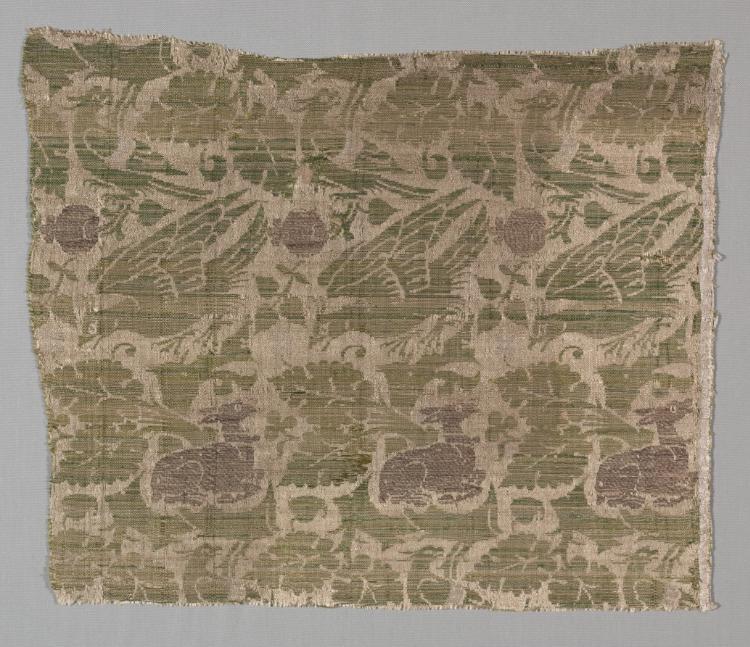
The Enduring Legacy of Imperial Silk Weaving: A Study in Silk and Gold Textile Materiality
Introduction: The Fabric of Power and Prestige
In the hallowed corridors of London’s Savile Row, where bespoke tailoring meets centuries of craftsmanship, the materiality of silk and gold textiles stands as a testament to an unbroken lineage of imperial artistry. At the Lauren Fashion Heritage Lab, we recognize that silk, particularly when interwoven with gold thread, transcends mere fabric to become a narrative of power, diplomacy, and cultural exchange. This heritage research artifact examines the legacy of imperial silk weaving, focusing on the materiality of silk and gold textiles—a subject that resonates deeply with the ethos of luxury and precision that defines Savile Row. The imperial courts of China, Persia, and Byzantium elevated silk weaving to an art form, where gold threads were not merely decorative but symbolic of divine authority and economic might. For the modern connoisseur, understanding this heritage informs the curation of timeless wardrobes, where fabric speaks louder than cut.
Materiality of Silk: The Foundation of Imperial Craft
Silk, derived from the cocoons of Bombyx mori, is a protein fiber of unparalleled luster, strength, and drape. Its materiality—characterized by a triangular cross-section that refracts light—creates a natural sheen that no synthetic can replicate. In imperial contexts, silk was not just a textile; it was a currency of status. The Chinese imperial workshops, particularly during the Tang (618–907 CE) and Ming (1368–1644 CE) dynasties, perfected sericulture and weaving techniques that produced fabrics of such density and smoothness that they were reserved exclusively for the emperor and his court. The materiality of silk in these textiles is defined by its tensile strength—stronger than steel of equivalent thickness—and its hygroscopic nature, which allows it to absorb dyes with exceptional vibrancy. For the Savile Row tailor, silk’s ability to hold a crease while remaining breathable makes it ideal for linings, scarves, and evening wear. Yet, the imperial legacy teaches us that silk’s true value lies in its tactile memory: it retains the imprint of wear, becoming a personal artifact of the body it adorned.
Gold Thread: The Alchemy of Luxury
The inclusion of gold in silk textiles elevates the fabric from luxury to sovereign statement. Gold thread, or “filet d’or” in French ateliers, was historically created by wrapping a thin strip of gold leaf around a silk or linen core. In imperial China, gold was beaten into foil, cut into threads, and woven into kesi (silk tapestry) or jin (brocade) using techniques that required months of labor. The materiality of gold thread is defined by its malleability and reflectivity. When woven into silk, it creates a surface that shifts with light, embodying the concept of “changing colours”—a hallmark of imperial robes that signified the emperor’s role as the mediator between heaven and earth. The Byzantine Empire, too, mastered the use of gold thread in clavi (decorative bands) on silk tunics, while the Safavid Persians employed zari (gold brocade) for courtly garments. For the modern heritage specialist, the preservation of gold thread requires understanding its oxidative fragility; gold does not tarnish, but the silk core can degrade, necessitating careful conservation. This materiality informs the selection of gold-threaded textiles for restoration or reproduction, ensuring that the imperial aura is maintained.
Imperial Silk Weaving: Techniques and Symbolism
The legacy of imperial silk weaving is inseparable from the techniques that defined it. The drawloom, a complex apparatus requiring two weavers—one to operate the pattern and one to throw the shuttle—was the engine of imperial production. In China’s Nanjing and Suzhou workshops, the yun jin (cloud brocade) technique wove gold and silk into patterns of dragons, phoenixes, and clouds, each motif carrying specific rank and meaning. The materiality of these textiles is characterized by a high thread count (often exceeding 100 threads per centimeter), creating a fabric that is both heavy and fluid. The gold thread, often used as weft, creates a raised texture that is palpable—a quality that Savile Row tailors might liken to the hand of a fine worsted wool. Symbolically, gold and silk together represented the “Mandate of Heaven”—the emperor’s divine right to rule. In Byzantium, purple silk with gold embroidery was reserved for the imperial family, while in Persia, gold-threaded silk was used for royal tents and ceremonial robes. This symbolism persists in modern luxury: a gold-threaded silk tie or pocket square from a Savile Row house carries the weight of this heritage, signaling discernment and respect for tradition.
Conservation and Contemporary Relevance
At the Lauren Fashion Heritage Lab, we approach silk and gold textiles with the rigor of a conservator and the vision of a curator. The materiality of these artifacts demands climate-controlled storage (50–60% relative humidity, 18–20°C) to prevent silk from becoming brittle and gold thread from detaching. Light exposure must be limited to 50 lux to avoid photochemical degradation. For the modern collector or tailor, understanding these parameters ensures that garments—whether a Ming dynasty robe or a contemporary bespoke jacket—retain their integrity. The legacy of imperial silk weaving also informs contemporary design: the use of gold Lurex or metallic yarns in high-end fashion echoes the imperial aesthetic, but the materiality of real gold thread remains unmatched. In Savile Row, where houses like Huntsman and Anderson & Sheppard prioritize fabric provenance, a silk and gold textile from a heritage mill—such as the Italian Ratti or French Bucol—carries the same gravitas as an imperial artifact. The craftsmanship of weaving gold into silk is a dying art, but its preservation is vital for the continuity of luxury.
Conclusion: The Fabric of Legacy
The silk and gold textile is more than a historical curiosity; it is a living artifact that bridges imperial courts and contemporary wardrobes. Its materiality—the strength of silk, the luster of gold, the precision of weave—embodies the pinnacle of human artistry. For the Lauren Fashion Heritage Lab, this research artifact serves as a foundation for curating collections that honor the past while inspiring the future. In the language of Savile Row, where every stitch is a statement, the silk and gold textile remains the ultimate expression of heritage, power, and timeless elegance. As we preserve these threads, we ensure that the legacy of imperial weaving continues to drape the shoulders of discerning individuals, from the Forbidden City to the fitting rooms of Mayfair.