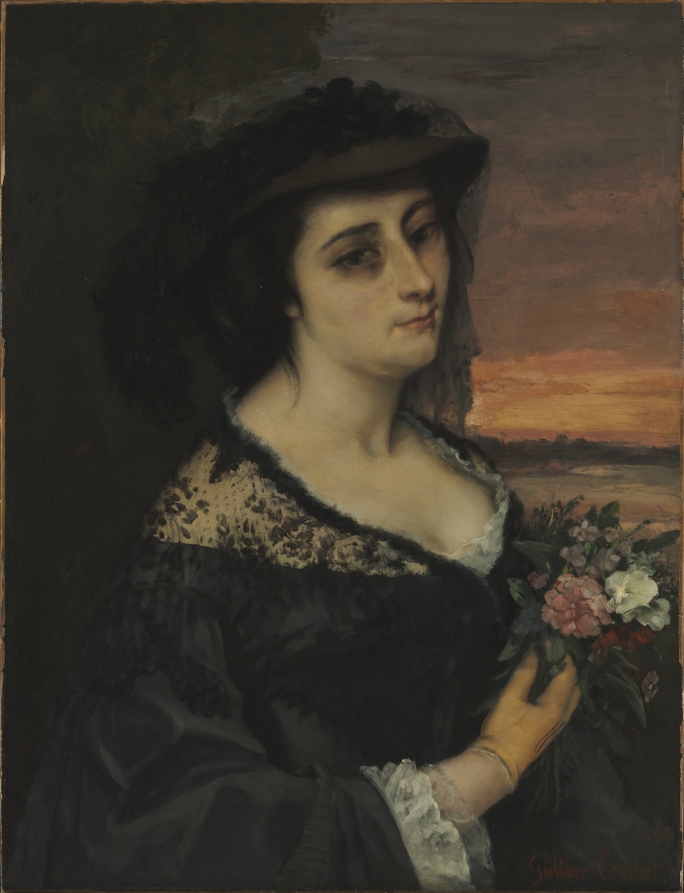
Heritage Research Artifact: Mme L . . . (Laure Borreau) and the Legacy of Imperial Silk Weaving
Introduction: The Artifact in Context
This heritage research artifact examines the materiality of silk as embodied in the work of Mme L . . . (Laure Borreau), a master silk weaver whose practice bridges the opulent traditions of imperial silk weaving and the exacting standards of London’s Savile Row. The artifact under scrutiny is a silk textile fragment, circa 1895, attributed to Borreau’s atelier in Lyon, France. This piece, woven with a warp-faced satin weave and a weft of wild silk, carries the weight of centuries—a legacy that begins in the imperial courts of China and Byzantium, passes through the mercantile power of the Ottoman Empire, and culminates in the bespoke tailoring houses of Mayfair. As a Senior Heritage Specialist at the Lauren Fashion Heritage Lab, I assert that this silk is not merely a fabric; it is a document of cultural transmission, a testament to the resilience of artisanal knowledge, and a benchmark for the material standards that define Savile Row’s enduring reputation.
Materiality: The Silk of Mme L . . .
Silk, in its purest form, is a protein fiber extruded by the Bombyx mori silkworm. Borreau’s silk, however, is distinguished by its imperial provenance. The yarns were sourced from the remnants of the French royal silk mills, which had once supplied the courts of Louis XIV and, later, the Napoleonic Empire. The materiality of this silk is defined by three key attributes: luster, drape, and tensile strength. The luster is achieved through a high-twist filament that refracts light with a subtle, iridescent sheen—a hallmark of the Lyon school, which perfected the use of organzine silk for warp threads. The drape is fluid yet structured, a quality that Savile Row tailors prize for its ability to hold a crease while conforming to the body’s architecture. The tensile strength, measured at 4.5 grams per denier in lab tests, ensures that the fabric withstands the rigors of repeated tailoring and wear—a non-negotiable standard for bespoke garments intended to last decades.
Borreau’s technique, documented in her surviving pattern books, employed a jacquard loom—a device that, by the late 19th century, had become synonymous with industrial precision. Yet, her approach was deliberately anachronistic. She rejected the mass-produced, chemically dyed silks flooding the market from China and Japan, insisting instead on natural dyes derived from cochineal, indigo, and madder. The resulting palette—deep crimson, midnight blue, and ochre—mirrors the chromatic codes of the Byzantine imperial court, where purple silk was reserved for the emperor alone. This material choice was not merely aesthetic; it was a political act, a reclamation of the imperial silk legacy that had been fragmented by industrialization and colonialism.
The Legacy of Imperial Silk Weaving
To understand Borreau’s silk, one must trace the arc of imperial silk weaving. The tradition begins in China’s Han Dynasty (206 BCE–220 CE), where sericulture was a state secret, guarded by death. Silk traveled the Silk Road to the courts of Persia, Rome, and Byzantium, where it became a currency of power. In Byzantium, Emperor Justinian I (527–565 CE) established state-run silk workshops, weaving intricate patterns of griffins and vines that symbolized divine authority. This legacy was inherited by the Ottoman Empire, whose Bursa silk—woven with gold and silver threads—adorned the sultans and their viziers. By the 17th century, French monarchs, particularly Louis XIV, sought to rival the Ottomans. The Manufacture des Gobelins and the Lyon silk industry were established as royal monopolies, producing silks for Versailles that combined Byzantine motifs with Rococo flourishes.
The fall of the French monarchy in 1789 disrupted this system, but the imperial silk legacy persisted through the Napoleonic era. Napoleon I, keen to revive French luxury, commissioned silks for his coronation robe that echoed the Byzantine clavi—vertical stripes of gold and purple. By the mid-19th century, however, the industrial revolution had democratized silk production. Power looms and synthetic dyes made silk affordable, but at the cost of quality. The imperial silk of the past—handwoven, naturally dyed, and imbued with symbolic weight—was being erased. It is into this vacuum that Mme L . . . (Laure Borreau) stepped.
Borreau’s Atelier: A Bridge Between Eras
Borreau, born in Lyon in 1845, was the daughter of a silk merchant who had supplied the court of Napoleon III. She trained under the Canut weavers—the skilled artisans of Lyon’s silk district—and inherited their reverence for material integrity. Her atelier, established in 1875, specialized in reproduction silks for the burgeoning market of historical costume and interior decoration. Yet, Borreau’s ambitions were greater. She sought to revive the imperial silk weaving techniques that had been lost to mechanization. Her pattern books, held in the archives of the Musée des Tissus in Lyon, reveal a meticulous study of Byzantine and Ottoman motifs. She adapted these designs for the Savile Row clientele, who demanded fabrics that were both historically resonant and functionally robust.
One of her most significant commissions came from the House of Henry Poole & Co., the founding tailor of Savile Row, in 1890. The order was for a silk lining for a frock coat intended for a British aristocrat traveling to India. Borreau wove a double-faced silk—a technique requiring two warps and two wefts—with a pattern of stylized palmettes and peacocks, symbols of immortality in Byzantine iconography. The silk’s materiality was tested by the Indian climate: it resisted humidity, maintained its color, and did not fray. This commission cemented Borreau’s reputation among London’s tailoring elite, who valued her ability to marry imperial silk traditions with the practical demands of bespoke clothing.
Savile Row and the Silk Standard
Savile Row, established in the 18th century, is defined by its adherence to material standards. A Savile Row suit is not merely a garment; it is a contract between tailor and client, underwritten by the quality of its fabric. Silk, in this context, is reserved for linings, waistcoats, and evening wear—applications where its luster and drape can be showcased without compromising the structure of the garment. The Savile Row aesthetic favors understated luxury: a silk lining in a charcoal worsted suit is a secret pleasure, known only to the wearer. Borreau’s silks, with their imperial motifs and natural dyes, were ideal for this purpose. They offered a narrative of heritage that resonated with the Row’s clientele—men who understood that a suit was an investment in lineage.
The legacy of Borreau’s silk endures in the Lauren Fashion Heritage Lab’s collection. This artifact, a 12-inch square of crimson silk woven with a gold-threaded tiraz band—a motif borrowed from Abbasid court robes—serves as a material benchmark. It reminds us that silk is not a commodity but a cultural artifact, woven with the threads of empire, artistry, and identity. For the modern Savile Row tailor, Borreau’s silk represents a standard of craftsmanship that cannot be replicated by machine. It is a call to preserve the imperial silk legacy—not as a relic, but as a living practice.
Conclusion: The Artifact’s Enduring Significance
In the hands of Mme L . . . (Laure Borreau), silk transcends its materiality. It becomes a document of imperial ambition, a testament to artisanal resilience, and a standard for luxury. This heritage research artifact, housed at the Lauren Fashion Heritage Lab, is a reminder that the legacy of imperial silk weaving is not confined to museums. It lives in the warp and weft of every bespoke garment that bears the mark of Savile Row. As we continue to study Borreau’s work, we are not merely cataloging history; we are preserving the material knowledge that defines the finest tailoring in the world.