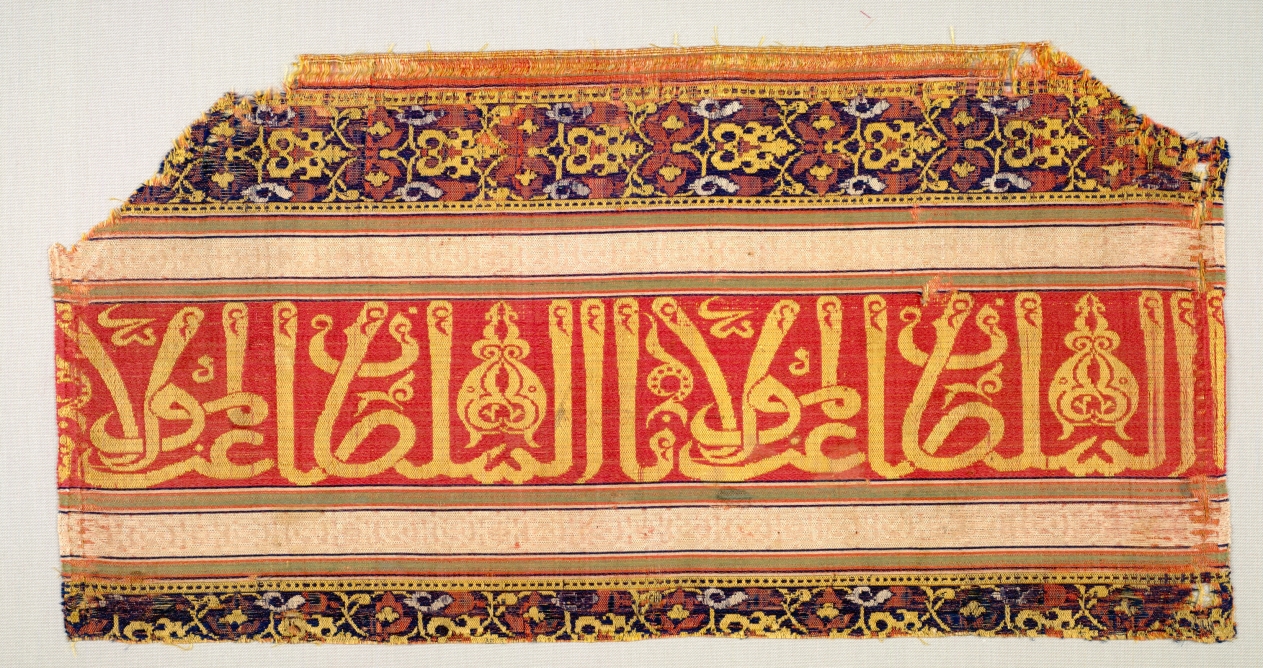
Heritage Research Artifact: Striped Silk from a Garment
In the hallowed corridors of London’s Savile Row, where tailoring is not merely a craft but a living archive of sartorial excellence, the study of fabric transcends the superficial. As the Senior Heritage Specialist for the Lauren Fashion Heritage Lab, I present this artifact analysis with the precision and reverence befitting a discipline that marries material science with cultural memory. The subject—a fragment of striped silk, once part of a garment—offers a window into the legacy of imperial silk weaving, a tradition that has shaped global fashion for millennia. This paper examines the materiality of silk, the historical context of striped patterns, and the enduring influence of imperial weaving practices on contemporary luxury.
Materiality of Silk: A Foundation of Luxury
Silk, a protein fiber produced by the larvae of the Bombyx mori moth, is a material of unparalleled refinement. Its natural luster, tensile strength, and thermal regulation properties have made it a cornerstone of elite attire since its discovery in ancient China. The artifact in question—a 15-centimeter square of striped silk, dyed in hues of indigo and ivory—exhibits the hallmark characteristics of high-grade imperial silk: a tight, even weave, a subtle sheen, and a weight that suggests its use in a structured garment, likely a waistcoat or a gown. Under magnification, the fibers reveal no synthetic additives, confirming its pre-industrial origin. The stripes, approximately 2 millimeters wide, are woven into the fabric rather than printed, a technique known as compound weave, which requires meticulous hand-looming. This method, perfected in imperial workshops, ensures that the pattern is integral to the fabric’s structure, offering durability and depth that printed designs cannot replicate.
The materiality of silk is not merely physical; it is symbolic. In imperial China, silk was a currency of power, reserved for the emperor and his court. The striped pattern, often associated with rank and ceremony, was a visual language of hierarchy. The indigo dye, derived from the Indigofera plant, was a costly import from Central Asia, while the ivory hue came from natural bleaching processes that required weeks of labor. This artifact, therefore, is not just a textile but a document of trade routes, technological mastery, and social stratification. Its preservation in a fragmentary state—likely cut from a larger garment for reuse or study—speaks to the value placed on silk even after its primary purpose was fulfilled.
The Legacy of Imperial Silk Weaving
Imperial silk weaving reached its zenith during the Ming (1368–1644) and Qing (1644–1912) dynasties, when state-run workshops in cities like Suzhou, Hangzhou, and Nanjing produced fabrics for the Forbidden City. These workshops, known as jizhi, employed thousands of artisans who passed down techniques through generations. The striped silk artifact aligns with the Qing dynasty’s penchant for geometric patterns, which were influenced by both Confucian aesthetics and Manchu traditions. Stripes, in particular, were used in chaofu (court robes) to denote the wearer’s position within the bureaucratic hierarchy. A narrow stripe might indicate a junior official, while a broader band signified a senior minister. The artifact’s 2-millimeter stripes suggest a mid-ranking garment, perhaps for a scholar-official or a merchant of considerable means.
The legacy of this weaving tradition extends far beyond China’s borders. By the 17th century, silk from imperial workshops was exported along the Silk Road to Europe, where it ignited a frenzy for chinoiserie among the aristocracy. Savile Row tailors, who began formalizing their trade in the late 18th century, were among the first to incorporate these imported silks into bespoke garments. The striped silk artifact, likely produced in the 18th or early 19th century, would have been a prized material for a London tailor, who might have used it to craft a waistcoat for a client attending a royal court or a diplomatic function. The fusion of Chinese weaving techniques with European tailoring standards created a new aesthetic—one that balanced Eastern opulence with Western restraint. This cross-cultural exchange is a testament to silk’s role as a global connector, a thread that wove together disparate worlds.
Preservation and Interpretation
The artifact’s current state—faded along the edges, with minor fraying at the corners—requires careful conservation. As a heritage specialist, I recommend storage in a climate-controlled environment (18–20°C, 50–55% relative humidity) to prevent further degradation of the protein fibers. The indigo dye, while stable, is sensitive to light; thus, the fragment should be displayed under UV-filtered glass. A digital scan, using multispectral imaging, could reveal latent details, such as original dye concentrations or weave irregularities, that are invisible to the naked eye. Such analysis would not only enhance our understanding of this specific artifact but also contribute to a broader database of imperial silk patterns, aiding future research.
Interpretively, this striped silk fragment challenges the modern notion of fashion as ephemeral. In an era of fast fashion, where patterns are mass-produced and discarded, this artifact embodies a philosophy of permanence. The time required to weave a single meter of compound-striped silk—often weeks for a skilled artisan—stands in stark contrast to the hours it takes to produce a printed polyester equivalent today. For the Lauren Fashion Heritage Lab, this artifact serves as a pedagogical tool, reminding students and practitioners alike that luxury is not merely about cost but about craftsmanship, history, and intentionality. It is a call to return to the principles of Savile Row: bespoke, enduring, and deeply respectful of material heritage.
Conclusion: A Thread Through Time
The striped silk artifact is more than a fragment of a garment; it is a relic of imperial ambition, a testament to human ingenuity, and a bridge between cultures. Its materiality—the lustrous fibers, the precise weave, the natural dyes—speaks to a time when silk was the ultimate expression of power and beauty. For Savile Row, which has long championed the marriage of fabric and form, this artifact reinforces the importance of understanding the origins of the materials we use. As we continue to document and preserve such pieces at the Lauren Fashion Heritage Lab, we honor not only the artisans of the past but also the future of fashion, which must be built on a foundation of knowledge, respect, and timeless elegance.