The Dialectics of Emptiness and Transcendence: Terracotta Fragments as Foundational Aesthetics for the 2026 Old Money Silhouette
Introduction: The Archaeological Imperative in Luxury Fashion
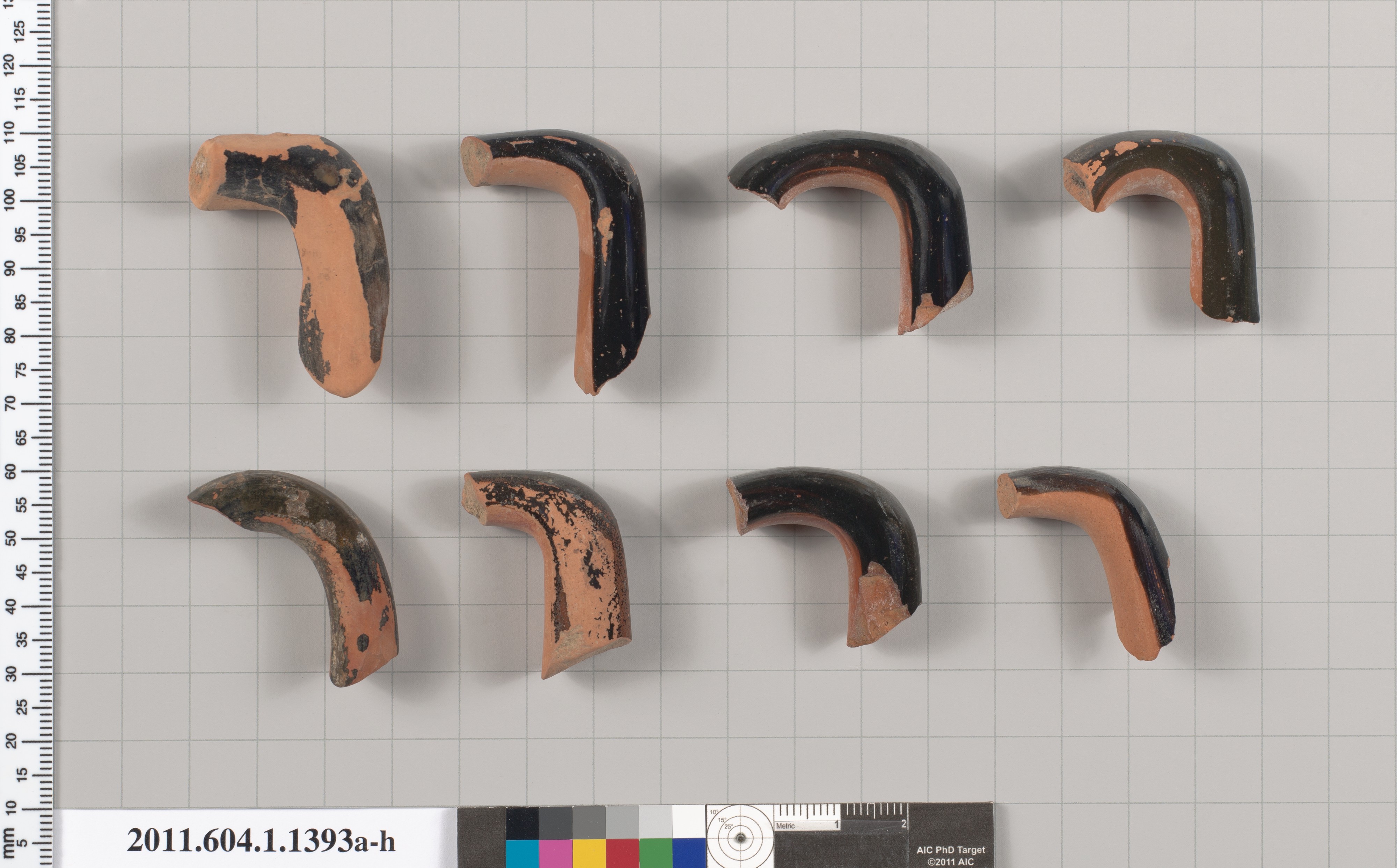
The 2026 Old Money silhouette, as interpreted by Lauren Fashion Heritage Lab, does not emerge from a vacuum of nostalgic opulence but from a rigorous excavation of foundational aesthetic principles. The museum artifact—terracotta fragments of Attic kylikes (drinking cups)—serves as a material and philosophical substrate for this season’s design language. These shards, once vessels for symposium wine, now embody a dual heritage: the Western philosophical tradition of rational transcendence, as exemplified by Socrates’ death, and the Eastern aesthetic of functional emptiness, as articulated in the ceramic tradition of the *Jar*. The 2026 silhouette synthesizes these seemingly antithetical paradigms into a unified expression of quiet power, where the garment’s “void” is as significant as its form, and where the wearer’s presence is defined not by display but by the deliberate, philosophical absence of excess.
The Terracotta Fragment as a Philosophical Artifact
The Attic kylix, in its fragmented state, is a palimpsest of meaning. Originally a vessel for communal drinking—a ritual of both pleasure and philosophical discourse—its broken edges now speak to the transience of material culture. This aligns directly with the Socratic dialectic: the cup, like the body, is a temporary container. In Plato’s *Phaedo*, Socrates argues that the philosopher’s life is a preparation for death, a liberation of the soul from the prison of the flesh. The kylix, shattered, becomes a metaphor for this liberation. Its fragments are not ruins of failure but artifacts of transcendence. For the 2026 silhouette, this translates into a design philosophy where seams are visible, hems are raw, and the garment’s construction is laid bare. This is not a sign of decay but of heritage transparency—a refusal to hide the labor and logic of creation. The Old Money aesthetic, in this iteration, rejects the illusion of effortless perfection in favor of an honest, almost archaeological, presentation of craft.
Eastern Emptiness and the Silhouette’s Negative Space
Simultaneously, the terracotta fragment evokes the Eastern ceramic tradition of the *Jar*, where the vessel’s utility derives from its emptiness. Laozi’s *Tao Te Ching* states: “We shape clay into a pot, but it is the emptiness inside that holds whatever we want.” This principle of functional void is the structural core of the 2026 silhouette. The garments are not constructed to cling or to flatter in the conventional sense; instead, they are designed to create volumes of air—draped shoulders, billowing sleeves, and unconstructed backs that allow the fabric to exist independently of the body. The terracotta fragment’s curvature, its interior space, becomes a pattern for a jacket’s armhole or a coat’s collar. The negative space within the garment is not an absence but a presence—a quiet, dignified void that the wearer inhabits rather than fills. This is the antithesis of the “logomania” and body-conscious silhouettes of previous decades. The 2026 Old Money wearer does not demand attention; they create a field of presence through the garment’s emptiness.
From Symposium to Sartorial Ritual: The Kylix as a Design Motif
The kylix’s form—a shallow bowl on a slender stem, often decorated with scenes of symposium—offers specific design cues. The low, wide bowl translates into the generous lapel of a double-breasted blazer, a shape that frames the torso without constricting it. The slender stem becomes the narrow, structured waist of a coat, creating a visual anchor that grounds the voluminous upper body. The painted scenes on the kylix—often depicting athletes, philosophers, or gods—are replaced by subtle, tonal embroidery or jacquard weaves that reference classical motifs without overt representation. This is not about copying antiquity but about translating its structural logic into modern tailoring. The terracotta’s earthy, oxidized hues—burnt sienna, ochre, and deep umber—form the season’s color palette, grounding the garments in a sense of geological time. These are not colors of fashion but of excavation.
The Synthesis: Rational Transcendence Meets Aesthetic Emptiness
The 2026 silhouette resolves the dialectic between Socrates’ transcendence and the Jar’s emptiness. The garment’s structure—its seams, its darts, its linings—represents the rational framework that allows for philosophical contemplation. The wearer, like Socrates, is not trapped by the garment but liberated by its logic. The garment’s void—its drape, its volume, its air—represents the Eastern acceptance of impermanence. The fabric will wrinkle; the silhouette will shift; the wearer will move. This is not a flaw but a feature. The Old Money aesthetic, in this reading, is not about static wealth but about dynamic presence. It is a form of sartorial meditation, where the act of dressing becomes a ritual of both intellectual clarity and spiritual release. The terracotta fragment, broken yet whole in its meaning, is the perfect emblem: it is both a relic of a rational symposium and a vessel for the void.
Conclusion: The 2026 Silhouette as a Philosophical Garment
In conclusion, the terracotta fragments of Attic kylikes are not mere decorative inspiration for the 2026 Old Money silhouette. They are the philosophical armature upon which the entire collection is built. The silhouette’s visible construction echoes the Socratic imperative to examine life; its voluminous emptiness echoes the Taoist wisdom of the vessel. The wearer of this silhouette is not a consumer of fashion but a practitioner of a heritage aesthetic—one that understands that true luxury lies not in accumulation but in the conscious, deliberate use of space and structure. As Socrates drank the hemlock with calm, and as the Jar holds its emptiness with grace, so too does the 2026 garment hold the wearer in a state of poised, philosophical being. This is the ultimate expression of Old Money: not the display of wealth, but the quiet, assured mastery of existence.