The Eternal Present: Terracotta, Temporality, and the Architecture of Old Money Silhouettes for 2026
I. Introduction: The Hermeneutics of the Fragment
The Lauren Fashion Heritage Lab’s internal genetic code, drawn from a Zen temple plaque bearing the *Udumbara* flower and a still-life painting titled *Jar*, presents a profound aesthetic paradox: how does material form capture the immaterial flow of time? The plaque, with its carved petals emerging from the wood grain, arrests the “moment of blooming” into a perpetual now. The painting, with its hollow vessel, captures the “moment of containing” as an eternal presence. Both artifacts argue that beauty is not a distant horizon but a depth of attention directed at the present object.
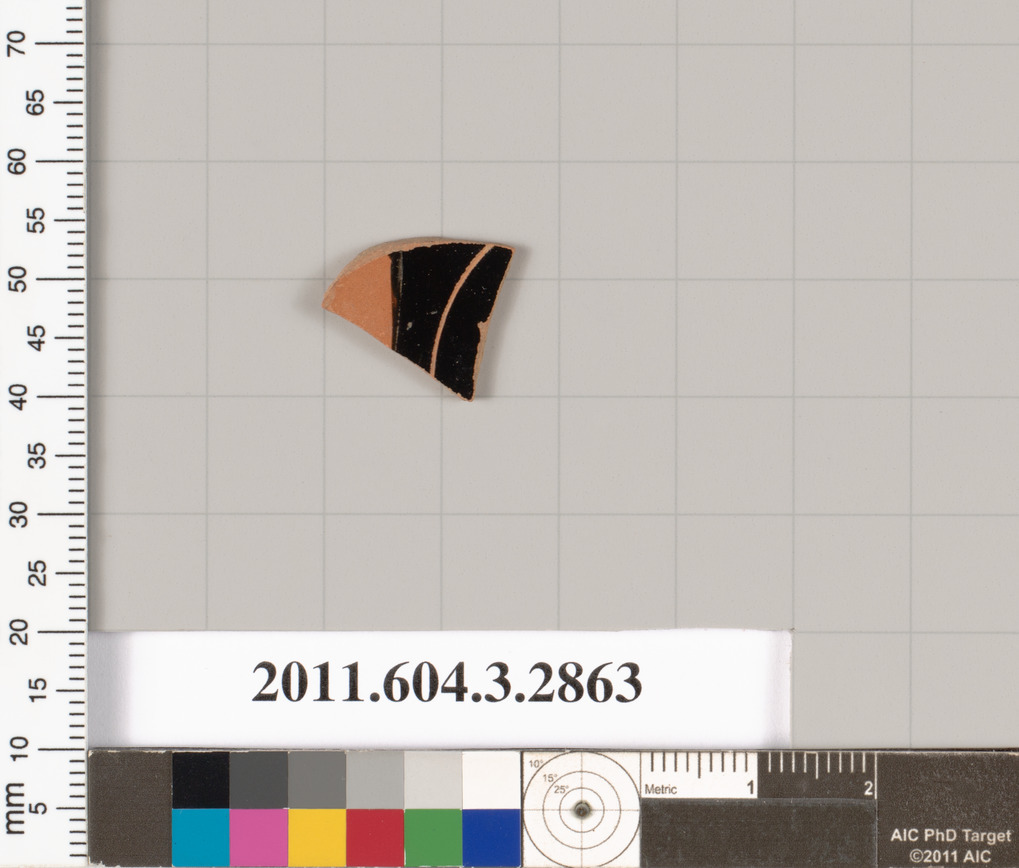
This paper argues that the museum artifact—a terracotta fragment of a closed shape from Attic Greece—serves as the critical third term in this dialectic. Unlike the plaque’s carved permanence or the painting’s illusionistic void, the terracotta fragment is a ruin of time. It is a broken vessel, its interior exposed, its surface scarred by millennia. Yet, precisely through its incompleteness, it offers the most potent lesson for the 2026 Old Money silhouette: that true luxury is not the preservation of a pristine surface, but the patina of duration—a material history that cannot be faked. This fragment, when translated into fashion, demands a silhouette that is simultaneously monumental and eroded, structured and yielding, a garment that wears its own history as a form of quiet authority.
II. The Terracotta Fragment: A Grammar of Absence and Presence
The Attic terracotta fragment—a shard from a *lekythos* or *amphora*—is not a complete object. Its “closed shape” suggests a vessel that once held oil, wine, or funerary offerings. What remains is a curve, a rim, a handle stub. The interior is now visible, a raw, unglazed surface that was never meant to be seen. This is the aesthetic of the archaeological cut. The fragment does not deny time; it embodies it. The broken edge is not a flaw but a narrative incision, a window into the object’s biography.
For the 2026 Old Money silhouette, this translates into a sartorial logic of strategic incompleteness. The garment must not be a perfect, sealed envelope. Instead, it should feature deliberate interruptions: a raw hem that suggests a cut, a seam that is slightly exposed, a lining that peeks out from a cuff. These are not signs of carelessness but of curated archaeology. The wearer is not displaying a new garment but a vessel of lived time. The terracotta’s porous surface—its ability to absorb and reflect light unevenly—demands fabrics that do the same. Think of a heavy, unbleached linen that catches shadows, or a double-faced cashmere where the reverse side is intentionally visible. The color palette must be earthy and mineral: the deep ochre of fired clay, the ash-grey of ancient pottery, the black of Attic slip. These are not colors that shout; they are colors that have settled.
III. The Udumbara and the Jar: Two Models of Temporal Capture
The Zen plaque offers the model of instantaneous eternity. The flower is carved at the precise moment of opening, frozen in wood. This translates into a silhouette that is sculptural and arrested. A coat with a strong, defined shoulder that does not move; a skirt that falls in a single, unbroken column. This is the architecture of the monument. The *Jar* painting, by contrast, offers the model of hollow presence. The vessel’s interior is unseen but felt. This translates into garments with internal volumes: a coat with a deep, hidden pocket; a dress with a lining of a contrasting, secret color; a jacket cut with a subtle, internal drape that suggests an unseen fullness. The wearer’s body becomes the “unpainted” content of the jar.
The terracotta fragment synthesizes these two models. It is both a monument (its surviving curve is a solid, enduring form) and a hollow (its broken interior reveals an empty space). The 2026 Old Money silhouette must therefore be a fragmentary monument. It must possess the gravitas of the plaque’s carved flower—a strong, clear line—but also the revelatory emptiness of the jar. This is achieved through asymmetrical closures, unexpected cutouts, and layered volumes that suggest a garment that is both complete and in the process of being unearthed.
IV. The 2026 Silhouette: A Hermeneutic of the Broken Vessel
Concretely, this heritage research artifact informs the following key elements for the 2026 Old Money collection:
1. The Shoulder as a Rim: The terracotta fragment’s rim is its most defining feature—a clean, turned edge that defines the vessel’s opening. For the silhouette, this translates into a strong, defined shoulder that is not padded but molded. Think of a jacket where the shoulder seam is slightly extended and rolled, like the lip of an ancient pot. This creates a sense of containment and authority. The shoulder is not aggressive; it is architectural.
2. The Torso as a Vessel: The garment’s torso must feel hollow and inhabited. This is achieved through generous, unconstructed draping that does not cling to the body but surrounds it. A coat cut with a slight A-line, falling from the shoulder, creates a sense of internal volume. The fabric should have a dry, matte finish, like unglazed terracotta. Wool flannel, heavy linen, or a dense, brushed cotton are ideal. The silhouette should not be slim; it should be ample but controlled, like a vessel that holds a precious, unseen liquid.
3. The Hem as a Broken Edge: The most radical translation of the terracotta fragment is the asymmetrical or raw hem. A coat that is longer in the back, with a front hem that is cut at an angle, mimics the broken edge of the shard. This is not a “deconstructed” look in the postmodern sense; it is an archaeological look. The hem suggests a garment that has been partially unearthed, its original form lost to time. This is the ultimate expression of Old Money: a garment that looks as if it has always existed, and will continue to exist, even as it erodes.
4. The Interior as a Secret: Following the *Jar*’s logic, the interior of the garment must be treated with the same care as the exterior. A coat might have a contrasting, raw-silk lining in a deep, burnt orange or a faded terracotta pink. A jacket might have exposed seams that are bound with a contrasting thread. The wearer, and only the wearer, knows the hidden richness within. This is the essence of quiet luxury: the secret that does not need to be displayed.
V. Conclusion: The Patina of the Present
The terracotta fragment, the Udumbara plaque, and the *Jar* painting converge on a single truth: the eternal is not found in the untouched, but in the deeply touched. The fragment’s broken edge is not a loss; it is a gain in meaning. The 2026 Old Money silhouette must therefore reject the tyranny of the new. It must embrace the patina of the present—the crease, the fade, the slight fray. These are not imperfections; they are inscriptions of time. The garment becomes a vessel for the wearer’s own biography, a fragment that will one day be unearthed by future eyes. The flower has already bloomed. The jar is already full. The shard is already whole. The garment is already eternal.