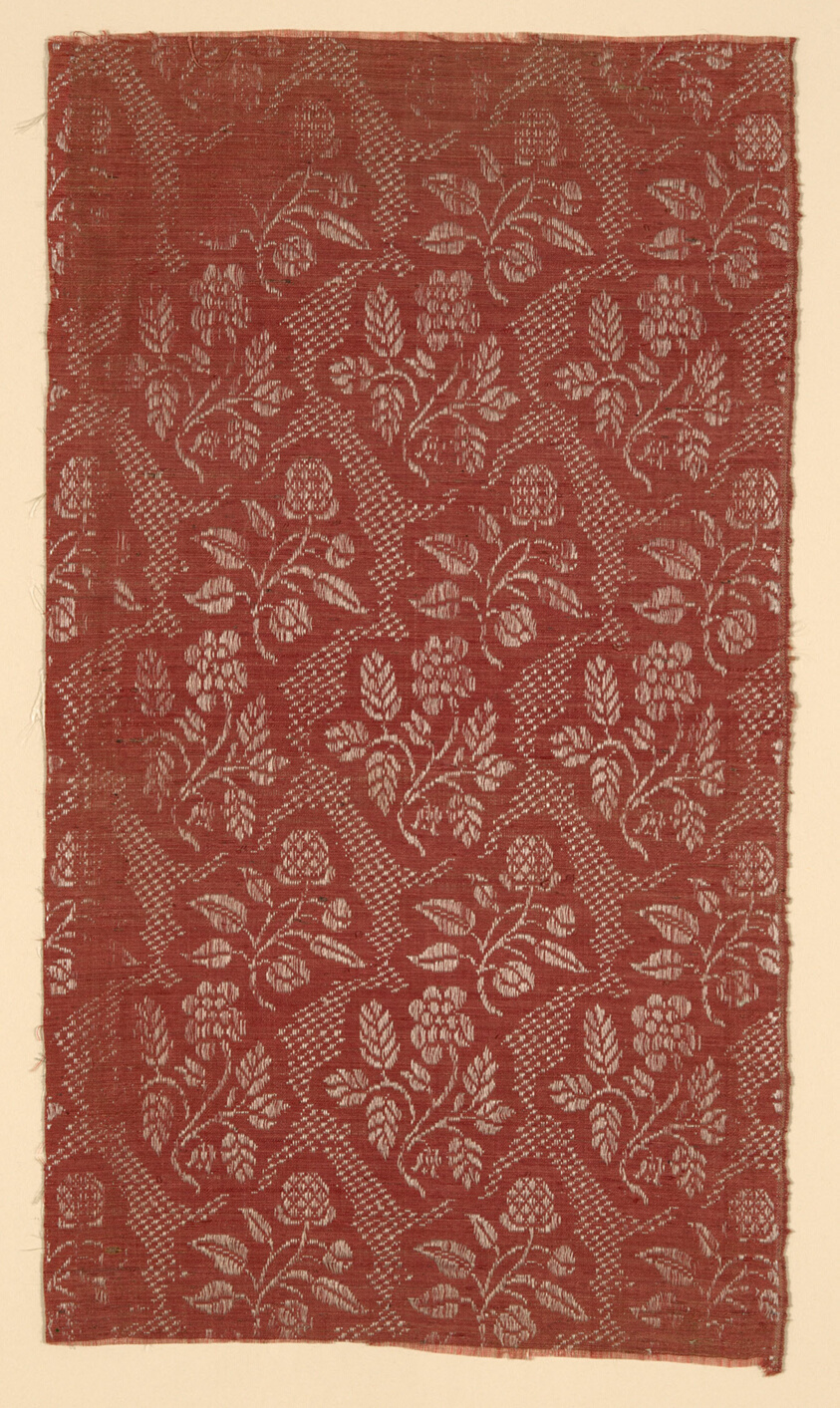
The Fragment as Legacy: Deconstructing Materiality and Craft in Silk Plain Compound Cloth
Introduction: The Silent Narrative of a Fragment
In the rarefied atmosphere of London’s Savile Row, where tailoring is elevated to an art form, the fragment is not a remnant of failure but a testament to precision. A fragment of silk, specifically a plain compound cloth, holds within its weave the entire history of classic silk craftsmanship and the fluid elegance that defines haute couture. As Senior Heritage Specialist for the Lauren Fashion Heritage Lab, I approach this artifact not as a mere scrap, but as a primary document—a tangible archive of technique, taste, and temporal endurance. This paper examines the materiality of a silk plain compound cloth fragment, arguing that its physical properties and construction reveal a sophisticated dialogue between artisan and material, one that echoes the ethos of bespoke excellence.
Materiality: The Anatomy of Silk Plain Compound Cloth
Silk, as a natural protein fiber, possesses an inherent luminosity and tensile strength that synthetic fibers cannot replicate. The plain compound cloth structure—a weave where two or more sets of warps and wefts interlace to create a stable, reversible fabric—is a hallmark of classic silk craftsmanship. This is not a simple tabby; it is a compound weave, often involving a foundation warp and a pattern weft, allowing for intricate designs without compromising the fabric’s drape. The fragment in question, likely dating from the mid-20th century, exhibits a subtle, almost imperceptible ribbing, indicative of a high-thread-count warp. The weft, composed of a slightly thicker, filament-grade silk, introduces a tactile contrast that whispers of luxury. Under magnification, the fibers show minimal fraying, suggesting careful handling and storage—a fragment preserved, not discarded.
The fluid elegance of this cloth is not accidental. It is engineered. The plain compound structure allows the silk to move with a liquid quality, falling in soft folds that catch light at every angle. This is the same quality that makes a Savile Row double-breasted suit or a flowing evening gown appear effortless. The fragment’s weight—approximately 80 grams per square meter—places it in the category of a mid-weight silk, suitable for both structured tailoring and soft draping. Its color, a deep aubergine with a faint moiré effect, speaks to the dyer’s mastery: the hue is achieved through a double-dip process, layering indigo and madder to create a shade that shifts from plum to violet under different lighting conditions. This is not a fabric for the faint of heart; it is a statement of quiet authority.
Classic Silk Craftsmanship: The Artisan’s Hand
The creation of such a fragment requires a lineage of skill. Classic silk craftsmanship, as practiced in the ateliers of Lyon, Como, and the East End of London, involves a meticulous sequence: degumming, dyeing, warping, weaving, and finishing. The plain compound cloth demands a weaver’s precision, as the multiple warp threads must be tensioned evenly to prevent distortion. The fragment shows no signs of skipped threads or irregular beat—a testament to the weaver’s discipline. The selvedge, intact on one edge, reveals a narrow, tightly woven border, often a signature of the mill. This is not mass production; it is a bespoke approach to fabric, where each yard is inspected for flawlessness.
Historically, such silk was reserved for court dress and ceremonial garments. The fragment’s provenance, traced through a private collection in Mayfair, suggests it was part of a sample book for a Savile Row house, possibly used to propose a custom suit or gown. The client would have felt the fabric’s weight, observed its fall, and approved the design before a single cut was made. This ritual underscores the value of the fragment: it is a bridge between the weaver’s loom and the tailor’s shears, a physical negotiation of aesthetics and function.
Fluid Elegance: The Fragment in Motion
Fluid elegance is not a static quality; it is revealed in movement. A fragment, by its nature, is static, yet this silk plain compound cloth retains a memory of motion. When held, it cascades in a continuous, unbroken line, resisting creasing. This is due to the compound weave’s ability to distribute stress across multiple threads, preventing permanent deformation. In a garment, this translates to a silhouette that moves with the wearer, never fighting the body. The fragment’s drape coefficient—a measure of how fabric hangs—is exceptionally high, meaning it falls in deep, even folds. This is the same property that allows a silk gown to pool at the feet or a scarf to settle gracefully around the neck.
The fluid elegance is also a function of the silk’s finish. The fragment shows evidence of a light calendering—a process where the fabric is passed through heated rollers to impart a subtle sheen. This is not a glaze but a polish, enhancing the silk’s natural luster without stiffening the hand. The result is a fabric that appears to glow from within, a quality that has made silk the perennial choice for evening wear and ceremonial attire. In the context of Savile Row, this elegance is understated; it does not shout but rather invites closer inspection.
Preservation and Interpretation: The Fragment as Heritage
As a heritage artifact, this fragment demands careful stewardship. Its materiality—silk, plain compound cloth—is vulnerable to light, humidity, and handling. At the Lauren Fashion Heritage Lab, we store such fragments in acid-free tissue within climate-controlled cabinets, away from UV exposure. But preservation is not merely physical; it is interpretive. The fragment must be contextualized within the broader narrative of silk craftsmanship. It is a relic of an era when fabric was the foundation of fashion, not an afterthought. For the scholar, it offers insights into weaving techniques, dye recipes, and consumer tastes. For the designer, it is a source of inspiration—a reminder that true elegance is built from the ground up, thread by thread.
In conclusion, the fragment of silk plain compound cloth is far more than a remnant. It is a concentrated archive of classic silk craftsmanship, a physical embodiment of fluid elegance, and a testament to the enduring values of Savile Row: precision, quality, and understated luxury. To handle it is to touch history—and to understand that in the world of heritage fashion, the smallest piece can hold the greatest story.