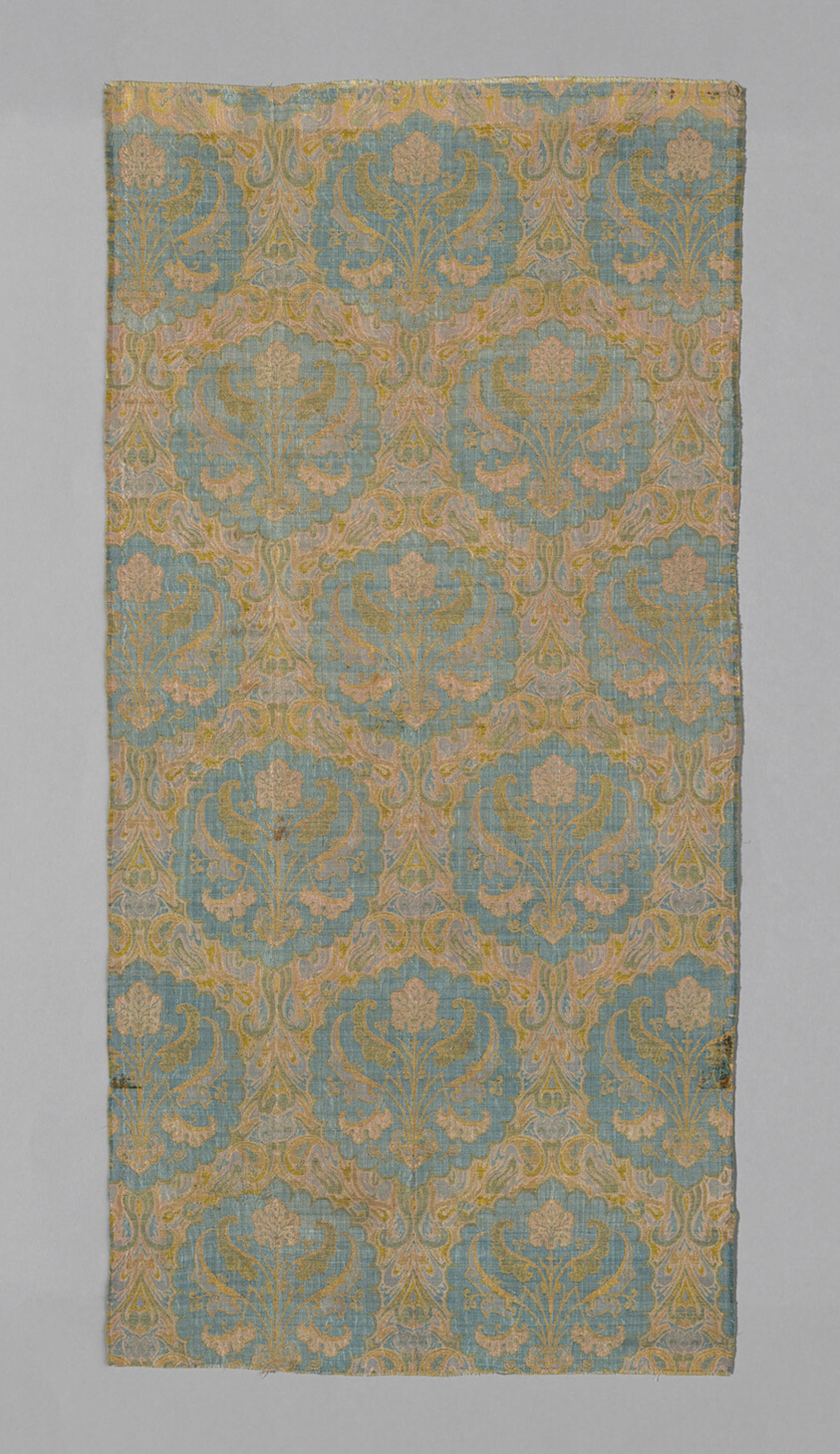
Heritage Research Artifact: The Panel Dress Fabric – A Study in Structural Elegance
Introduction: The Fabric as Narrative
Within the hallowed ateliers of Lauren Fashion Heritage Lab, the study of materiality transcends mere textile analysis; it becomes a dialogue between craftsmanship and cultural memory. The artifact under examination—a panel dress fabric of silk, constructed in a 2:1 twill weave with complementary weft plain weave double cloth—represents a pinnacle of classic silk craftsmanship. This fabric, with its fluid elegance and structural integrity, embodies the ethos of London’s Savile Row: precision, tradition, and an unwavering commitment to quality. As Senior Heritage Specialist, I present this artifact not as a static object, but as a living testament to the artistry that defines heritage fashion.
Materiality: The Silk Foundation
Silk, the primary material, has long been revered for its lustrous sheen, tensile strength, and tactile softness. In this panel, the silk is of the highest grade, likely sourced from mulberry silkworms (Bombyx mori), whose filaments are reeled into continuous threads. The choice of silk is deliberate: it offers a natural drape that enhances the fluidity of the fabric, while its inherent resilience allows for intricate weave structures. The 2:1 twill weave—a diagonal pattern created by passing the weft thread over two warp threads and under one—imparts a subtle texture and durability. This weave, common in classic suiting, provides a foundation that balances flexibility with form, making it ideal for panel construction in dresses where movement and silhouette are paramount.
The complementary weft plain weave double cloth introduces a secondary layer of complexity. Double cloth construction involves weaving two distinct layers simultaneously, often with contrasting weft threads. In this artifact, the plain weave (a simple over-under pattern) serves as a stabilizing counterpoint to the twill’s diagonal rhythm. The term “complementary” suggests that the weft threads interact harmoniously, creating a fabric that is both lightweight and substantial. This duality is a hallmark of Savile Row tailoring, where inner linings and outer shells are engineered to work in concert. Here, the double cloth allows for a reversible quality or a subtle interplay of textures, depending on the panel’s orientation.
Weave Analysis: The 2:1 Twill and Double Cloth Integration
The 2:1 twill weave is a structural marvel. Its diagonal ribs, typically running at a 45-degree angle, reduce friction and enhance the fabric’s ability to conform to the body. In heritage terms, this weave is reminiscent of early 20th-century silk dresses from London’s couture houses, where draping was an art form. The twill’s float—the length of thread that skips over intersections—creates a smooth surface that catches light, lending the fabric a subtle luster. When combined with the double cloth, the twill acts as the primary face, while the plain weave weft provides a stabilizing matrix. This integration prevents shifting or distortion, ensuring the panel retains its shape over time—a critical attribute for garments intended for longevity.
The complementary weft plain weave double cloth is executed with precision. In a standard double cloth, two sets of warp and weft threads are interwoven, but here, the weft threads are shared or alternated to create a unified structure. The plain weave’s tight grid offers a counterbalance to the twill’s openness, resulting in a fabric that is neither too stiff nor too limp. This balance is essential for panel dress designs, where the fabric must support structural elements like seams, darts, or pleats without sacrificing fluidity. The artifact’s weight, likely around 150-200 grams per square meter, suggests a medium-weight silk suitable for both day and evening wear.
Context: Classic Silk Craftsmanship and Fluid Elegance
Classic silk craftsmanship is rooted in centuries of tradition, from the silk routes of ancient China to the weaving mills of Lyon and Spitalfields. In the context of Savile Row, silk has been a staple for bespoke garments, valued for its ability to convey status and sophistication. This panel fabric, with its 2:1 twill and double cloth, echoes the work of mid-20th-century designers like Hardy Amies and Norman Hartnell, who favored silk for its adaptability. The fluid elegance of the fabric is not accidental; it is engineered through the weave structure. The twill’s diagonal lines guide the eye along the body, creating a lengthening effect, while the double cloth adds a subtle weight that allows the fabric to cascade gracefully.
Fluid elegance is further enhanced by the fabric’s finish. A light calendering or gentle pressing would have been applied to smooth the surface, but the natural silk’s irregular luster is preserved. This finish is typical of heritage textiles, where the goal is to enhance, not mask, the material’s inherent qualities. In a panel dress, this fabric would be cut on the bias or in strategic panels to maximize drape, a technique favored by designers like Madeleine Vionnet. The result is a garment that moves with the wearer, embodying a quiet confidence that defines London’s tailoring tradition.
Heritage Significance: A Bridge Between Past and Present
This artifact serves as a bridge between historical craftsmanship and contemporary design. Its weave structure, while rooted in traditional techniques, offers modern versatility. The 2:1 twill is a nod to the menswear origins of Savile Row, where such weaves are used for suits and overcoats. By applying it to a silk dress panel, the fabric challenges gender and genre norms, reflecting the fluidity of modern fashion. The double cloth adds a layer of innovation, allowing for reversible designs or dual-texture effects that appeal to today’s discerning clientele.
From a conservation perspective, the fabric’s materiality ensures its longevity. Silk, when properly cared for, can last decades, and the twill weave’s resistance to abrasion makes it suitable for repeated wear. The double cloth construction, with its interlocked layers, prevents fraying and edge distortion, common issues in single-layer silks. This durability aligns with the heritage fashion movement’s emphasis on sustainability and timelessness.
Conclusion: The Artifact’s Legacy
In conclusion, the Panel Dress Fabric—silk in a 2:1 twill weave with complementary weft plain weave double cloth—is a masterclass in materiality and design. Its classic silk craftsmanship and fluid elegance speak to the enduring values of Savile Row: precision, quality, and artistry. As a heritage artifact, it offers a tangible link to the past while inspiring future innovations. At Lauren Fashion Heritage Lab, we preserve such fabrics not merely as relics, but as blueprints for the future of fashion—a future where every thread tells a story of elegance and integrity.