The Dialectics of Restraint and Abundance: Terracotta Fragments, Tang Dynasty Equine Iconography, and the Architecture of Old Money Silhouettes for 2026
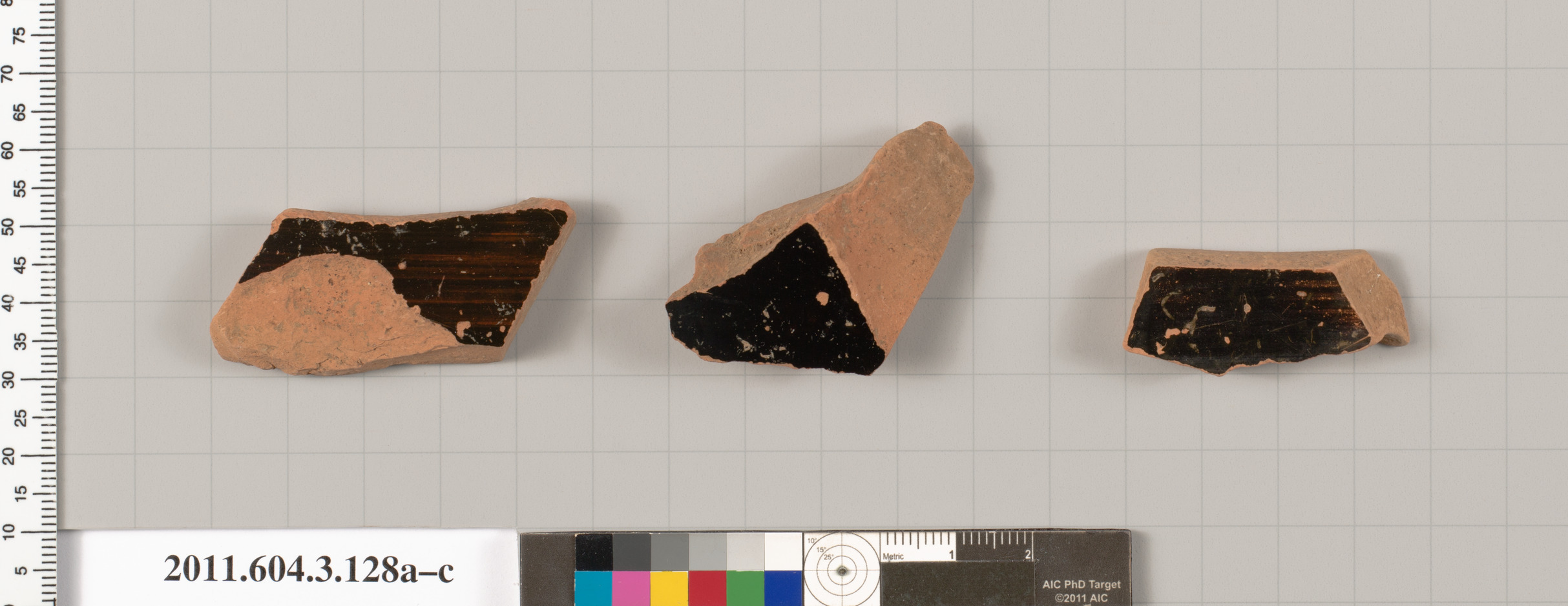
The Lauren Fashion Heritage Lab’s internal genetic code identifies a profound aesthetic polarity within the Chinese canon: Han Gan’s Night Shining White (c. 750 CE) and Yun Shouping’s Hundred Flowers Scroll (c. 1680 CE). The former is a monochrome symphony of tensile energy and cosmic void; the latter, a chromatic hymn to terrestrial plenitude. When this dialectic is placed in dialogue with the museum artifact—terracotta fragments of Attic amphorae—a third term emerges: the architecture of classical restraint. These Greek shards, bearing the earthy memory of olive oil and wine, are not merely decorative remnants. They are tectonic markers of a civilization’s commitment to proportion, to the containment of vitality within form. For the 2026 Old Money silhouette, this triadic conversation yields a design philosophy of disciplined opulence—a silhouette that harnesses the raw energy of Han Gan’s horse, the sensuous abundance of Yun Shouping’s petals, and the structural gravity of Greek pottery, all within the austere lexicon of heritage black.
I. The Terracotta Imperative: Structure as Silence
The Attic amphora fragments, with their warm ochre hues and incised geometric bands, speak a language of measured containment. Unlike the fluid, unbounded energy of the Night Shining White or the organic sprawl of the Hundred Flowers, the amphora’s form is a vessel—a boundary that defines and concentrates its contents. The terracotta’s fired clay, porous yet resilient, embodies a material philosophy of endurance through restraint. For Old Money aesthetics, this translates into a silhouette that prioritizes architectural shoulders, defined waistlines, and structured volumes. The 2026 collection must not drape; it must enclose. The terracotta’s fragmentary state—broken yet legible—further suggests a narrative of inherited permanence. A garment that appears “fragmentary” in its construction, perhaps through pieced panels or exposed seams, evokes the patina of lineage. The color palette, drawn from the amphorae’s terracotta body, is not the vibrant red of Yun Shouping’s peonies but a muted, earthy black—a black that has absorbed centuries of kiln smoke and soil, a black that is not absence but concentrated presence.
II. The Han Gan Tension: Kinetic Energy in a Static Frame
Han Gan’s Night Shining White is a study in dynamic stasis. The horse, tethered to a post, strains against its bonds. The tension between its muscular, forward-leaning body and the rigid vertical of the pillar creates a visual field of immense psychological force. This is the paradigm of the Old Money silhouette: a garment that suggests immense latent power held in perfect check. The 2026 silhouette borrows this equine tension through tailoring that is both severe and voluminous. A double-breasted overcoat, cut from a dense heritage-black wool, might feature a high, rigid collar that frames the neck like a yoke, while the fabric falls in a single, unbroken column to the ankle. The shoulders are broad but not padded—they are constructed, like the amphora’s rim, to assert a clear boundary. The waist is cinched not by a belt but by the garment’s own internal architecture, creating a silhouette that is both powerful and contained. The “steed” of the wearer’s body is thus harnessed by the garment’s form, echoing the horse’s tether. The result is a silhouette of controlled aggression, where every line suggests a potential for movement that is deliberately, elegantly deferred.
III. The Yun Shouping Flourish: Ornament as Subtlety
Where Han Gan’s aesthetic is one of abstraction and tension, Yun Shouping’s Hundred Flowers offers a counterpoint of sensuous detail. His “boneless” technique—painting without outlines, allowing color to define form—creates a surface of continuous, undulating richness. For the 2026 Old Money silhouette, this translates into ornamentation that is felt rather than seen. The heritage-black fabric, whether a dense cashmere or a matte silk faille, must possess a tactile complexity. A subtle jacquard weave might echo the veining of a peony petal; a hand-embroidered thread, barely perceptible against the black ground, traces the arc of a plum blossom branch. This is not the loud ornament of fast fashion but the whispered opulence of a Yun Shouping scroll—an opulence that rewards close inspection. The silhouette itself, while architecturally severe, might soften at the hem or cuff with a liquid, petal-like drape, a nod to the “boneless” flow of the painter’s brush. The interplay between the garment’s rigid structure (the amphora, the horse’s tether) and its delicate surface (the flower, the silk) creates a dialectical garment that is both fortress and garden.
IV. Synthesis: The 2026 Old Money Silhouette as Aesthetic Vessel
The 2026 Old Money silhouette, as synthesized from these three sources, is not a single garment but a system of proportions. It begins with the terracotta’s architecture: a strong, defined shoulder line that anchors the entire form. This is followed by the Han Gan tension: a torso that is fitted but not restrictive, suggesting the coiled energy of the tethered horse. Finally, the Yun Shouping flourish appears in the details—a lining of deep crimson silk, a hand-painted floral motif on the interior of a cuff, a subtle texturing of the black wool that catches the light like a petal’s sheen. The color remains heritage-black, but it is a black that contains multitudes: the black of Han Gan’s ink, the black of kiln-fired clay, the black of a midnight garden where only the most discerning eye can discern the bloom. This silhouette is a vessel for lineage, a container for the wearer’s own history and potential. It is, in essence, an amphora for the self—fired in the kiln of classical tradition, painted with the brush of dynastic memory, and tethered to the post of timeless elegance. The 2026 Old Money silhouette is not a trend; it is a philosophical artifact, a wearable meditation on the enduring dialogue between power and grace, structure and sensuality, the cosmic and the terrestrial.