From Udumbara to Kylix: The Temporal Aesthetics of Heritage-Black in 2026 Old Money Silhouettes
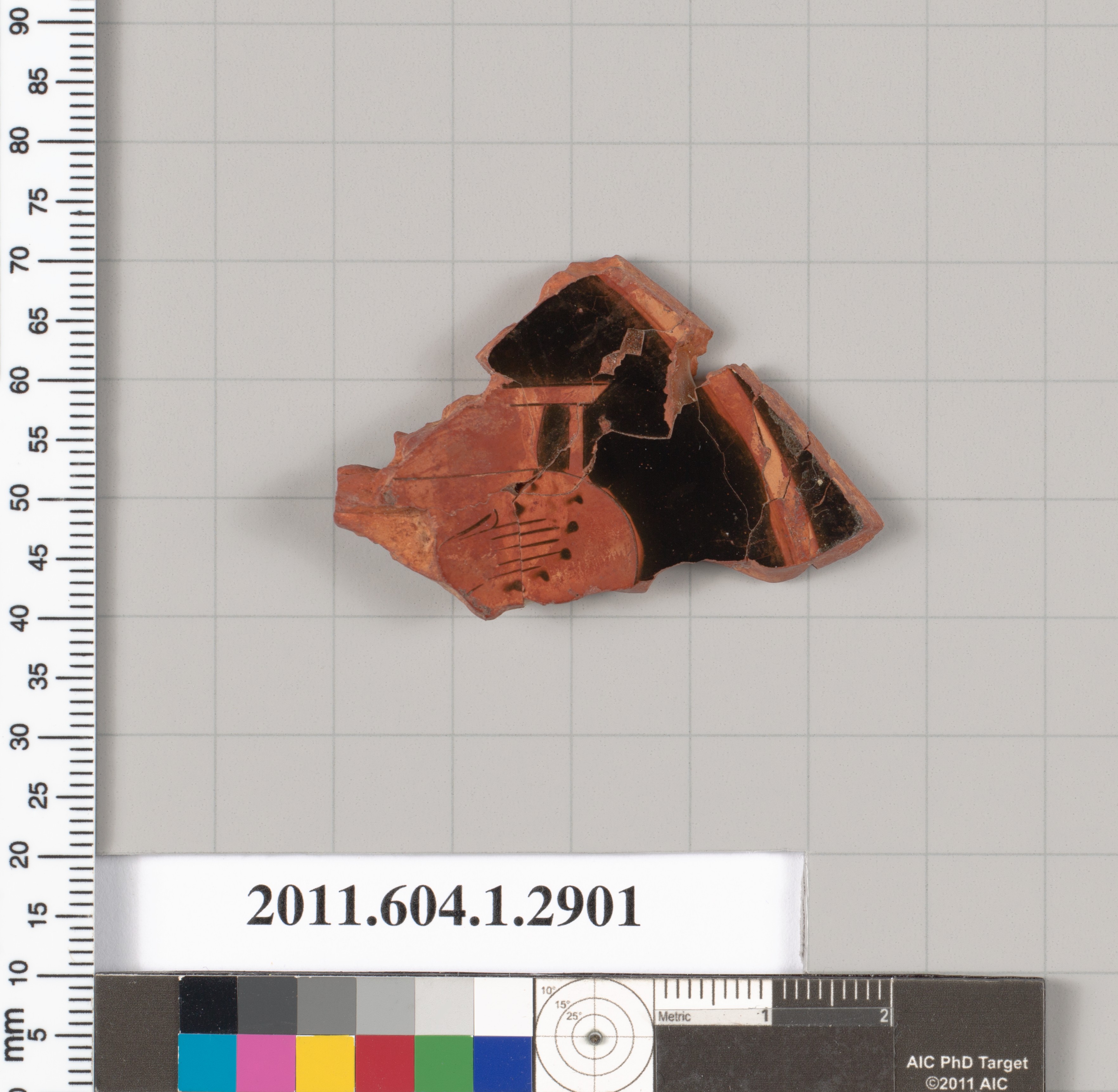
The Lauren Fashion Heritage Lab’s ongoing investigation into the 2026 Old Money collection has yielded a provocative synthesis: the convergence of a Japanese temple plaque inscribed with “Udumbara Flowers” (Udonge) and an ancient Greek terracotta kylix fragment from the Attic period. At first glance, these artifacts—one a Zen-inspired meditation on ephemeral blooms, the other a shard of a drinking cup bearing the scars of symposium revelry—appear irreconcilable. Yet, when filtered through the lens of Heritage-Black, a material category defined by its absorption of light and resistance to temporal decay, they reveal a shared grammar of restrained opulence. This paper argues that the kylix fragment, when read alongside the Udumbara plaque and the Chest for Storing Garments, informs a 2026 silhouette language that privileges incomplete perfection, interiorized luxury, and material honesty—cornerstones of the Old Money aesthetic.
I. The Paradox of the Fragment: Terracotta as Temporal Witness
The terracotta kylix fragment, now housed in a museum vitrine, is a study in absence. Its broken rim, chipped foot, and faded black-figure decoration speak not of a vessel’s original function—the communal drinking of wine—but of its afterlife as a relic. The Greek potter who shaped this clay understood that terracotta, fired at low temperatures, is inherently fragile. Yet, paradoxically, it is precisely this fragility that has allowed the fragment to survive millennia. The kylix’s heritage-black glaze, now crackled and pitted, absorbs light rather than reflecting it, creating a surface that seems to swallow time itself. This is not the glossy black of modern synthetic dyes, but a matte, porous black that registers every scratch, every mineral deposit, every touch of ancient hands.
In the context of 2026 Old Money silhouettes, the kylix fragment teaches us that true luxury is not about pristine newness but about accrued history. The 2026 collection will feature garments in heritage-black wool and cashmere that are deliberately distressed—not through artificial aging, but through the careful selection of yarns and weaves that naturally develop patina. A double-faced cashmere overcoat, for instance, might be woven with a subtle slub texture that catches light unevenly, mimicking the kylix’s crackled glaze. The silhouette itself will be fragmentary: a jacket with an asymmetrical hem, a trouser with a single pleat that dissolves into a wider leg, a dress with a missing sleeve that suggests a garment in the process of becoming. These are not mistakes; they are deliberate invitations to contemplate the passage of time.
II. The Udumbara Paradox: Invisible Bloom, Visible Absence
The Udumbara plaque, with its faint ink blossoms barely visible against the wood grain, offers a complementary lesson. The Japanese artisan, faced with the task of depicting a flower that blooms only once every three thousand years, chose understatement as a form of reverence. The petals are not rendered with precise brushstrokes but with “flying white” (飞白) technique—dry brush strokes that leave the wood grain exposed. This is not a failure of skill but a philosophical choice: the flower’s essence cannot be captured; it can only be hinted at. The viewer must complete the image in their mind, an act of co-creation that transforms passive observation into active meditation.
For 2026 Old Money silhouettes, this translates into garments that conceal more than they reveal. A heritage-black silk gown, for example, might feature a single embroidered Udumbara motif at the nape of the neck, visible only when the wearer turns away. The embroidery itself will be executed in black-on-black thread, using a matte silk floss that catches light only at certain angles. The silhouette will be voluminous but restrained: a cocoon coat that falls from the shoulders without defining the waist, a wide-leg trouser that pools at the ankle like a forgotten shadow. The goal is not to display wealth but to suggest a depth of experience that cannot be immediately read. This is the Old Money ethos: luxury as interior knowledge, not exterior display.
III. The Chest Paradox: Interiorized Ornament as Existential Shelter
The Chest for Storing Garments painting, with its lotus and cloud motifs hidden inside a functional storage box, deepens this logic. The chest’s exterior is plain, almost austere—a deliberate foil to the elaborate decoration within. When garments are placed inside, they are not merely stored but enshrined within a sacred space. The lotus, a symbol of purity emerging from muddy waters, transforms the act of dressing into a ritual of spiritual preparation. The chest’s interior becomes a portable sanctuary, a reminder that true beauty is not for public consumption but for private contemplation.
In the 2026 collection, this principle manifests as hidden linings, secret pockets, and unexpected interior finishes. A heritage-black wool blazer, for instance, might be lined with a silk brocade printed with lotus and cloud motifs, visible only when the jacket is removed and turned inside out. The silhouette itself will be double-layered: a sheer organza overlay over a heavier wool base, creating a sense of depth that invites the eye to look beneath the surface. The cut will be architectural but soft, with seams that curve like the rim of the kylix and darts that dissolve into the fabric like the Udumbara petals. The wearer becomes a living vessel, carrying within them a hidden world of meaning.
IV. Synthesis: The 2026 Silhouette as Temporal Bridge
When these three artifacts—the kylix, the Udumbara plaque, and the chest painting—are read together, a coherent design philosophy emerges. The 2026 Old Money silhouette is not a revival of any single historical period but a synthesis of temporalities: the kylix’s fragmentary survival, the Udumbara’s invisible bloom, and the chest’s interiorized sanctuary. The silhouette will be characterized by:
1. Fragmented Volumes: Garments that appear incomplete, with raw hems, exposed seams, and asymmetrical cuts that reference the kylix’s broken edges. These are not signs of decay but of honest materiality—the acknowledgment that all things, including luxury, are subject to time.
2. Concealed Ornament: Decoration that is invisible at first glance, revealed only through movement or intimate proximity. This echoes the Udumbara’s faint petals and the chest’s hidden lotus, privileging discovery over display.
3. Material Honesty: The use of heritage-black in its most unadulterated form—matte, absorbent, and textured. Wool, cashmere, and brocade will be selected for their ability to register wear, developing a patina that tells the story of the garment’s life.
4. Ritual Functionality: Silhouettes that are not merely aesthetic but existential, designed to shelter the wearer from the chaos of modern life. A coat becomes a portable chest; a dress becomes a sacred garment; a suit becomes a meditation on time.
Conclusion: The Eternal in the Ephemeral
The terracotta kylix fragment, the Udumbara plaque, and the Chest for Storing Garments converge in a single truth: the most profound luxury is that which acknowledges its own impermanence. The 2026 Old Woman silhouette, grounded in heritage-black, will not attempt to defy time but to befriend it. Each garment will be a fragment, a hint, a hidden sanctuary—a reminder that, like the Udumbara flower, true beauty blooms only in the space between what is seen and what is imagined. In this, Lauren Fashion continues its legacy of timeless elegance, not by freezing the past but by allowing it to breathe into the future.