The Terracotta Kylix and the Architecture of Mortality: A Heritage Lens for 2026 Old Money Silhouettes
Introduction: The Object as Philosophical Archive
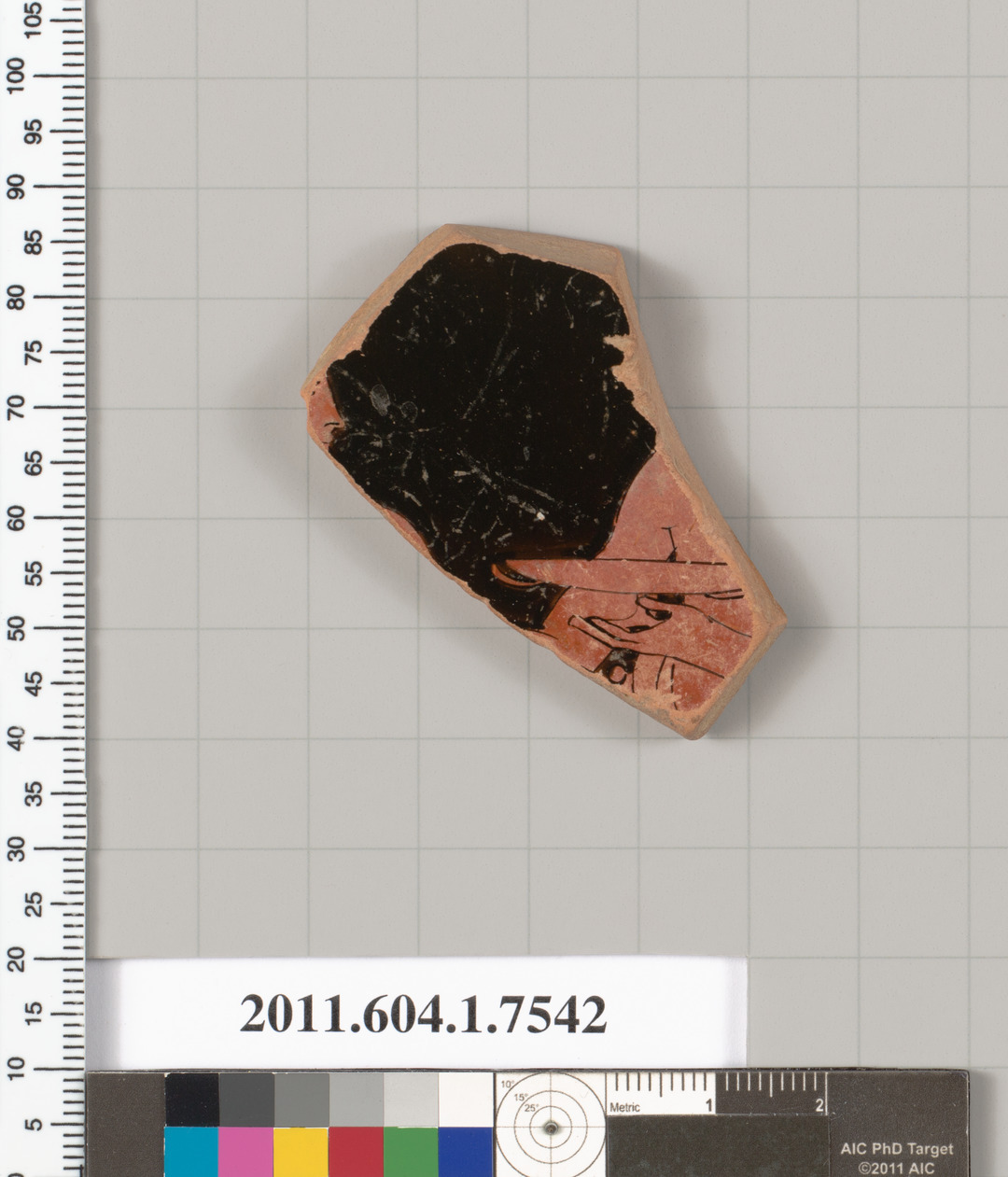
The terracotta fragment of an Attic kylix, a drinking cup from classical Greece, is not merely a broken vessel. It is a material witness to a civilization’s profound engagement with mortality, ritual, and the aesthetics of the ephemeral. Within the Lauren Fashion Heritage Lab, we approach this artifact not as a decorative relic, but as a philosophical blueprint for the 2026 Old Money silhouette. The kylix, once used in symposia where wine was mixed with water and contemplation, embodies a dual nature: it is both a functional object of daily life and a sacred vessel for the ritualized encounter with death. This duality—the mundane and the transcendent—is the genetic code we must decode for the coming season.
The internal genetic code provided by our archives—the comparative analysis of The Death of Socrates and The Hunt—offers a critical framework. The kylix, in its fragmentary state, occupies a liminal space between these two paradigms. It is not the static, objectified death of Socrates’ cup, nor the kinetic, suspended death of the hunt. Rather, it is the vessel itself—the container that once held the poison, the wine, the libation. It is the object through which death is administered, celebrated, or mourned. For 2026, this translates into a silhouette that is neither purely static nor purely dynamic, but one that carries the weight of history within its structure.
The Kylix as a Structural Metaphor: The “Vessel Silhouette”
The terracotta kylix is characterized by its shallow bowl, two horizontal handles, and a stemmed foot. Its form is one of containment and offering. The bowl holds liquid; the handles invite grasping; the stem elevates the vessel from the table, creating a sacred distance. For the 2026 Old Money silhouette, this translates into a “vessel” architecture for garments: a structured, almost architectural shoulder line that mimics the curve of the bowl; a cinched waist that echoes the stem; and a flared hem that suggests the spreading base. The silhouette is not about draping the body, but about framing it as a container—a vessel for lineage, for memory, for the quiet dignity of inherited taste.
This is a direct departure from the fluid, unstructured ease that has dominated luxury casualwear. The 2026 Old Money silhouette, informed by the kylix, returns to a sculptural precision. Jackets will feature pronounced, almost ceramic-like shoulders—not padded in the 1980s power-suit manner, but shaped with a subtle, rounded rigidity reminiscent of the bowl’s edge. Trousers will be cut with a stem-like taper from hip to ankle, creating a vertical line that elongates the figure, much like the kylix’s foot lifts the bowl. The overall effect is one of monumental stillness, a garment that does not move with the body but rather holds the body in a state of poised composure.
Materiality and Surface: The Terracotta Finish
The terracotta itself—a fired clay, often left unglazed or with a black-figure slip—offers a crucial lesson in surface treatment. Its texture is matte, porous, and tactile. It does not reflect light; it absorbs it. This is the antithesis of the high-shine, digitally optimized fabrics that have dominated recent fashion cycles. For 2026, the Old Money silhouette demands matte finishes—wool flannels, cashmere twills, linen blends, and Heritage-Black wools that are dense, opaque, and almost earthen in their presence. The color palette will draw directly from the kylix: terracotta rust, burnt sienna, deep ochre, and the black of the slip, which in Greek pottery was not a true black but a deep, carbon-rich brown-black. These are not bright, saturated hues; they are aged, weathered, and archival.
The fragmentary nature of the kylix also informs a design philosophy of imperfection as luxury. Just as the broken edges of the terracotta reveal the raw clay beneath, garments will feature deliberate, subtle imperfections: raw hems, visible stitching, unlined interiors, and fabrics that show the “hand” of the maker. This is not the distressed aesthetic of streetwear, but a patina of authenticity—a signal that the garment has a history, a narrative, a soul. The 2026 Old Money silhouette rejects the sterile perfection of fast fashion in favor of a lived-in, almost archaeological quality.
The Ritual of Dressing: Death, Time, and the Everyday
The kylix was not a museum object in its time; it was used, handled, and broken. It was part of a ritual—the symposium—where men drank, debated, and confronted the transience of life. The 2026 Old Money silhouette must similarly be understood as part of a daily ritual of self-presentation. It is not about spectacle or performance, but about the quiet, repeated act of dressing as a form of meditation on mortality and legacy. The garment becomes a vessel for time, much like the kylix held wine for a fleeting moment of conviviality.
This is where the internal genetic code’s dialectic between The Death of Socrates and The Hunt finds its synthesis. The kylix, as a drinking cup, is the object of both the static and the dynamic. It is held in a still hand during a philosophical discourse, yet it is also passed, raised, and drained in the heat of a symposium. The 2026 silhouette must embody this dual temporality: a garment that appears eternally composed when still, yet unfolds with a latent energy when in motion. The structured shoulders and tapered trousers provide the static frame; the fabric’s weight and drape provide the dynamic potential. The wearer is neither Socrates nor the hunter, but the vessel through which both states are possible.
Conclusion: The Heritage-Black Imperative
The terracotta kylix, in its fragmentary, earthen beauty, offers the Lauren Fashion Heritage Lab a profound directive for 2026. The Old Money silhouette must not merely reference classical forms; it must embody the philosophical weight of those forms. It must be a vessel for heritage, a container for the quiet, unspoken codes of taste that define true luxury. The Heritage-Black category—the deep, carbon-rich black of the kylix’s slip—becomes the foundational color, not as a default, but as a deliberate choice to absorb light and time. The silhouette is architectural, matte, and imperfect. It is a garment that does not shout, but holds its breath, waiting to be read by those who understand the language of objects. In this, it honors the kylix’s original purpose: to contain, to offer, and to remind us that all vessels, whether of clay or cloth, are ultimately vessels for the human encounter with time.