← BACK TO ARCHIVES
Heritage-Black
Heritage Synthesis: Terracotta fragment of a kylix (drinking cup)
Curated on Jun 23, 2026 // Node: LDN-01
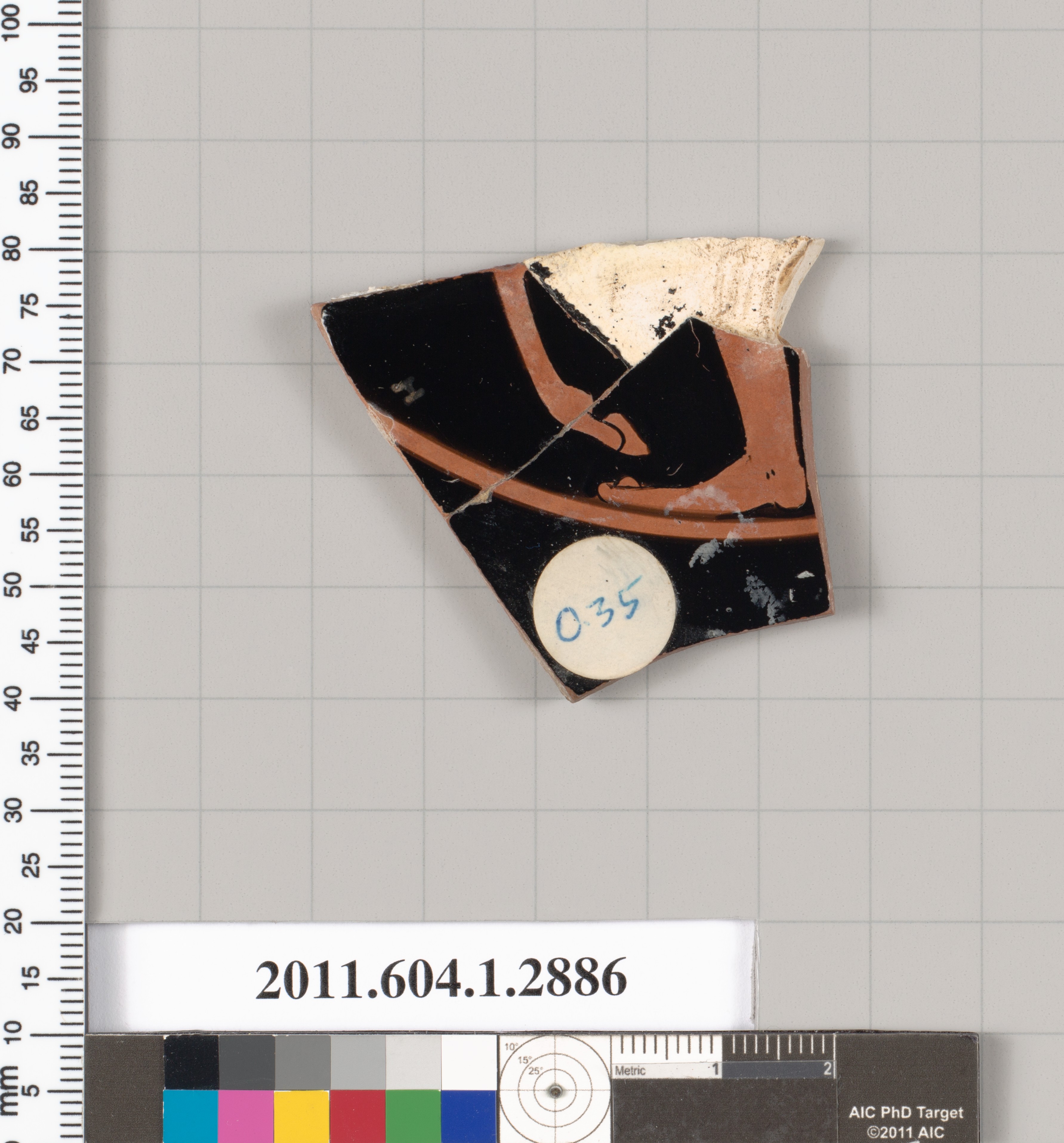
From Libation to Lineage: The Terracotta Kylix as a Genealogical Blueprint for 2026 Old Money Silhouettes
The internal genetic code of Lauren Fashion Heritage Lab, as articulated through the dialectical pairing of the Shang dynasty *Cup with Dragon Handles* and the ancient Near Eastern *Head of a ruler*, posits a fundamental thesis: that power is rendered legible through the aesthetic conquest of chaos. The *Cup with Dragon Handles* embodies “the sacralization of function,” while the *Head of a ruler* represents “the embodiment of divinity.” Together, they forge a visual order that transforms transient authority into eternal form. The museum artifact under present scrutiny—a **Terracotta fragment of a kylix (drinking cup) from Greek Attica**—offers a third, equally potent term in this aesthetic dialectic. This humble shard of fired clay, a relic of sympotic ritual, does not merely echo the power of the Shang bronze or the Near Eastern ruler; it reframes it for a modern sensibility. For the 2026 Old Money silhouette, this fragment is not a source of literal ornament but a masterclass in the architecture of understated authority—a grammar of proportion, patina, and restraint that speaks to a lineage of taste rather than a declaration of wealth.
The Kylix as a Vessel of Social Architecture
The Attic kylix, in its complete form, was a shallow, two-handled drinking cup used in the *symposion*—the elite male drinking party that was the crucible of Athenian social, political, and philosophical life. Its design was a triumph of functional elegance. The broad, shallow bowl allowed the wine to breathe; the delicate stem elevated the cup for a graceful grip; the two horizontal handles facilitated passing among reclining participants. The terracotta material, fired to a warm, earthy orange-red, was not a sign of poverty but of a sophisticated technological and aesthetic choice. It was the canvas for black-figure or red-figure decoration, scenes of myth, athletics, and daily life that served as conversational prompts and status markers.
Crucially, the kylix’s form encodes a specific social dynamic. Unlike the Shang *Cup with Dragon Handles*, which is a singular, vertical object of ritual display, the kylix is horizontal, relational, and communal. Its power lies not in the solitary act of holding but in the choreography of passing, pouring, and drinking in concert. The two handles are not merely functional grips; they are architectural invitations to connection. This is a power of *inclusion* and *shared ritual*, a stark contrast to the hierarchical, singular authority of the *Head of a ruler*. The kylix’s aesthetic is one of *measured conviviality*—a space where authority is negotiated through shared experience, not imposed through static iconography.
Patina as a Signifier of Inherited Taste
For the 2026 Old Money silhouette, the most profound lesson from the kylix fragment is its *patina*. The fragment is not pristine; it is chipped, worn, and discolored by centuries of burial. This is not a flaw but a feature. In the lexicon of heritage aesthetics, patina is the ultimate marker of authenticity. It signals that an object has been lived with, passed down, and valued across generations. It is the antithesis of the new, the shiny, and the mass-produced.
The 2026 Old Money silhouette must therefore embrace a similar philosophy of *inherited imperfection*. This translates into a preference for fabrics and finishes that age gracefully and tell a story. Think of a heavy, undyed linen that softens and creases with wear; a cashmere that develops a subtle halo after decades of careful use; a wool herringbone tweed whose weave reveals its complexity only upon close inspection. The color palette should be drawn from the earth—terracotta, ochre, slate, and ivory—echoing the fired clay of the kylix. These are not “trend colors” but foundational hues that have been part of the human aesthetic vocabulary for millennia. The silhouette itself should avoid aggressive tailoring. Instead, it should favor soft, generous cuts that drape like a well-worn garment, not a stiff, new one. The goal is to appear as though the suit, the coat, or the dress has been in the family for generations, its form perfected by time and use, not by a single season’s fashion.
Proportion, Restraint, and the Architecture of the Shoulder
The kylix’s design is a masterclass in proportion. The ratio of the bowl’s diameter to its depth, the delicate stem to the solid base, the handles’ curve to the vessel’s overall arc—all are calibrated for visual and functional harmony. There is no excess, no superfluous decoration. The power of the object is entirely in its *structure*.
This principle of *structural restraint* must define the 2026 Old Money silhouette. The shoulder, for instance, should not be exaggerated or padded into a caricature of power, as in the 1980s. Instead, it should be a gentle, natural extension of the torso, perhaps with a subtle roping at the sleeve head that suggests a bespoke tailoring tradition. The lapel should be of a width that is neither narrow nor wide, but *correct* for the jacket’s proportions. The trouser should break with a single, soft fold over the shoe, not a puddle of fabric. Every line should serve the whole; every detail should be a matter of necessity, not novelty. This is the aesthetic of the *Head of a ruler*—not in its literal face, but in its absolute, unyielding commitment to a unified, idealized form. The kylix teaches that true power is not in the ornament but in the invisible mathematics of the cut.
Symposiatic Dressing: The Silhouette as a Social Gesture
Finally, the kylix reminds us that clothing is a social object, not merely a personal one. The symposion was a space of performance, where one’s demeanor, conversation, and even the way one held a cup were markers of *paideia*—cultivated excellence. The 2026 Old Money silhouette must similarly be designed for *social grace*. It should not shout for attention but facilitate ease of movement, allowing the wearer to lean in, gesture, and engage without constraint.
This translates into a silhouette that is *generous without being sloppy*. A double-breasted jacket with a soft, unpadded shoulder allows for a natural, open posture. A wide-legged trouser in a fluid wool-crepe moves with the body, not against it. The silhouette should feel like a second skin, not a suit of armor. It is a power that is confident enough to be comfortable, a lineage that is secure enough to be approachable. This is the kylix’s ultimate gift to the modern wardrobe: the understanding that the most enduring form of authority is not the one that commands from a pedestal, but the one that invites you to recline, to converse, and to share in a ritual of taste that stretches back to the very origins of Western civilization. The terracotta fragment, in its broken, beautiful state, is not a relic of a lost world. It is a blueprint for a future where power is worn with the quiet, unshakeable assurance of a heritage that needs no explanation.
Heritage Lab Insight
Genetic Bridge: Archive node focusing on Heritage-Black craftsmanship.