The Vestigial Eye: Terracotta Fragments and the Architecture of Absence in Old Money Silhouettes
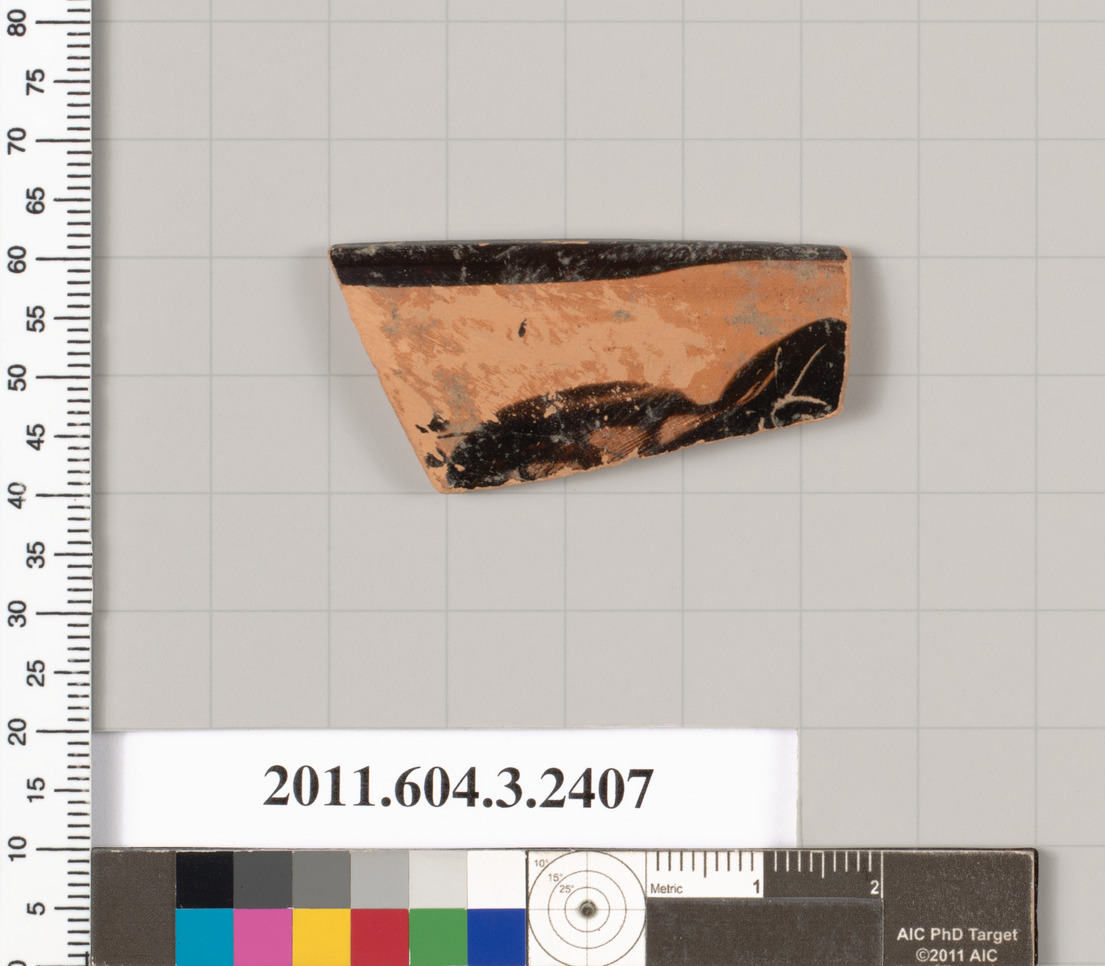
The inheritance of luxury is never a matter of mere accumulation; it is an exercise in distillation. In the hushed corridors of the Lauren Fashion Heritage Lab, we study not only the pristine garment but also the fragment, the shard, the object whose meaning is forged in its incompleteness. The terracotta rim fragment of a Greek Attic kylix—an eye-cup, a drinking vessel—offers a profound, albeit unexpected, lexicon for the 2026 Old Money silhouette. This is not a direct translation of form, but a transference of ethos. The broken cup, with its painted eye staring out from a shattered context, speaks directly to the internal genetic code of our heritage: the aesthetic of the “Udumbara Flower,” the void that signifies presence, and the “Chest for Storing Garments,” the container that holds more than its contents. The 2026 Old Money silhouette, as informed by this artifact, is not about the opulence of the whole, but the authority of the fragment—a silhouette built on the poetics of what is withheld, what is implied, and what is eternally unfinished.
The Eye as a Vestigial Motif: From Vessel to Garment
The primary visual datum of the kylix fragment is the painted eye. In its original context, this eye was apotropaic—a guardian against the evil eye, a protective gaze cast outward from the wine cup. Yet, in its broken state, the eye becomes something else entirely: a vestigial ornament. It no longer functions as a complete protective symbol; it is a remnant of a narrative, a trace of a gaze. For the 2026 Old Money silhouette, this translates into the strategic deployment of singular, potent motifs that are deliberately isolated and decontextualized. We are not speaking of all-over prints or logos. We are speaking of a single, embroidered heraldic crest on the breast of a double-breasted blazer, its threads slightly worn. A solitary, hand-stitched monogram on the interior placket of a cashmere overcoat—visible only when the garment is opened, a secret for the wearer alone. A single, perfectly placed mother-of-pearl button on a cuff, its lustre the only interruption in a sea of matte black wool. Like the eye on the kylix, these motifs are not decorative in the conventional sense; they are signifiers of a lineage that has been interrupted, a story that is only partially told. They are the “Udumbara Flowers” of tailoring—rare, sacred, and present precisely because of their scarcity. The garment, like the fragment, does not shout its narrative; it whispers it through the deliberate placement of a single, watchful detail.
The Architecture of the Rim: Structure, Containment, and the “Chest for Storing Garments”
The kylix fragment is not merely a painted surface; it is a piece of architecture. The rim, the lip, the curve of the bowl—these are structural elements that define the vessel’s capacity to hold. In its broken state, the rim becomes a boundary that contains nothing but the memory of liquid. This directly parallels the philosophy of the “Chest for Storing Garments.” The chest, as an object, is defined by its ability to contain. Its value lies not in what is visible on its exterior, but in the hidden interior—the folded silks, the pressed linens, the accumulated memories. The 2026 Old Money silhouette adopts this principle through its architecture of containment. The silhouette is not about the body’s display, but about the body’s enclosure within a structure of impeccable restraint. Think of the severe, sculptural lines of a Heritage-Black wool coat: a high, standing collar that frames the neck like the rim of a vessel; a double-breasted closure that seals the garment like a lid; a hem that falls with the weight of a stone, grounding the figure. The silhouette is a portable chest, a mobile architecture of privacy. The garment’s interior—the silk lining, the hidden pockets, the hand-finished seams—becomes the true site of luxury, a space of personal treasure that is never fully revealed. The wearer, like the kylix fragment, is a vessel of hidden depth, and the silhouette is the rim that defines the boundary between the public and the sacred.
The Poetics of the Fragment: Incompleteness as a Marker of Authenticity
The most radical lesson of the terracotta kylix fragment is its incompleteness. It is not a whole cup; it is a piece of a cup. In the world of heritage luxury, this incompleteness is not a flaw but a marker of authenticity. A perfectly new, unblemished garment can feel anonymous. A garment that bears the trace of time—a slightly frayed cuff, a mended seam, a faded patch of color—carries the weight of a lived history. The 2026 Old Money silhouette embraces this through the concept of “honorable wear.” This is not about destruction or deconstruction in the punk or avant-garde sense. It is about the subtle patina of use that signals a garment has been inherited, not merely purchased. A cashmere sweater with a mended elbow. A pair of flannel trousers with a slightly worn knee. A tweed jacket with a pocket that has been carefully re-stitched. These are not signs of poverty; they are signs of continuity. They are the equivalent of the broken rim of the kylix—a fragment that tells a story of a whole that once was, and a future that will continue. The silhouette itself is often deliberately unfinished: a raw hem on a silk scarf, an unlined jacket, a shirt with the collar left slightly unbuttoned. This is the aesthetic of the “Chest for Storing Garments” opened just a crack—enough to suggest the vastness within, but never enough to reveal the entire treasure. The eye on the kylix, now broken, no longer watches the world; it watches the absence of the world it once guarded. The 2026 silhouette, in turn, watches the wearer, inviting them to complete the narrative through their own life, their own time, their own silent, sacred acts of wearing.
Synthesis: The Void as the Ultimate Luxury
In the synthesis of the terracotta fragment and our internal heritage code, we arrive at a singular truth for the 2026 Old Money silhouette: luxury is the void. The Udumbara flower blooms in the empty space of the temple plaque. The chest stores garments that are never seen. The kylix holds wine that has long been drunk. The 2026 silhouette is not a statement of presence, but a masterclass in absence. It is the silhouette of the unseen—the garment that does not scream for attention, but commands it through its very silence. The Heritage-Black of the category is not a color; it is the color of the void, the ground upon which all other details become sacred. The silhouette is a vessel for the self, a container for the soul, a fragment of a larger, unfinished story. It is the ultimate expression of Old Money wisdom: that true power is not in what you show, but in what you choose to conceal. The eye on the kylix, broken and silent, still sees. The 2026 silhouette, restrained and incomplete, still speaks. It speaks of a lineage that does not need to prove itself, a wealth that is not displayed, and a beauty that exists only in the space between what is and what is remembered. This is the heritage of the fragment. This is the future of form.