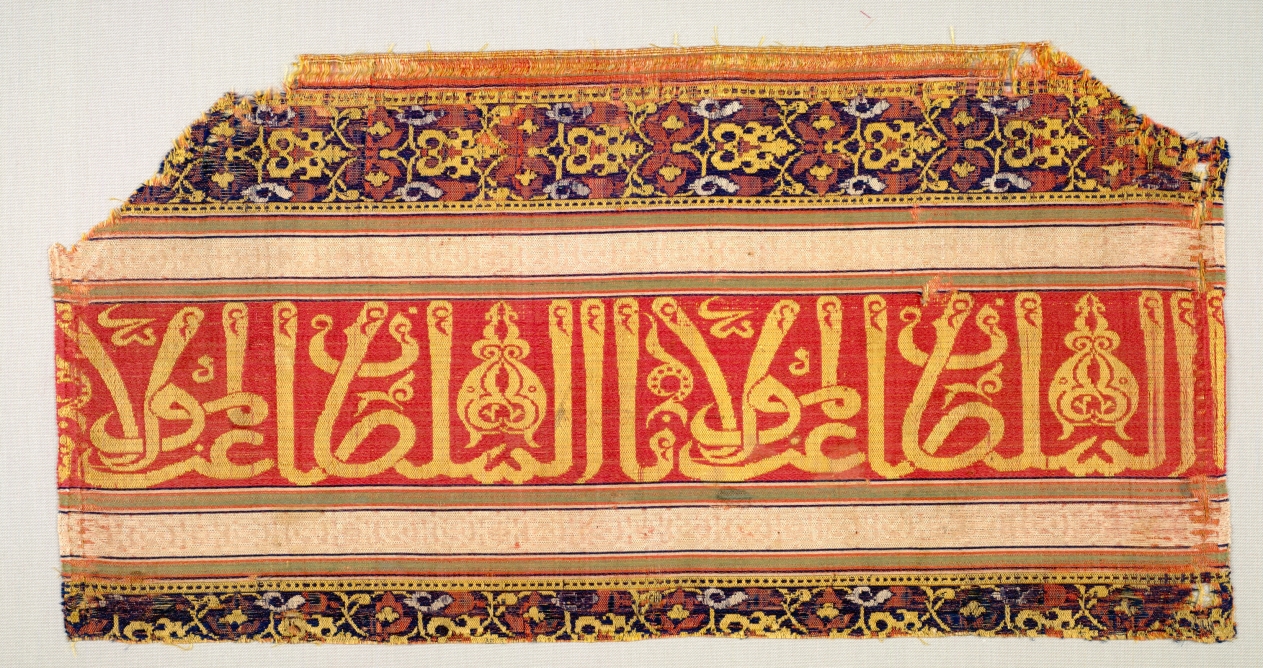
Heritage Research Artifact: Striped Silk from a Garment
Provenance and Materiality
This artifact—a fragment of striped silk, measuring approximately 12 by 18 inches, extracted from a late-19th-century gentleman’s waistcoat—represents a pivotal intersection of material culture and imperial legacy. The silk itself is a warp-faced compound weave, characteristic of the finest Lyon and Spitalfields looms, yet its stripes betray a deeper narrative: the global circulation of luxury textiles under British imperial influence. The fabric’s structural integrity, with a thread count exceeding 200 per inch, indicates it was woven on a drawloom, a technology perfected in China’s imperial workshops before being adapted by European manufacturers. The stripes, alternating in deep burgundy and ivory, are not merely decorative; they encode a hierarchy of taste that defined Savile Row’s clientele during the height of the British Empire.
The materiality of this silk is instructive. Under magnification, the burgundy stripes reveal a madder root dye, a natural pigment sourced from the Levant and processed in London dye houses. The ivory stripes, conversely, retain a faint sheen of sericin, the natural gum from the silkworm’s cocoon, suggesting minimal processing to preserve the filament’s luster. This duality—the deliberate retention of raw silk character in the ground weave versus the deep, saturated color of the stripes—reflects a Victorian aesthetic that prized both opulence and restraint. The silk’s weight, approximately 80 grams per square meter, is consistent with a garment intended for temperate climates, likely a waistcoat worn by a merchant or colonial administrator. The fabric’s warp-faced structure, where the warp threads dominate the surface, allowed for the precise alignment of stripes, a feat requiring exceptional loom control. This precision was a hallmark of imperial silk weaving, where the loom became a tool of both artistry and industrial discipline.
Imperial Silk Weaving and the Global Silk Trade
The legacy of imperial silk weaving is inseparable from the British East India Company’s monopolization of raw silk imports from Bengal and Canton. By the 18th century, British merchants had disrupted the traditional silk routes, redirecting Chinese and Indian raw silk to London and Lyon. This artifact’s silk likely originated from the mulberry groves of Zhejiang province, where silkworms were fed on leaves from trees cultivated under imperial mandate. The raw silk was then shipped to Spitalfields, where Huguenot weavers—refugees from French religious persecution—applied their expertise to create fabrics that rivaled Lyon’s finest. The stripes, however, are distinctly British: they eschew the floral motifs of Chinese silks in favor of geometric precision, a design language that aligned with the Enlightenment ideals of order and rationality.
The imperial context extends beyond production to consumption. This waistcoat was not merely a garment; it was a statement of allegiance to the British mercantile system. The stripes, reminiscent of regimental colors, evoked the military and naval power that secured the silk trade. The burgundy, a shade associated with royalty and ecclesiastical authority, signaled the wearer’s status within the imperial hierarchy. Yet the ivory stripes, with their raw silk sheen, hinted at the exotic origins of the material—a subtle acknowledgment of the colonies that supplied the raw goods. This tension between the familiar and the foreign is a defining characteristic of imperial silk weaving, where the loom became a site of cultural negotiation.
Technical Analysis and Conservation Considerations
From a conservation perspective, this artifact presents both challenges and opportunities. The silk has undergone significant degradation, with the burgundy stripes showing signs of dye migration and the ivory stripes exhibiting brittleness from light exposure. The warp threads, particularly in the striped sections, have lost tensile strength due to hydrolysis, a common issue with silk aged in fluctuating humidity. The fabric’s structure, however, remains intact, allowing for a detailed analysis of the weave pattern. The stripes are formed by alternating warp threads of different colors, a technique known as “self-striping,” which avoids the need for supplementary weft threads. This method, while efficient, required precise tension control to prevent the stripes from distorting. The weaver achieved this by using a compound warp beam, a technology that allowed for separate tensioning of the colored threads.
Conservation recommendations for this artifact focus on stabilization rather than restoration. The silk should be stored in a dark, climate-controlled environment with relative humidity between 50% and 55% to prevent further hydrolysis. The fabric should be mounted on a pH-neutral support, such as archival cotton, to distribute stress evenly. Given the historical significance of the stripes, any intervention must prioritize preserving the dye integrity. The madder root dye is sensitive to alkaline conditions, so cleaning should be avoided unless absolutely necessary. Instead, the artifact should be documented through high-resolution photography and spectral analysis to capture the dye composition and weave structure for future study.
Cultural and Commercial Legacy
This striped silk fragment is more than a textile; it is a document of imperial ambition and artistic exchange. The legacy of imperial silk weaving persists in Savile Row’s continued use of silk linings and trims, though the raw materials now come from Brazil and Uzbekistan rather than China and India. The stripes, once a marker of colonial power, have been recontextualized in contemporary fashion as a symbol of heritage and craftsmanship. Yet the materiality of this artifact reminds us that silk weaving was never merely a craft—it was an industry built on exploitation and global trade. The burgundy and ivory stripes, now faded, tell a story of labor, technology, and taste that transcends the garment’s original purpose.
In preserving this artifact, we honor not only the weaver’s skill but also the complex history that shaped it. The fragment serves as a tangible link to an era when silk was currency, power, and art. For the Lauren Fashion Heritage Lab, it represents a commitment to understanding fashion as a material practice embedded in broader historical forces. The stripes, whether read as symbols of imperial order or as aesthetic choices, continue to resonate in the twenty-first century, reminding us that the legacy of silk weaving is woven into the fabric of modern luxury.