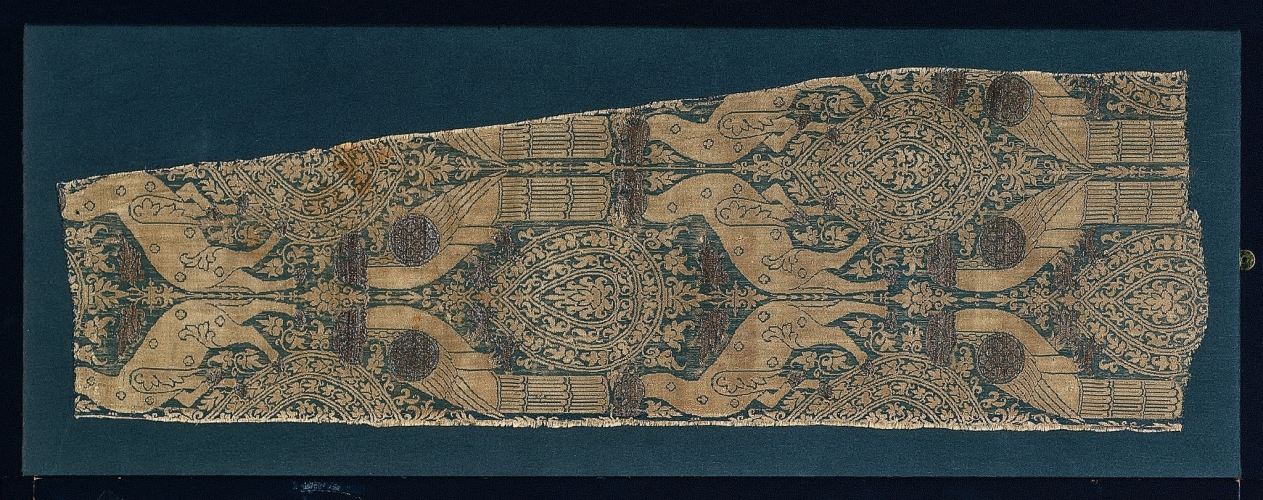
The Avian and the Animal: Silk as a Conduit of Imperial Power and Naturalistic Expression
In the hallowed ateliers of London’s Savile Row, where the cut of a jacket is a matter of honour and the weight of a fabric speaks volumes before a single stitch is made, we understand that materiality is not merely a physical property—it is a narrative. Silk, in its imperial legacy, is the most eloquent of narrators. This heritage research artifact examines the profound relationship between parrots, animals, and silk, specifically within the context of imperial silk weaving. It is a study of how the loom, guided by the hand of master weavers, transformed the exotic and the wild into a language of status, power, and aesthetic refinement.
The Imperial Loom: Silk as a Medium of Dominion
The legacy of imperial silk weaving, from the Ming and Qing dynasties to the Byzantine and Ottoman courts, is one of controlled luxury. Silk was not simply a textile; it was a currency of power, a diplomatic gift, and a marker of divine right. The materiality of silk—its lustre, its ability to hold the most saturated dyes, its whisper against skin—made it the perfect canvas for depicting the natural world. However, this was not a natural world observed in the wild. It was a curated, symbolic nature, where every creature carried a weight of meaning. The parrot, with its vivid plumage and ability to mimic human speech, was a particular favourite. In Chinese imperial silks, the parrot often represented fidelity and longevity, while in European interpretations, it signified exoticism, wealth, and the reach of colonial trade. The silk itself, with its warp and weft, became a map of imperial ambition.
Parrots in Silk: The Exotic as Ornament
Consider a late 18th-century French silk panel, woven in Lyon for the court of Louis XVI. Here, a parrot perches amidst a cascade of floral motifs—roses, peonies, and chrysanthemums. The bird is rendered with meticulous detail: its beak, a curve of gold thread; its eye, a tiny knot of jet; its feathers, a gradient of emerald and sapphire achieved through a complex combination of warp- and weft-faced satin weaves. The materiality of silk is essential to this illusion. The high twist of the silk thread catches the light differently on each feather, creating a shimmering, almost living effect. This is not a naturalistic study in the manner of Audubon; it is a symbol of the court’s ability to command the world’s riches. The parrot, a creature from distant colonies, is woven into the very fabric of European power. The silk, in its weight and drape, reinforces this message: it is a fabric that demands deference.
Animals and Allegory: The Silk Menagerie
Beyond the parrot, the imperial silk menagerie included dragons, phoenixes, lions, and deer—each with a specific allegorical function. In a Qing dynasty imperial robe, the twelve symbols of sovereignty—including the dragon, the pheasant, and the axe—are woven into the silk with such precision that the motifs appear to float on the surface. The materiality of silk here is not merely decorative; it is structural. The use of gold-wrapped silk thread (golden thread) adds a third dimension, catching the light and creating a sense of movement. The animal forms are not static; they writhe and soar across the fabric, embodying the cosmic order that the emperor was meant to uphold. The silk, with its inherent strength and flexibility, allows for this dynamic interplay. It is a fabric that can hold the weight of empire without buckling.
The Savile Row Perspective: Craft, Conservation, and the Modern Heirloom
From the vantage of Savile Row, where we tailor for a clientele that values lineage as much as line, the study of imperial silk weaving is not an academic exercise. It is a lesson in the enduring power of materiality. When we handle a fragment of 17th-century Chinese silk—a piece that once adorned a mandarin’s court robe—we feel the same tension between fragility and permanence. The silk, if not properly conserved, will shatter. Yet, it has survived centuries. This paradox is at the heart of our practice. We are custodians of a tradition that demands we respect the material’s history while adapting it for contemporary use. The parrot, the animal, the silk—they are not relics. They are references. In a bespoke silk velvet smoking jacket, we might echo the parrot’s plumage with a subtle jacquard pattern. In a silk-lined overcoat, we might reference the weight and drape of an imperial robe. The legacy is not in the replication of motifs, but in the understanding of what silk can do: it can command a room, it can tell a story, and it can endure.
Conclusion: The Unbroken Thread
The heritage of imperial silk weaving, with its parrots and animals, is a testament to the human desire to capture the world in a thread. Silk, as a material, is uniquely suited to this task. Its lustre, its strength, its ability to hold colour and form—these are not accidental properties. They are the result of millennia of refinement, from the silkworm’s cocoon to the weaver’s loom. For the scholar, the collector, and the tailor, the lesson is clear: the material is the message. When we wear silk, we wear the legacy of empires, the artistry of generations, and the wild beauty of the natural world. The parrot, forever perched on a branch of silk, reminds us that luxury is not about excess. It is about meaning. And in the hands of a master, silk becomes the most meaningful of all fabrics.