From Attic Fragments to Old Money Silhouettes: The Terracotta Kylix as a Paradigm of Enduring Form
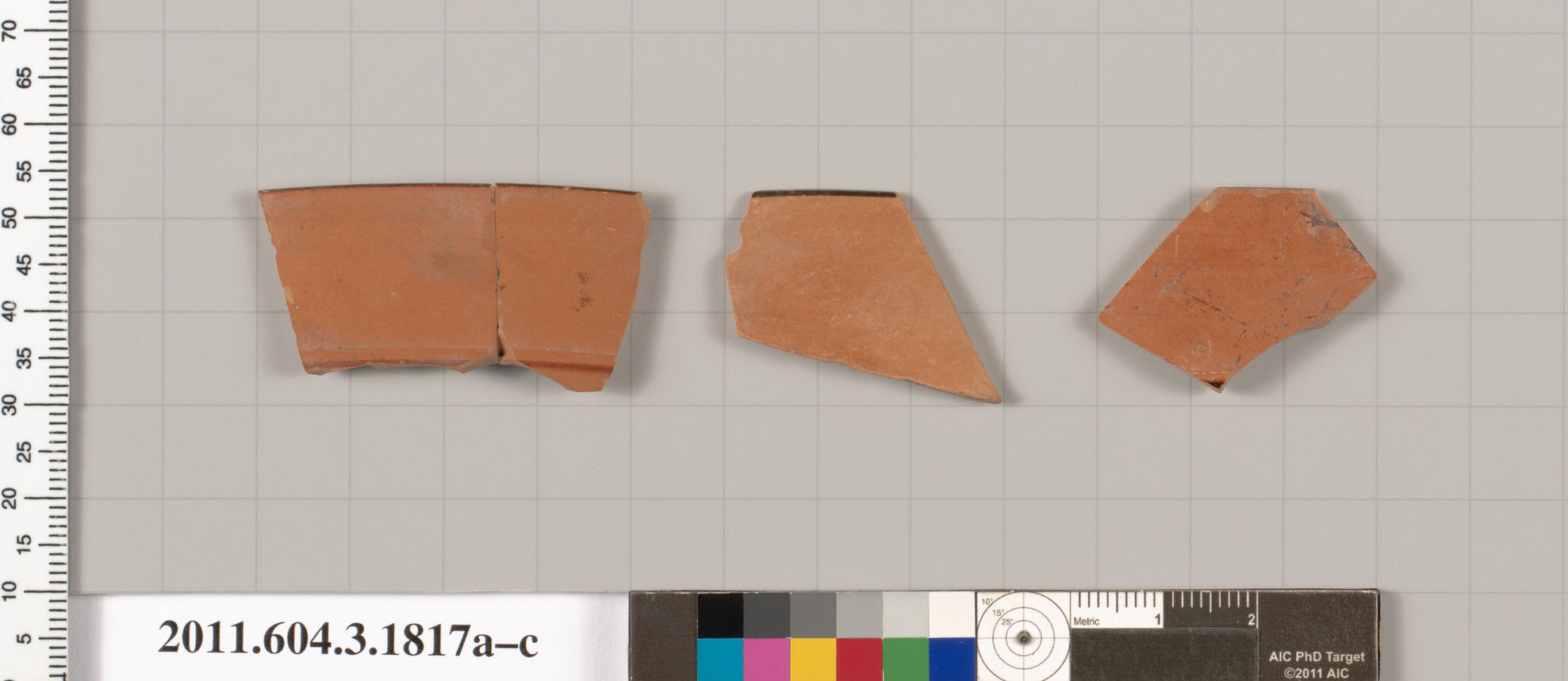
The recent acquisition of a terracotta rim fragment from an Attic lip cup—a humble drinking vessel known as a kylix—by the Lauren Fashion Heritage Lab presents a profound opportunity to re-examine the foundational aesthetics of the 2026 Old Money silhouette. This fragment, bearing the faint traces of black-figure decoration, is not merely an archaeological curiosity; it is a philosophical artifact that encodes a dialectic between presence and absence, utility and transcendence. As we synthesize this museum artifact with our internal genetic code—the juxtaposition of Socrates’ rational death and the Eastern jar’s silent void—we uncover a heritage narrative that directly informs the structural logic of Lauren’s forthcoming collection.
The Kylix as a Vessel of Duality
The Attic kylix, in its original context, was an instrument of the symposium—a space where wine, discourse, and mortality converged. Its shallow bowl and twin handles invited a communal, almost ritualistic act of drinking. Yet, the fragment we possess is a ruin: a broken rim that once bordered the liquid interior. This state of fragmentation is not a loss but a revelation. It mirrors the philosophical tension within our genetic code: the Western impulse to elevate the moment of death into a rational spectacle (as in David’s The Death of Socrates) and the Eastern acceptance of emptiness as a generative force (as in the ceramic Jar).
The kylix’s terracotta body, fired to a warm ochre, speaks of earth and impermanence. Its black glaze, now chipped, once reflected the flickering lamplight of Athenian nights—a fleeting brilliance. In this, it embodies the same dialectic as the two artifacts in our internal code: the kylix is both a vessel for the rational pleasure of the symposium (Socrates’ domain) and a hollow form that contains nothing but potential (the jar’s void). For the Old Money silhouette, this duality translates into a design language that privileges structure over ornament and volume over display.
Silhouette as Philosophical Statement: The 2026 Old Money Aesthetic
The 2026 Old Money silhouette, as derived from the kylix’s formal logic, rejects the transient trends of fast fashion in favor of a timeless, almost archaeological presence. The key elements are as follows:
1. The Shoulder as a Rim: Just as the kylix’s rim defines the boundary between interior and exterior, the 2026 silhouette emphasizes a strong, unbroken shoulder line in tailored jackets and coats. This is not a padded, aggressive shoulder but a clean, architectural arc that suggests containment and composure. The fabric—whether Heritage-Black cashmere or dense wool—falls from this point with a gravity that mirrors the terracotta’s weight. The shoulder becomes a horizon line, separating the rational upper body (the symposium of the mind) from the quiet, unadorned torso below.
2. The Void as Volume: The kylix’s interior, now empty, is its most essential feature. In the 2026 silhouette, this translates into negative space as a design principle. Trousers are cut with a generous, almost columnar leg—not tight, but allowing air to circulate. Dresses and skirts feature a subtle A-line that creates a pocket of stillness around the body. This is the Eastern jar’s lesson: the garment’s value lies not in how it clings to the body but in the quiet void it holds. The wearer is not displayed; they are housed within a form that respects their presence without demanding attention.
3. The Fragment as Finish: The chipped rim of the kylix teaches us that imperfection is not a flaw but a record of time. In the 2026 collection, this is expressed through raw hems, exposed seams, and deliberate asymmetry. A jacket’s edge may be left unfinished, the threads visible like the terracotta’s granular surface. This is not deconstruction for its own sake but a heritage of honesty: the garment acknowledges its own materiality and its journey from loom to wearer. It is the opposite of the glossy, synthetic perfection of fast fashion.
Materiality and the Philosophy of Black
The category Heritage-Black is not merely a color but a philosophical position. In the kylix’s black-figure decoration, the dark glaze was used to depict figures against the natural terracotta—a technique that foregrounds the relationship between the painted and the unpainted, the defined and the undefined. For the 2026 silhouette, Heritage-Black functions as the ground against which all other elements are figure. It is the void that contains all potential, the symposium’s night sky against which Socrates’ final words resonate.
This black is not the flat, dead black of synthetic dyes. It is a living black achieved through deep, natural indigo or carbon-based pigments that absorb and reflect light differently depending on the weave. In wool, it has a matte, absorbent quality; in silk, a subtle sheen that recalls the kylix’s glaze. The 2026 silhouette uses this black to create shadows within the garment—pleats that catch light, folds that disappear into darkness. This is the aesthetic of the Jar: a form that exists to hold the invisible.
Conclusion: The Eternal Return of Form
The terracotta rim fragment of the Attic kylix is not a relic of a dead civilization but a living template for how we might dress with dignity in an age of disposability. Its broken edge speaks to the same truth as Socrates’ poisoned cup and the Eastern jar’s silent void: that true beauty arises not from the denial of mortality but from the conscious embrace of form within finitude. The 2026 Old Money silhouette, with its architectural shoulders, generous voids, and unfinished edges, is a garment for those who understand that existence is a symposium—a brief, luminous gathering where we drink, speak, and then return to the earth. It is a silhouette that does not shout but resonates, like the low hum of a terracotta bowl when struck. In this, it is the ultimate heritage artifact: not a copy of the past, but a vessel for the present’s most profound questions.