The Grape Motif in Imperial Silk Weaving: A Study of Materiality and Legacy
Introduction: The Vine and the Loom
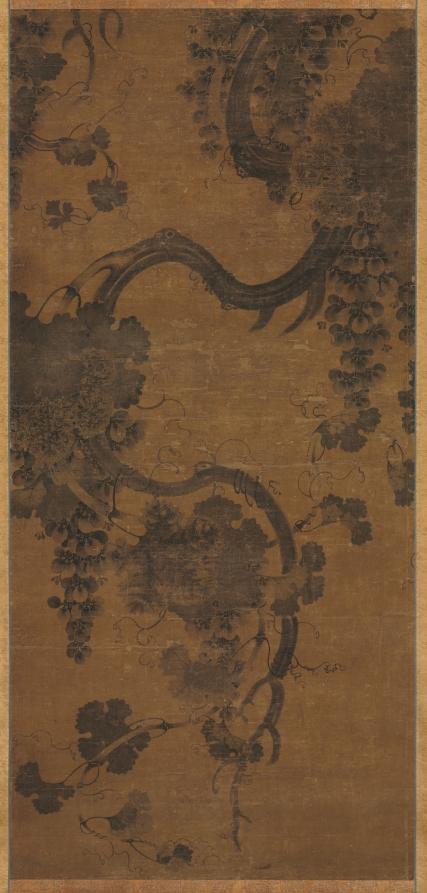
In the annals of textile heritage, few motifs carry the weight of the grape. At the Lauren Fashion Heritage Lab, we examine this symbol not merely as a decorative flourish but as a profound narrative of materiality, power, and artistry. The grape, rendered in silk, speaks to a legacy that bridges the opulence of imperial courts and the precision of modern craftsmanship. This artifact—a fragment of woven silk bearing the grape motif—serves as a lens through which we explore the intersection of natural form and human ingenuity. The materiality of silk, with its lustrous sheen and tactile fluidity, transforms the grape from a simple fruit into an emblem of abundance, fertility, and imperial authority. In the context of imperial silk weaving, particularly within the traditions of China’s Ming and Qing dynasties and the Byzantine Empire, the grape motif was not chosen lightly. It was a statement of dominion over nature and a celebration of the weaver’s art.
The Materiality of Silk: A Foundation for Legacy
Silk, as a medium, possesses an inherent duality. It is both delicate and resilient, capable of capturing the finest details of a design while enduring centuries of handling. In the imperial workshops of Suzhou and Hangzhou, master weavers manipulated silk threads to create a surface that mimicked the translucence of grape skins and the weight of clustered fruit. The materiality of silk allowed for a play of light and shadow, where the grape motif could appear to swell and ripen under the gaze of the beholder. This was not accidental. The imperial courts demanded textiles that reflected their cosmic authority—silk woven with gold and silver threads, dyed with cochineal and indigo, and patterned with motifs that carried layered meanings. The grape, often paired with vine leaves and tendrils, symbolized the cycle of life and the promise of renewal. In the hands of these weavers, silk became a canvas for a visual language that transcended mere decoration.
The Grape Motif in Imperial Contexts
The grape motif’s journey through imperial silk weaving is a story of cultural exchange and adaptation. In Byzantine silks, the grape was a Christian symbol of the Eucharist, woven into liturgical vestments and altar cloths. The Byzantine Empire, positioned at the crossroads of East and West, imported raw silk from China and developed its own weaving techniques, creating textiles that were prized across Europe. The grape motif, rendered in silk with gold-wrapped threads, became a marker of imperial and ecclesiastical power. Similarly, in Ming and Qing China, the grape motif appeared on court robes and ceremonial hangings, often intertwined with dragons or phoenixes. The grape’s association with abundance (as in the Chinese character for “many sons”) made it a fitting emblem for dynastic continuity. The weavers employed a technique known as kesi (cut silk), where each color thread was woven separately, allowing for intricate, tapestry-like details. The grape clusters in these textiles are rendered with a three-dimensional quality, their rounded forms catching light in a way that suggests ripeness and plenitude.
Technical Mastery: The Weaver’s Art
To understand the legacy of imperial silk weaving, one must appreciate the technical mastery required to produce a grape motif in silk. The weaver’s loom was not a machine but an extension of the artisan’s body. In the imperial workshops, a single textile could take months or even years to complete. The grape motif demanded precision: each thread had to be tensioned correctly to avoid distortion, and the dyeing process required a deep knowledge of natural pigments. The result was a fabric that felt almost alive—silk that could drape with the weight of a grapevine or shimmer like dew on a leaf. This technical expertise was guarded as a state secret, passed down through generations of weaving families. The legacy of these artisans is evident in the surviving fragments, where the grape motif remains as vibrant today as it was centuries ago. The materiality of silk, when combined with such skill, creates an artifact that is both a historical document and a work of art.
The Legacy: From Imperial Courts to Savile Row
The legacy of imperial silk weaving does not rest solely in museum vitrines. It lives on in the workshops of London’s Savile Row, where the principles of materiality and craftsmanship are held in the highest regard. The grape motif, once a symbol of imperial power, now appears in bespoke silk ties, pocket squares, and linings for tailored suits. The connection is not merely aesthetic; it is philosophical. Savile Row tailors, like the imperial weavers before them, understand that fabric is the foundation of a garment. The weight, drape, and sheen of silk must be considered in every cut and stitch. When a client chooses a silk tie with a grape motif, they are not just selecting a pattern—they are engaging with a heritage that spans continents and centuries. The grape, in its materiality, reminds us that luxury is not about excess but about the careful marriage of natural materials and human skill.
Conclusion: The Enduring Vine
The grape motif in imperial silk weaving is more than a historical curiosity. It is a testament to the enduring power of materiality and the legacy of those who dedicated their lives to the loom. At the Lauren Fashion Heritage Lab, we believe that understanding this heritage enriches our appreciation of contemporary craftsmanship. Whether in a Ming dynasty court robe or a Savile Row tie, the grape motif continues to speak of abundance, artistry, and the timeless dialogue between nature and culture. As we preserve and study these artifacts, we honor the weavers who transformed silk into a vessel for meaning—a legacy that, like the vine itself, continues to grow and bear fruit.