The Kylix Fragment and the Architecture of Restraint: Tracing Attic Lineage in 2026 Old Money Silhouettes
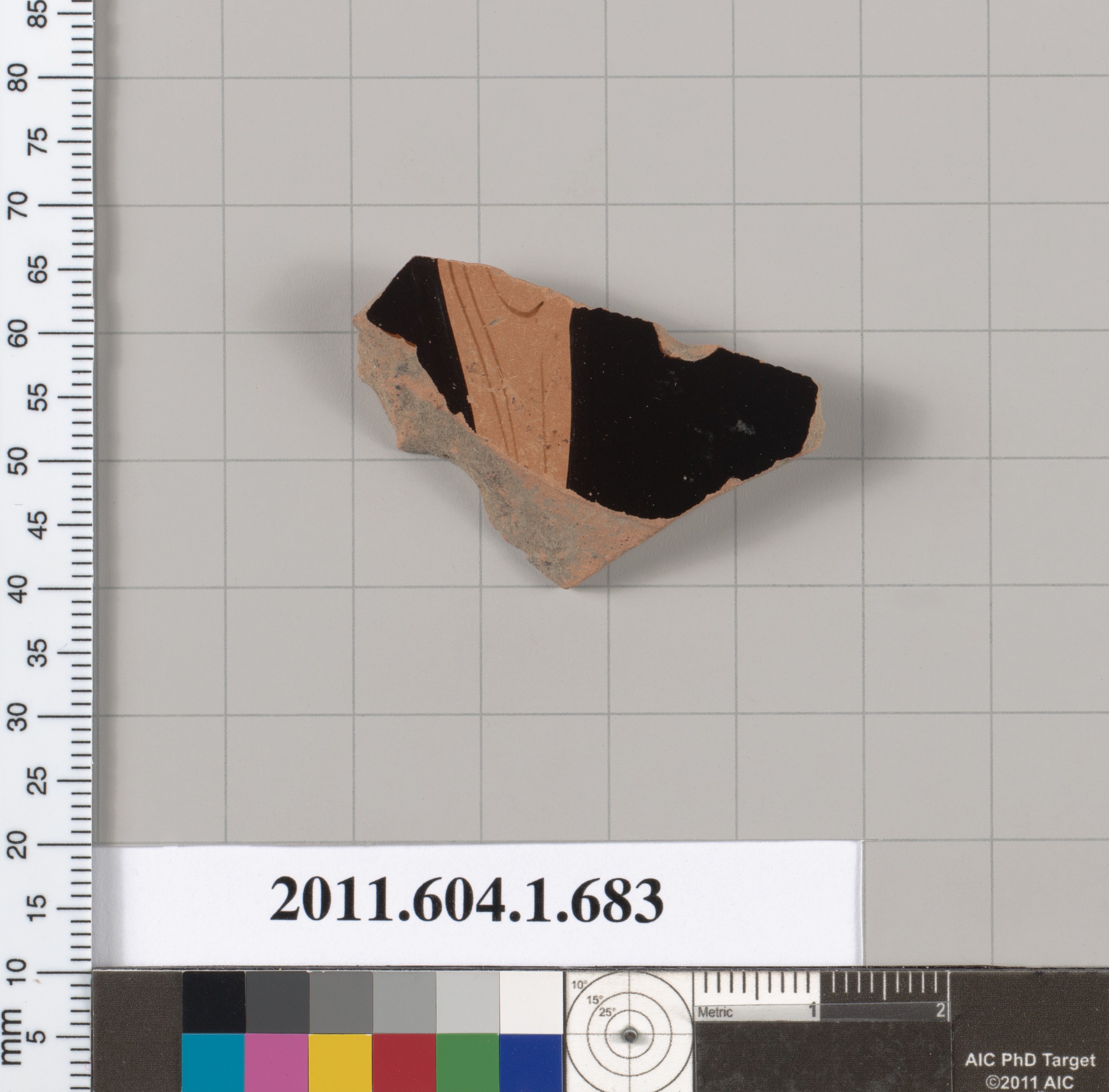
In the hushed galleries of the Lauren Fashion Heritage Lab, where the genetic code of our house is perpetually sequenced and re-sequenced, the encounter between a Ming dynasty carved lacquer box and a Caravaggio canvas has already established a profound dialogue on materiality and narrative. Yet, it is a third artifact—a humble terracotta fragment of an Attic kylix (drinking cup), circa 490 BCE—that offers the most startlingly direct lineage for the 2026 Old Money silhouette. While the lacquer box whispers of tactile depth and the Caravaggio shouts of theatrical light, this Greek shard speaks in the austere, enduring language of structural purity, a language that must be decoded to understand the coming season’s most powerful statement: the re-emergence of the Heritage-Black wardrobe as a system of architectural restraint.
From Symposium to Silhouette: The Geometry of the Social Body
The kylix, a shallow, two-handled cup used in the Greek symposium, was not merely a vessel for wine; it was an instrument of social choreography. Its form dictated a specific posture—the reclining drinker, the careful tilt of the wrist, the communal passing of the cup. The fragment we possess, showing a portion of the tondo (the interior circular painting) and a single handle root, reveals the object’s essential geometry: a perfect circle bisected by a horizontal axis, anchored by the symmetrical arcs of its handles. This is not the geometry of the individual, but of the citizen within a polis—a body disciplined by ritual, proportion, and shared space.
For the 2026 Old Money silhouette, this translates directly into a rejection of the flamboyant and the asymmetrical. The kylix’s logic demands a return to the structured shoulder, the defined waist, and the clean, unbroken line from collarbone to hem. The double-breasted blazer, the tailored overcoat, the sheath dress—these are not merely garments; they are architectural containers for the body, echoing the kylix’s containment of the wine. The silhouette becomes a “symposium of the self,” where each element (jacket, trouser, shirt) is a participant in a harmonious, pre-ordained order. The 2026 Old Money man or woman does not wear clothes that shout; they inhabit a system of dress that projects quiet, unassailable authority through its very adherence to classical proportion.
Heritage-Black as the New Terracotta: The Materiality of Absence
The terracotta fragment is not black. Its fired clay ranges from a deep, burnt orange to a dusty umber. Yet, its conceptual color is the void left by the lost black-figure or red-figure painting. The kylix’s narrative power once resided in the contrast between the dark slip and the lighter clay—a dialectic of presence and absence, of figure and ground. For 2026, the Heritage-Black palette reclaims this dialectic. It is not the flat, mourning black of a gothic subculture, nor the glossy, consumerist black of a luxury logo. It is a black informed by the terracotta’s memory—a black that is textured, matte, and deeply absorptive, like the fired clay of antiquity.
This is achieved through fabric innovation. The 2026 Heritage-Black silhouette will be rendered in heavy, matte-finished wools (flannel, worsted, tweed) and structured cottons (denim, drill, poplin) that mimic the kylix’s tactile density. The surface is not reflective; it is absorptive, inviting touch and time. Just as the lacquer box demanded the hand’s caress to reveal its depth, this Heritage-Black demands proximity to reveal its texture—the subtle herringbone, the barely-there twill, the dry hand of a high-twist wool. It is a black that does not announce itself, but rather defines the space around the wearer, creating a silhouette of negative space—a void of quiet power in a world of visual noise.
The Narrative of the Fragment: Incompleteness as Ultimate Luxury
The most profound lesson of the kylix fragment is its incompleteness. We do not possess the full cup, nor the full narrative of its painted scene. We have only a shard—a fragment of a story. For the 2026 Old Money aesthetic, this becomes the ultimate signifier of inherited taste. True luxury is not about the new, the complete, or the pristine. It is about the patina of use, the evidence of a life lived, the quiet suggestion of a larger narrative that the wearer does not feel compelled to explain.
This manifests in the silhouette through deliberate restraint. A jacket sleeve that is slightly too long, a trouser hem that brushes the floor, a shirt collar that is soft from washing—these are not flaws; they are fragments of a personal history. The 2026 Old Money silhouette is built to be worn, not displayed. It is a system of garments that accumulate meaning over time, like the kylix fragment accumulating the patina of centuries. The Heritage-Black palette serves as the perfect ground for this accumulation, allowing the subtle variations in texture and wear to become the primary narrative. A faded black, a worn black, a black that has been mended—these are the new markers of status, far more potent than any logo or seasonal trend.
Synthesis: The Kylix, the Lacquer, and the Caravaggio
Returning to our imagined gallery, the kylix fragment now stands in dialogue with the Ming box and the Caravaggio. The lacquer box taught us tactile depth; the Caravaggio taught us theatrical presence; the kylix teaches us structural discipline. The 2026 Old Money silhouette is the synthesis of these three lessons. It possesses the tactile richness of the lacquer (in its matte wools and dense cottons), the dramatic presence of the Caravaggio (in its sharp, defined lines and controlled volumes), and the austere geometry of the kylix (in its commitment to proportion, symmetry, and the narrative of the fragment).
The result is a wardrobe that is neither nostalgic nor futuristic, but timeless. It is a system of dress that acknowledges its own history, wears its inheritance with quiet confidence, and projects an authority that is earned, not purchased. The Heritage-Black silhouette of 2026 is not a trend; it is a return to first principles—a reminder that the most powerful statement a garment can make is the one it does not have to speak aloud. Like the kylix fragment, it is a shard of a larger, more profound story, waiting to be completed by the life of the wearer.