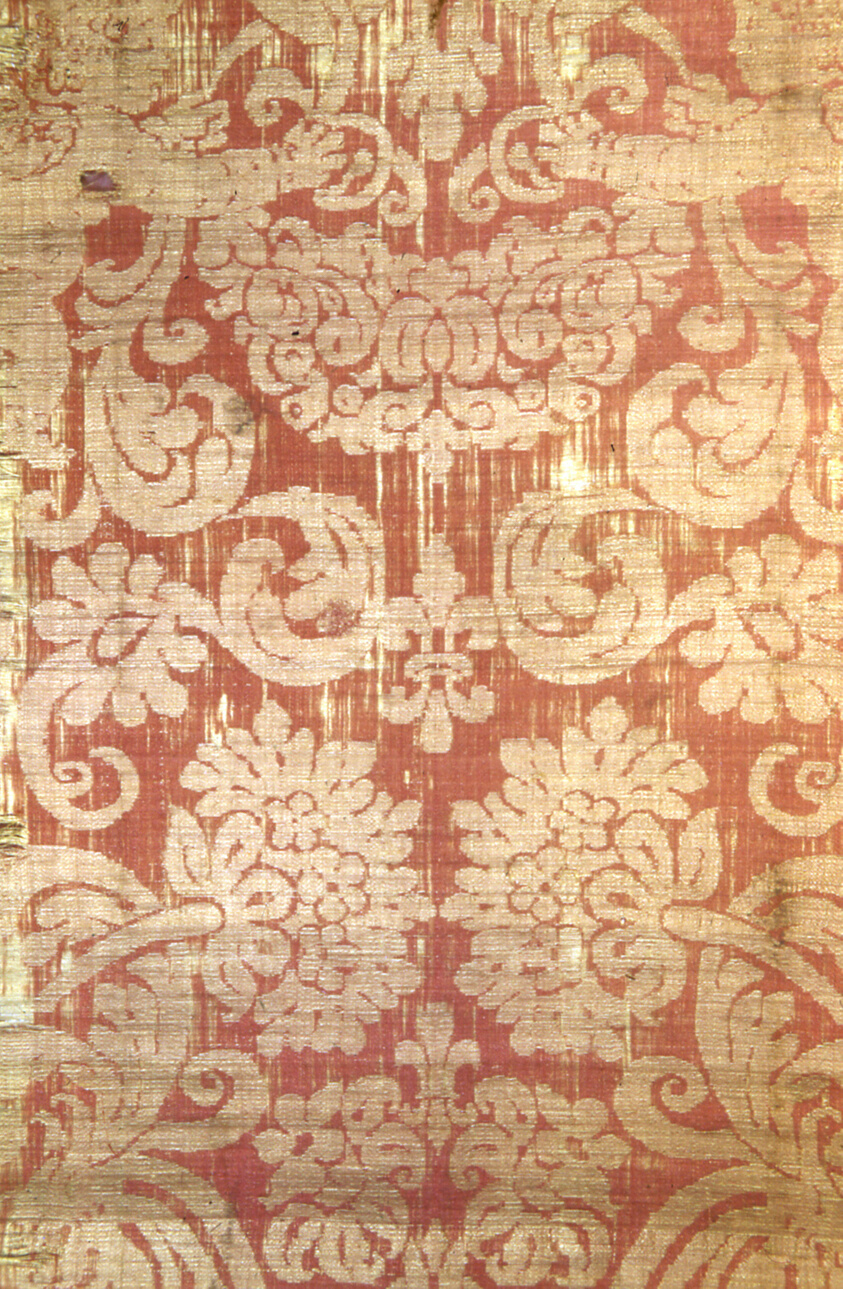
An Examination of the Panel: The Satin Damask Weave as the Apogee of Fluid Elegance
In the considered realm of bespoke tailoring and the curation of a distinguished personal uniform, the panel is seldom granted the forensic attention it merits. It is, too often, a mere component, a swatch of cloth awaiting the shears. Yet, to the connoisseur of materiality—to the individual who comprehends that true elegance is founded upon a bedrock of silent, structural integrity—the panel represents the fundamental unit of sartorial expression. It is the blank canvas upon which the narrative of craftsmanship is inscribed. When that canvas is rendered in a 4:1 satin damask weave of pure silk, one is not merely handling fabric; one is engaging with a centuries-old dialogue between discipline and fluidity, between geometric precision and organic grace.
The Architecture of Light: Deconstructing the 4:1 Satin Damask
The specification of a 4:1 satin damask weave is not arbitrary; it is a declaration of intent. Let us dissect this nomenclature with the precision of a master cutter examining a draft. The 'satin' component refers to the weave structure, a complex interlacing where the warp yarns dominate the surface. In a 4:1 configuration, a single weft thread passes under four warp threads before interlacing with the fifth. This extended 'float' is the genesis of the cloth’s defining characteristic: an unbroken, luminous surface that captures and refracts light with a profound, liquid depth. It is this architecture that yields the notorious, seductive sheen—a sheen that is not garish, but rather a soft, intrinsic radiance, the visual equivalent of a low, cultured tone of voice.
The term 'damask' elevates this foundation into the realm of narrative. Damask is not a fibre, but a technique—a reversible patterning effect achieved through a sophisticated manipulation of the satin weave structure. The design, often floral, geometric, or arabesque, is woven into the very matrix of the cloth. It is visible not through colour contrast, but through a subtle, tonal play of light and shadow. The pattern on a true silk damask reveals itself only upon movement or a specific angle of regard, a private discourse between the wearer and the material. This is discretion of the highest order: opulence that refuses to announce itself, relying instead on the perceptive eye of the observer. The result is a panel of immense tactile and visual sophistication, possessing a substantive hand-feel and a dignified, self-assured presence.
Material Provenance: Silk and the Legacy of Discipline
The foundation of this entire edifice is, of course, the silk filament itself. To speak of silk is to speak of a raw material that has, for millennia, represented the pinnacle of luxury and technical aspiration. The journey from the meticulous cultivation of the Bombyx mori silkworm to the final, lustrous filament is a parable of controlled endeavour. This legacy of discipline is woven into every yard. The innate properties of the silk fibre—its formidable tensile strength relative to its diaphanous weight, its natural affinity for rich, enduring dyes, its unparalleled capacity for a soft, reflective lustre—are what make the satin damask weave not merely possible, but transcendent.
When such a fibre is organised into the 4:1 damask structure, the material achieves a unique duality. It possesses a structural gravity—a weight and drape that speaks of substance and consequence. This is not a fleeting chiffon or a rustic shantung; it is a cloth for statements of permanence. Concurrently, it exhibits a fluid elegance in its behaviour, falling into folds that are at once crisp and supple, moving with the wearer in a silent, rhythmic cascade. This dichotomy is the essence of its application in classic craftsmanship: it provides the sartorial architect with a medium that can hold a sharp, clean line while simultaneously flowing with organic, graceful ease.
Contextual Application: From Panel to Patrimony
Within the context of classic silk craftsmanship, the panel of 4:1 satin damask is the reserved province of definitive articles. It is the material of choice for the formal evening tailcoat, where its luminous surface is codified by tradition yet elevated by its execution. It is the foundation of the silk dressing gown, a garment of private ceremony, where its fluidity and discreet patterning cater to refined leisure. In the realm of accessories, it furnishes the pocket square or the necktie of the discerning individual—a single panel, strategically deployed, capable of articulating a world of unspoken understanding about quality and heritage.
The handling of such a panel demands a specific reverence. The cutter must understand the behaviour of the float, the necessity of aligning patterns with a surgeon’s eye, and the imperative of using techniques that honour, rather than compromise, the delicate surface. Seams must be impeccably finished; linings must be chosen to complement, not compete. It is a material that punishes the hurried and rewards the meticulous.
In conclusion, a panel of 4:1 satin damask silk is far more than raw material. It is a heritage artifact, a physical manifestation of a chain of expertise stretching from the silkworm groves to the loom, and finally to the atelier. Its value lies in its silent testimony to controlled complexity, its celebration of subtlety over ostentation, and its embodiment of a fluid elegance that is, in truth, the product of rigid discipline. To select such a panel is to make an informed commitment to a legacy of beauty built upon integrity—a choice that, like the damask pattern itself, reveals its true depth only to those qualified to perceive it.