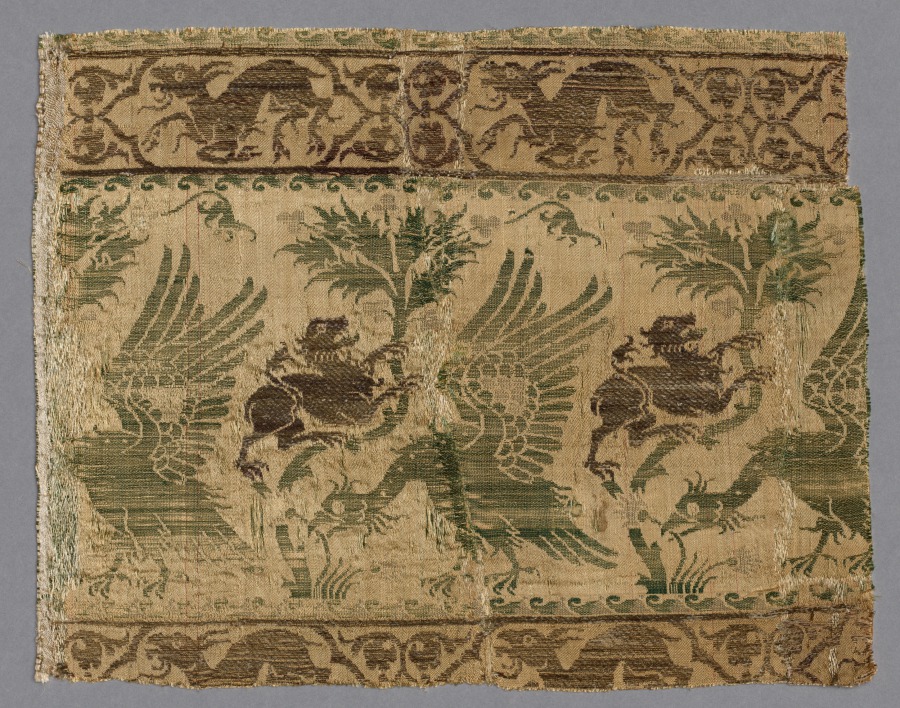
The Enduring Thread: Silk and Gold Textile as a Heritage Artifact of Imperial Weaving
Introduction: The Material as Monument
In the hushed, wood-paneled ateliers of London’s Savile Row, where the cut of a sleeve is debated with the precision of a diplomatic treaty, we understand that fabric is not merely cloth. It is narrative. Among the most profound narratives in the history of luxury is the Silk and Gold Textile—a composite artifact born from the confluence of imperial ambition, artisanal mastery, and material alchemy. This paper examines this textile not as a decorative relic, but as a heritage research artifact that encodes the political economy, technological sophistication, and aesthetic ideology of imperial silk weaving. The legacy of this craft, from the looms of the Ming dynasty to the courts of Versailles, offers a masterclass in how materiality—specifically the union of silk and gold—becomes a durable testament to power.
Materiality: The Dialogue Between Silk and Gold
To understand the artifact, one must first deconstruct its core components. Silk, the proteinaceous filament spun by the Bombyx mori silkworm, is a material of paradoxical strength and delicacy. Its natural luster, tensile resilience, and capacity to absorb dyes with unparalleled depth made it the premier medium for imperial expression. Yet silk alone, however exquisite, was insufficient for the highest echelons of power. The addition of gold—typically in the form of gilded paper strips or drawn wire wrapped around a silk core—transformed the textile into a metallic declaration of sovereignty. This was not mere ornamentation; it was a deliberate material strategy. Gold thread, when woven into silk, created a surface that reflected light with a dynamic, almost animate quality. In candlelit throne rooms, these textiles shimmered, signaling the divine or imperial presence before a single word was spoken.
The materiality of this composite is critical. The weight of gold thread altered the drape and hand of the fabric, demanding specialized looms and weavers of extraordinary skill. The physical density of a silk-and-gold brocade—often called drap d’or or kesi in Chinese tradition—was a tactile reminder of its cost and exclusivity. Every gram of gold represented a portion of imperial treasury, a fact not lost on the courts that commissioned these textiles. The artifact, therefore, is a repository of economic and political capital, its very weight a measure of the patron’s reach.
Context: The Legacy of Imperial Silk Weaving
The legacy of imperial silk weaving is a story of centralized control and ritualized production. In China, from the Han dynasty onward, the imperial silk workshops were state-run enterprises, often located within the Forbidden City or in satellite centers like Suzhou and Hangzhou. These were not commercial ventures; they were instruments of statecraft. The patterns woven into silk-and-gold textiles were codified: dragons with five claws for the emperor, four for princes; phoenixes for empresses; specific cloud motifs for ceremonial robes. The iconography was a legal code, and the use of gold thread was reserved for the highest ranks. To wear such a textile was to wear a visible hierarchy.
This model of imperial weaving migrated westward along the Silk Road, influencing Byzantine, Persian, and eventually European courts. By the 17th and 18th centuries, the French royal manufactories, such as the Gobelins and Lyon’s silk workshops, had perfected their own versions of silk-and-gold textiles. Under Louis XIV, these fabrics became the uniform of absolutism. The Sun King’s bedchamber at Versailles was draped in gold-brocaded silks, a material manifestation of his claim to divine right. The legacy here is one of technological transfer and adaptation. The imperial model—centralized, secretive, and quality-obsessed—was replicated, but with local variations. The Chinese dragon became the French fleur-de-lis; the gold thread remained constant as the universal signifier of sovereignty.
The Artifact as Heritage: Preservation and Interpretation
Today, the Silk and Gold Textile exists in a liminal space between museum object and living heritage. In the context of Lauren Fashion Heritage Lab, we treat these artifacts as primary sources for understanding pre-industrial luxury supply chains. The conservation of such textiles is a discipline in itself. Gold thread, while chemically stable, can become brittle over centuries; the silk core can degrade if exposed to light or humidity. The heritage value lies not only in the object’s beauty but in the knowledge embedded in its construction. Each warp and weft tells a story of a specific loom, a specific workshop, a specific imperial decree.
For the modern fashion house, studying these artifacts offers a blueprint for sustainable luxury. The imperial weavers understood that quality was a function of time, skill, and material integrity. There was no mass production; each piece was a bespoke commission for a specific patron. This ethos resonates deeply with the Savile Row tradition, where a single suit requires weeks of handwork. The legacy of imperial silk weaving reminds us that true luxury is not about novelty, but about continuity of craft. The gold thread that once adorned a Ming emperor’s robe can inspire a contemporary embroidery technique, if we are willing to read the material closely.
Conclusion: The Thread That Binds
The Silk and Gold Textile is more than a sum of its parts. It is a heritage artifact that encapsulates the ambitions of empires, the ingenuity of artisans, and the enduring power of material culture. For the scholar, it offers a lens into the global history of luxury. For the practitioner, it provides a standard of excellence that transcends time. In the quiet, light-filled rooms of the Lauren Fashion Heritage Lab, we handle these textiles with the reverence they demand, knowing that each thread is a line in a conversation that began centuries ago. The legacy of imperial silk weaving is not a closed chapter; it is a living tradition, waiting to be rewoven into the future of fashion.
— Senior Heritage Specialist, Lauren Fashion Heritage Lab