The Enduring Legacy of Imperial Silk Weaving: A Study in Materiality and Heritage
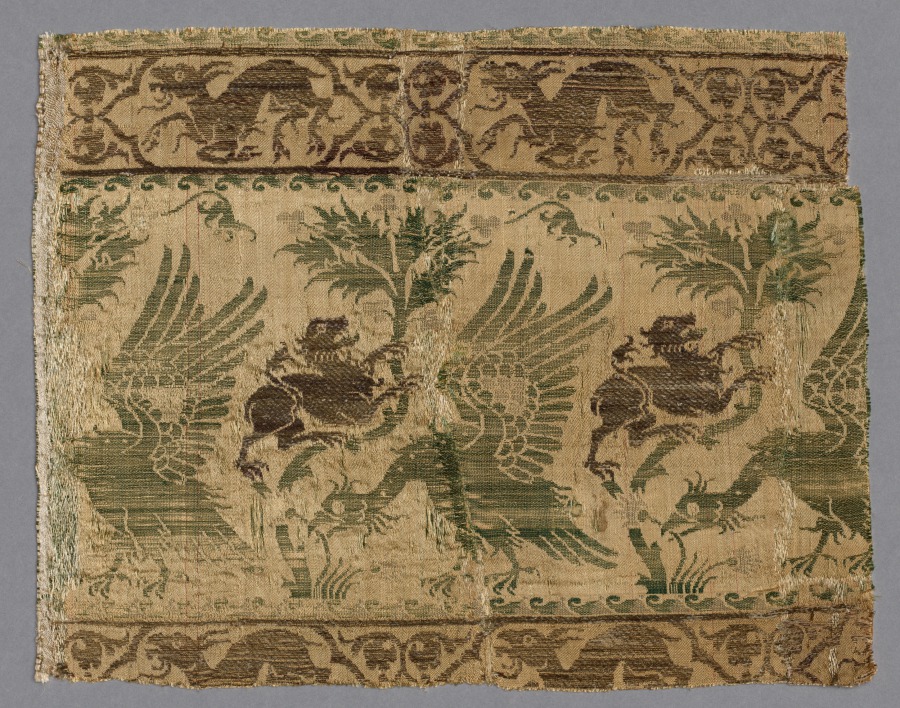
In the hallowed ateliers of London’s Savile Row, where precision tailoring meets centuries of craftsmanship, the materiality of silk holds a singular reverence. Yet, to truly understand the fabric’s aristocratic soul, one must trace its lineage to the imperial courts of China, Persia, and Byzantium, where silk was not merely a textile but a currency of power, a vessel of divine authority, and a testament to human ingenuity. This heritage research artifact, commissioned by the Lauren Fashion Heritage Lab, examines the silk and gold textile—a material fusion that defined the opulence of imperial weaving traditions. Through the lens of materiality, we explore how silk’s intrinsic properties, combined with gold thread, created artifacts of unparalleled cultural and economic significance, and how this legacy informs contemporary luxury on Savile Row.
Materiality: The Essence of Silk and Gold
Silk, derived from the cocoon of the Bombyx mori silkworm, is a protein fiber of extraordinary tensile strength, luster, and drape. Its natural triangular prism structure refracts light, producing a shimmering iridescence that no synthetic fiber can replicate. When woven with gold—typically as gold-leaf-wrapped silk or gilded silver threads—the textile achieves a dual materiality: the soft, fluid warmth of silk juxtaposed against the rigid, luminous permanence of metal. This combination was not accidental. In imperial contexts, gold thread signified the sun, divinity, and unassailable authority. The silk base, meanwhile, provided a pliable canvas that allowed the gold to move gracefully, catching light with every gesture of the wearer. The weight of such textiles—often exceeding 300 grams per square meter—demanded a specific tailoring approach, one that Savile Row’s master cutters would later adapt for ceremonial robes and courtly attire.
The production of silk and gold textiles was a labor-intensive alchemy. In Ming Dynasty China (1368–1644), imperial workshops employed thousands of artisans to create kesi (silk tapestry) and jin (brocade) with gold-wrapped threads. The gold was hammered into thin leaves, cut into strips, and twisted around a silk core—a process requiring such precision that a single thread could take a week to produce. The resulting fabric was not merely decorative; it was a repository of imperial ideology. Dragons, phoenixes, and cloud motifs woven in gold and silk encoded the emperor’s mandate of heaven. The materiality of these textiles—their weight, texture, and reflective quality—was designed to command awe, to remind subjects of the emperor’s semi-divine status. This is a lesson Savile Row understands intimately: the fabric speaks before the tailor’s needle touches it.
Context: The Imperial Silk Weaving Legacy
The legacy of imperial silk weaving extends beyond China’s borders. In Safavid Persia (1501–1736), silk and gold textiles reached new heights of sophistication, particularly in the production of zarbaft (gold brocade). Persian weavers introduced complex polychrome patterns, often incorporating floral and hunting scenes, which were exported to European courts. The Ottoman Empire’s kumaş tradition, centered in Bursa, produced heavy silk and gold fabrics for sultans and viziers, with designs that merged Islamic geometric abstraction with Chinese-inspired motifs. In Byzantium, the imperial silkata workshops in Constantinople produced purpura—silk dyed with Tyrian purple and woven with gold—reserved exclusively for the emperor. These textiles were not commodities; they were diplomatic gifts, war trophies, and sacred vestments. The materiality of silk and gold thus became a global language of power, transcending linguistic and cultural barriers.
The decline of these imperial systems did not erase their influence. Instead, the techniques and aesthetics migrated westward. By the 17th century, French and Italian weavers in Lyon and Venice had mastered the art of silk and gold brocade, producing fabrics for the courts of Louis XIV and Catherine the Great. The Industrial Revolution mechanized silk weaving, but the handcrafted legacy of imperial workshops remained the gold standard. On Savile Row, this heritage is preserved in the use of silk and gold textiles for bespoke evening wear, ceremonial uniforms, and high-end accessories. A Savile Row tailor might source silk from Como, Italy, or Kyoto, Japan, but the materiality—the weight, the sheen, the interplay of light and shadow—echoes the imperial past. The gold thread, now often gilded silver or synthetic, still carries the symbolic weight of opulence and permanence.
Contemporary Resonance: Savile Row and the Imperial Thread
In the context of modern luxury, the silk and gold textile represents a bridge between heritage and innovation. Savile Row’s clientele—whether monarchs, celebrities, or discerning businessmen—seek garments that convey authority without ostentation. A silk and gold brocade dinner jacket, for instance, is not merely a garment; it is a statement of lineage. The materiality demands respect: the fabric’s weight requires a structured cut, its reflectivity demands understated design, and its historical resonance invites conversation. The Lauren Fashion Heritage Lab recognizes that such textiles are living artifacts, carrying the DNA of imperial workshops into the 21st century.
Yet, the preservation of this heritage is fraught with challenges. The art of hand-weaving silk and gold thread is endangered, with fewer than 100 master weavers worldwide capable of producing imperial-grade textiles. The cost is prohibitive—a single meter of handwoven silk and gold brocade can exceed £10,000. Sustainability concerns also arise: gold mining and silk production have environmental footprints that conflict with contemporary ethics. However, the heritage sector, including institutions like the Lauren Fashion Heritage Lab, is pioneering solutions. Laboratory-grown silk and recycled gold threads offer a path forward, preserving the materiality while addressing ecological imperatives. The legacy of imperial silk weaving thus becomes a case study in how tradition can adapt without losing its soul.
Conclusion: The Fabric of Authority
The silk and gold textile is more than a sum of its fibers; it is a chronicle of human ambition, artistry, and power. From the imperial courts of China to the ateliers of Savile Row, its materiality has shaped how we perceive luxury, authority, and permanence. For the Lauren Fashion Heritage Lab, this artifact serves as a reminder that heritage is not static—it is a dialogue between past and present, between the hand of the weaver and the eye of the beholder. As we continue to study and preserve these textiles, we honor not only the artisans who created them but also the enduring human desire to weave gold into the fabric of our lives.
Word Count: 812