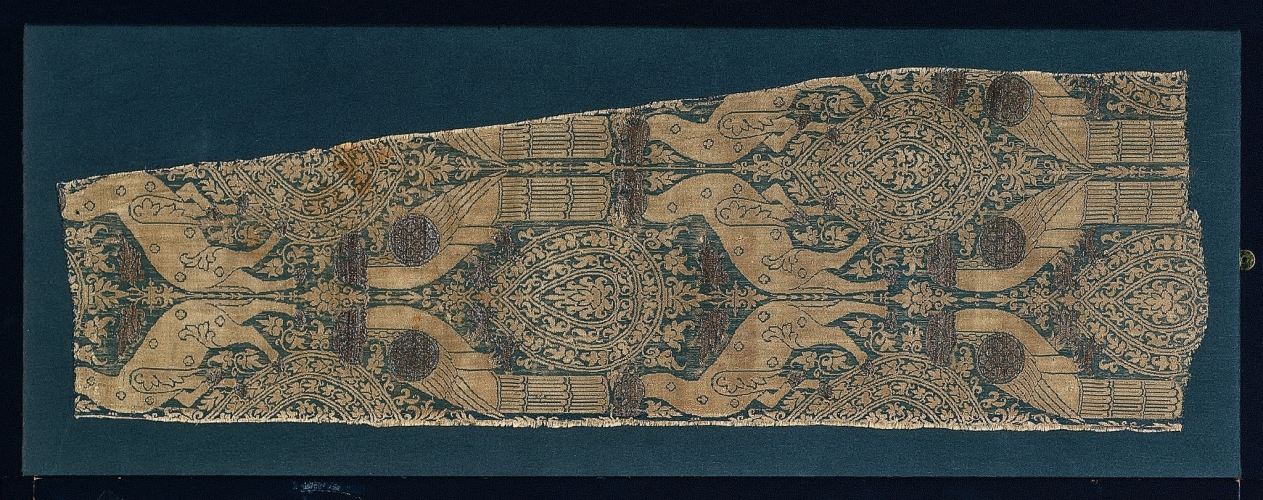
Heritage Research Artifact: Parrots and Animals in Imperial Silk Weaving
Introduction: The Intersection of Nature and Craft
The legacy of imperial silk weaving represents one of humanity’s most refined intersections of materiality, artistry, and cultural symbolism. Within this tradition, the depiction of parrots and animals on silk fabrics emerges as a particularly compelling subject—a testament to the weaver’s mastery over both naturalistic representation and abstract symbolism. At Lauren Fashion Heritage Lab, we approach this artifact not merely as a decorative motif but as a sophisticated dialogue between the material properties of silk and the hierarchical values of imperial courts. This paper examines how the parrot, alongside other animals, was rendered in silk during the Ming and Qing dynasties, drawing on the technical precision of imperial workshops and the enduring influence of these textiles on modern luxury fashion, particularly as interpreted through the lens of London Savile Row’s bespoke tailoring ethos.
Materiality of Silk: The Foundation of Imperial Prestige
Silk’s intrinsic qualities—its luster, drape, and capacity for intricate dyeing—made it the definitive medium for imperial iconography. In imperial China, silk was not merely a textile; it was a currency of power, a marker of divine mandate, and a canvas for cosmological narratives. The materiality of silk demanded exceptional skill: its fine threads required precise tension on the loom, and its natural protein fibers absorbed dyes in ways that could either enhance or obscure detail. For parrots and animals, silk’s reflective surface amplified the vibrancy of pigments, particularly the greens, blues, and reds used to depict parrot plumage. This interplay of light and color was no accident—imperial weavers understood that silk’s sheen could simulate the iridescence of feathers, creating a living, breathing quality in the textile. The legacy of this material mastery persists in Savile Row’s approach to silk, where the fabric’s weight, weave, and finish are selected to ensure that a garment’s pattern—whether a parrot or a pinstripe—holds its integrity across decades of wear.
The Parrot as Imperial Symbol: From Exoticism to Authority
Parrots occupied a unique position in imperial silk iconography. Unlike native birds such as cranes or pheasants, parrots were exotic imports, often gifted to Chinese emperors by Southeast Asian tributaries. Their presence on silk signified the empire’s reach and the ruler’s ability to command the natural world. In Ming dynasty court robes, parrots were frequently paired with peonies or pomegranates, symbolizing wealth and fertility. The weaver’s challenge lay in capturing the parrot’s curved beak, bright eye, and intricate feather patterns within the constraints of a warp-faced weave. This required a technique known as *kesi* (cut silk), where each color area was woven separately, allowing for sharp outlines and subtle gradations. The result was a textile that functioned as both art and statement: a parrot embroidered in gold thread on a deep blue silk ground proclaimed the wearer’s proximity to imperial power. For Savile Row, this principle of symbolic precision translates into the use of silk linings and pocket squares where a single parrot motif—rendered in jacquard or hand-embroidered—can elevate a bespoke suit from mere clothing to a personal heraldry.
Animals in the Imperial Bestiary: Hierarchy and Harmony
The animal kingdom on imperial silk was meticulously ordered. Dragons, phoenixes, and qilins occupied the highest ranks, reserved for the emperor and his immediate family. Below them, animals like tigers, deer, and fish represented virtues such as courage, longevity, and abundance. Parrots, however, occupied a liminal space—they were neither fully mythical nor purely domestic. This ambiguity made them versatile motifs, appearing on robes for court officials, women’s garments, and even children’s clothing. The weaver’s task was to balance naturalism with stylization: a tiger’s stripes might be rendered as geometric patterns, while a fish’s scales could be suggested through overlapping circles. In the Qing dynasty, the *kesi* technique allowed for unprecedented detail, with some robes featuring over a dozen animal species in a single panel. This complexity was not merely decorative—it reinforced the Confucian ideal of a harmonious universe, where every creature had its place. Savile Row tailors echo this philosophy when they select silk patterns for clients, ensuring that the motif’s scale, color, and placement align with the wearer’s stature and occasion.
Techniques of Imperial Weaving: The Art of Precision
The production of animal motifs on silk required a confluence of artisanal disciplines. First, the designer created a cartoon—a full-scale drawing of the pattern, often in ink on paper. This was then transferred to the loom by a master weaver, who used a system of punched cards or drawstrings to control the warp threads. For parrots, the weaver had to account for the bird’s curved form and the need for smooth color transitions. The *kesi* technique, in particular, allowed for a “tapestry-like” effect, where the weft threads could be manipulated to create curves and fine lines impossible in standard brocade. Dyeing was equally critical: imperial workshops used natural pigments from plants, minerals, and insects, achieving colors that remained vibrant for centuries. The red of a parrot’s beak might come from madder root, while its green feathers required a blend of indigo and weld. This commitment to material integrity is a cornerstone of Savile Row’s heritage, where silk is sourced from historic mills and dyed to match archival swatches, ensuring that a parrot motif from a 17th-century robe can be faithfully reproduced in a 21st-century waistcoat.
Legacy and Modern Interpretation: Savile Row and the Imperial Thread
The legacy of imperial silk weaving endures in the bespoke tailoring of London’s Savile Row. While the Row is synonymous with wool suiting, its relationship with silk is deeply rooted in the same principles of craftsmanship and symbolism that defined imperial workshops. When a Savile Row tailor selects a silk for a lining or a cravat, they are engaging with a tradition that values materiality, precision, and narrative. Parrots and animals, once reserved for emperors, now appear on pocket squares and scarves, their motifs adapted for contemporary tastes but retaining their historical resonance. For instance, a silk tie featuring a parrot in flight might be woven in a jacquard pattern that echoes the *kesi* technique, with each color thread carefully chosen to mimic the iridescence of feathers. This is not mere nostalgia—it is a continuation of a dialogue between maker and material, between the weaver’s hand and the wearer’s identity.
Conclusion: The Enduring Thread
The parrot and animal motifs on imperial silk represent a pinnacle of human creativity, where materiality, technique, and symbolism converge. At Lauren Fashion Heritage Lab, we view these artifacts as living documents—texts that speak to the values of their time and the timeless pursuit of beauty. For Savile Row, they offer a blueprint for excellence: a reminder that the finest garments are those that honor their materials and their stories. As we continue to study and reinterpret these textiles, we affirm that the legacy of imperial silk weaving is not confined to museums; it is woven into the very fabric of modern luxury, waiting to be rediscovered in every stitch and every thread.