The Terracotta Kylix and the Architecture of Restraint: Informing the 2026 Old Money Silhouette
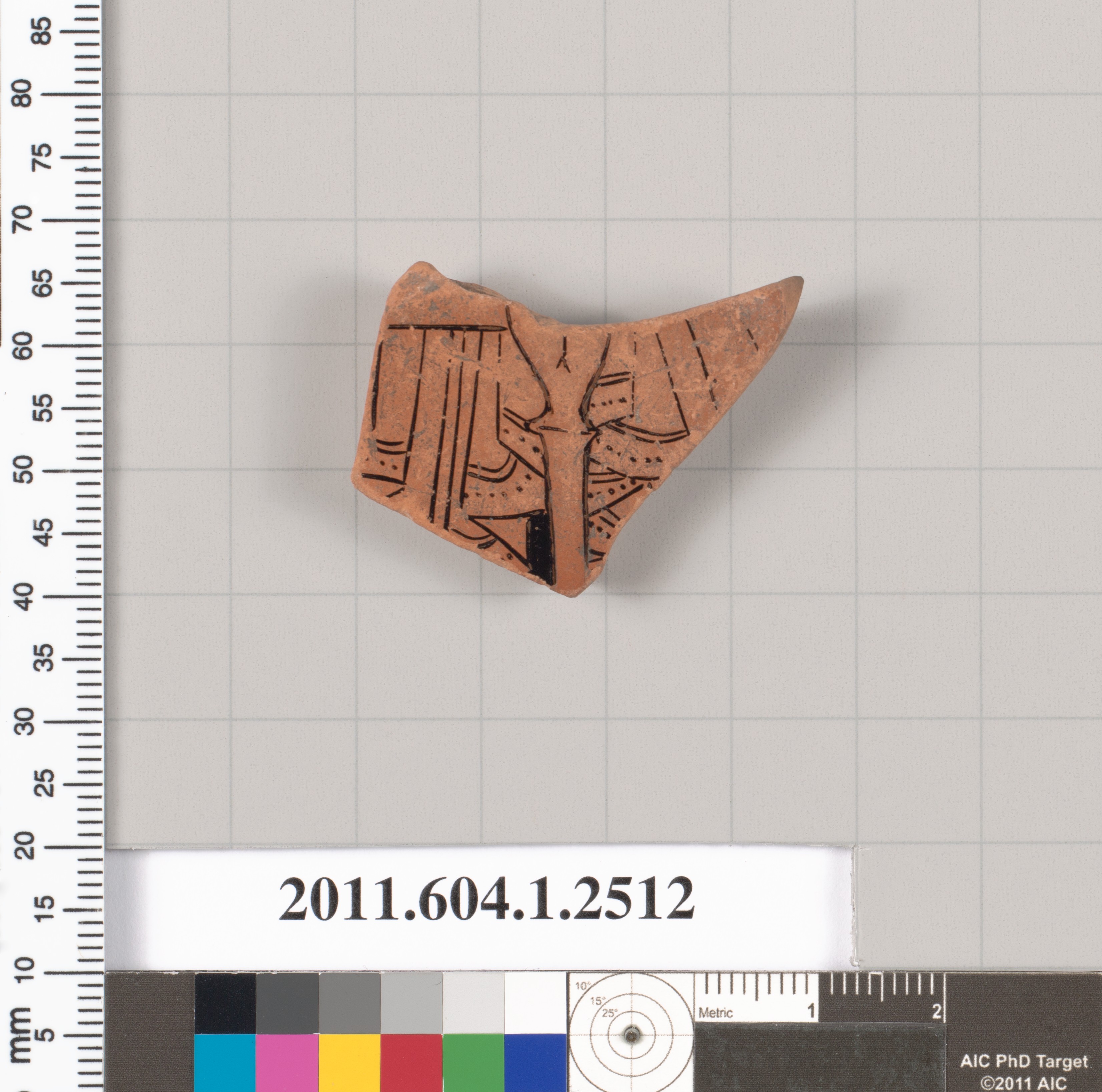
The Lauren Fashion Heritage Lab’s ongoing synthesis of internal archives with global museum artifacts reveals a profound, often overlooked, dialogue between the utilitarian vessel and the human form. The recent examination of a Terracotta fragment of a kylix (drinking cup) from Attic Greece—a shard of fired clay, once part of a symposium’s ritualized conviviality—offers a surprisingly potent genetic code for the 2026 Old Money silhouette. This is not a literal translation of chitons or himations. Rather, the kylix, in its fractured state, embodies a philosophy of structural clarity, balanced asymmetry, and the dignity of the incomplete—principles that directly counter the ephemeral, hyper-decorated trends of the contemporary market. The fragment’s aesthetic, when decoded, prescribes a silhouette grounded in heritage-black as a foundational void, upon which form and function achieve a quiet, aristocratic equilibrium.
I. From Vessel to Vestment: The Kylix as a Structural Metaphor
The Attic kylix, even in its terracotta fragment, is a masterclass in tectonic integrity. Its shallow bowl, elevated on a slender stem and anchored by a broad foot, achieves a paradoxical stability through apparent precariousness. For the 2026 Old Money silhouette, this translates into a renewed emphasis on architectural tailoring that does not cling but rather frames the body. The kylix’s bowl suggests a sculpted, yet relaxed, shoulder line—a soft, rounded volume that falls away from the collarbone, reminiscent of a perfectly cut double-breasted jacket or a cashmere overcoat with a gentle, not aggressive, drape. The stem becomes the elongated torso, achieved through high-waisted trousers or a column skirt that creates a continuous, unbroken line from ribcage to hem. The foot, the broadest point of stability, is echoed in a structured trouser hem or a skirt’s weighted finish, ensuring the garment “grounds” itself against the body’s movement. The kylix’s interior, often painted with red-figure scenes, is a private world; for the silhouette, this translates to hidden detailing—a silk lining in a heritage-black wool jacket, a precisely placed interior pocket, or a subtle seam that reveals itself only in motion. The fragment’s broken edge is not a flaw but a design principle: the silhouette must embrace the unfinished hem, the raw-edge cuff, the deliberate asymmetry that speaks of a garment that has lived, not merely been manufactured.
II. The Philosophy of the Fragment: Incompleteness as Status
In the context of Old Money aesthetics, the terracotta fragment challenges the modern obsession with perfection. The kylix’s value lies not in its wholeness but in the story its breakage tells—of use, of time, of a ritual that ended. This directly informs the 2026 silhouette’s embrace of “wabi-sabi” imperfection within the strictures of heritage-black. The fragment teaches that status is not demonstrated through newness but through patina. A cashmere sweater with a mended elbow, a wool blazer with slightly faded seams, a pair of heritage-black trousers with a subtle, intentional fray at the hem—these are not signs of decay but of belonging to a lineage of use. The kylix’s broken rim suggests a deconstructed collar or a jacket lapel that is asymmetrically cut, one side slightly longer, as if shaped by the wearer’s habitual gesture. The silhouette becomes a narrative of inheritance, where the garment is not a disposable object but a vessel for memory. This is the antithesis of fast fashion’s pristine, disposable surface. The 2026 Old Money silhouette, informed by the kylix, will feature deliberate “flaws”—a single missing button replaced with a horn alternative, a pocket that is slightly off-center, a hem that is intentionally raw. These details, executed in heritage-black, signal a confidence that requires no validation from symmetry.
III. The Symposium of Silhouette: Ritual, Restraint, and the Black Void
The kylix was central to the Greek symposion, a ritualized drinking party that was as much about philosophical discourse as it was about consumption. The vessel’s form facilitated a specific posture of engagement: the drinker reclined, the cup held at a precise angle, the painted scenes revealed only to the holder. For the 2026 silhouette, this translates into a language of restraint and interiority. The heritage-black foundation becomes the void of the kylix’s interior—a space that invites contemplation rather than display. The silhouette must not shout; it must whisper through cut and proportion. A high-neck, long-sleeved black wool dress, for instance, gains its power not from ornament but from the exact placement of a single seam that follows the spine, or the precise drop of a shoulder that creates a shadow. The kylix’s foot and stem teach the importance of negative space around the body: a silhouette that is deliberately spare, with fabric that falls away from the form, creating air and movement. The 2026 Old Money man or woman does not fill a garment; they inhabit it as a second shell, with the same ease a symposiast held his kylix. The black-on-black texture—matte wool against shiny silk, ribbed cashmere against smooth leather—echoes the kylix’s interplay of fired clay and painted slip. This is not minimalism as deprivation; it is maximalism of intention, where every line and weight is a considered response to the body’s architecture.
IV. Conclusion: The Eternal Fragment in the Contemporary Wardrobe
The terracotta kylix fragment, when read through the lens of the Lauren Fashion Heritage Lab, is not an ancient relic but a living design brief for the 2026 Old Money silhouette. It demands a return to tectonic honesty—garments that are built, not draped; a philosophy of the fragment that celebrates use and time over newness; and a ritual of restraint where heritage-black becomes the canvas for a quiet, aristocratic dialogue between the wearer and the world. The kylix’s broken edge is the silhouette’s most powerful tool: it reminds us that true luxury is not about completion but about the courage to leave the story open. In an era of visual noise, the 2026 Old Money silhouette, informed by this ancient shard, will stand as a testament to the enduring power of form, function, and the eloquent void.