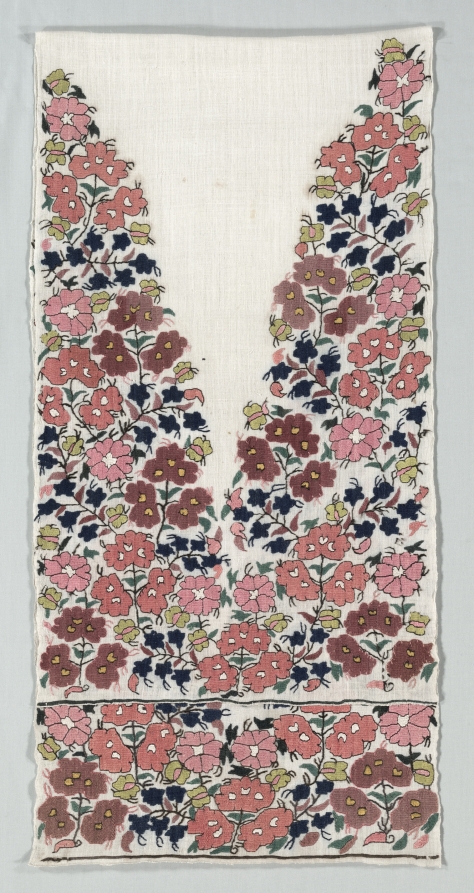
The Scarf as Artefact: A Study in Imperial Silk Weaving and Modern Materiality
Introduction: The Scarf Beyond Adornment
The scarf, often dismissed as a mere accessory, is in fact a profound document of material culture. When crafted from silk, it transcends its utilitarian function to become a repository of imperial legacy, artisanal mastery, and economic history. At the Lauren Fashion Heritage Lab, we treat each scarf not as a transient fashion object, but as a tangible link to the intricate networks of trade, power, and craftsmanship that defined the silk weaving traditions of empires past. This paper examines the scarf through the lens of materiality—specifically, the properties of silk—and its enduring connection to the legacy of imperial silk weaving, a heritage that continues to inform contemporary luxury and design.
Materiality of Silk: The Fabric of Empire
Silk is no ordinary fibre. Its molecular structure—a continuous protein filament secreted by the Bombyx mori silkworm—grants it unparalleled tensile strength, natural lustre, and a remarkable ability to absorb dye. These properties made silk the preferred textile of imperial courts from the Han Dynasty to the Byzantine Empire and beyond. The scarf, as a silk artefact, embodies this material legacy. Its lightweight drape, thermal regulation, and tactile softness are not accidental; they are the result of millennia of selective breeding and weaving techniques honed under imperial patronage.
In the context of imperial silk weaving, the scarf served as a canvas for political and cultural expression. Chinese imperial workshops, such as those in Suzhou and Nanjing, produced silk scarves and panels adorned with dragons, phoenixes, and cloud motifs—symbols of celestial authority. The materiality of silk allowed for intricate patterns that were impossible to achieve with wool or linen. The warp and weft of these scarves were often woven with gold thread, a technique known as kesi (cut silk), which required months of labour by master weavers. Each scarf was not merely a garment but a statement of sovereignty, a microcosm of imperial ideology woven into fabric.
The Imperial Silk Legacy: From the Silk Road to Savile Row
The legacy of imperial silk weaving is not confined to ancient dynasties. It is a living tradition that has been transmitted through trade routes, colonial enterprises, and the establishment of luxury houses. The Silk Road, spanning over 6,000 kilometres, facilitated the exchange of silk from China to Persia, the Levant, and Europe. By the 16th century, Italian city-states like Venice and Florence had established their own silk weaving industries, inspired by Ottoman and Chinese techniques. The scarf, as a portable luxury item, became a symbol of status across empires. In the courts of Louis XIV, silk scarves were imported from Lyon, where royal workshops produced elaborate designs for the French aristocracy.
This imperial legacy directly informs the materiality of the modern scarf. The jacquard loom, invented by Joseph Marie Jacquard in 1804, was a direct descendant of the drawlooms used in Chinese and Byzantine silk weaving. The jacquard mechanism, which used punched cards to control pattern weaving, revolutionised the production of complex silk scarves. Today, the Hermès scarf, for example, is a direct heir to this tradition. Each Hermès carré requires up to 18 months of development, with designs hand-engraved and printed on silk twill. The materiality of the scarf—its weight, its drape, its ability to hold a pattern—is a testament to the imperial weaving techniques that preceded it.
Materiality and Authenticity: The Scarf as Heritage Object
In the context of heritage research, the scarf’s materiality offers a unique window into authenticity. A silk scarf from the Qing Dynasty, for instance, can be analysed through its fibre composition, dye chemistry, and weave structure. Microscopic examination of the silk filaments reveals the presence of sericin, a gum-like protein that is often removed in modern processing. Imperial silks were typically degummed less aggressively, preserving a slightly stiffer hand and a subtle sheen that differs from contemporary machine-washed silk. Similarly, natural dyes—such as indigo, madder, and cochineal—can be identified through high-performance liquid chromatography (HPLC), linking the scarf to specific geographic and temporal origins.
This material analysis is not merely academic. For the Lauren Fashion Heritage Lab, it informs our understanding of how imperial silk weaving techniques have been preserved, adapted, or lost. The scarf, as a small-format textile, often survived in better condition than larger garments, making it an ideal artefact for studying historical weaving patterns. For example, a 19th-century silk scarf from the Ottoman Empire might exhibit a brocade weave with metallic threads, a technique that required the weaver to manually insert supplementary wefts. This labour-intensive process, once reserved for imperial commissions, is now rare, but its legacy can be seen in the hand-finished edges of luxury scarves from brands like Missoni or Etro.
Contemporary Relevance: The Scarf in the Age of Sustainability
The materiality of silk also carries implications for modern sustainability. Silk production, while natural, is resource-intensive. Imperial silk weaving often relied on sericulture systems that were integrated into local economies, with mulberry trees cultivated alongside rice paddies. Today, the demand for cheap silk has led to environmental degradation and labour exploitation. However, the scarf as a heritage object offers a counter-narrative. Brands that prioritise slow fashion—such as those using organic silk, natural dyes, and hand-weaving techniques—are directly referencing the imperial legacy of quality over quantity. The scarf becomes a vehicle for ethical consumption, a tangible reminder that luxury need not be disposable.
At the Lauren Fashion Heritage Lab, we advocate for a return to materiality as a form of resistance against fast fashion. The silk scarf, when produced with the same care as an imperial artefact, is not a seasonal trend but a lifelong companion. Its material properties—its ability to be repaired, re-dyed, and passed down through generations—align with the principles of circular fashion. This is not nostalgia; it is a pragmatic response to the environmental crisis, grounded in the wisdom of imperial silk weavers who understood that the finest materials are those that endure.
Conclusion: The Scarf as a Living Archive
The scarf, in its materiality of silk, is far more than a piece of cloth. It is a living archive of imperial ambition, artisanal skill, and global exchange. From the dragon motifs of the Forbidden City to the equestrian prints of the Rue du Faubourg Saint-Honoré, the scarf carries the weight of history in every thread. For the heritage specialist, it offers a unique opportunity to study the intersection of material science, cultural identity, and economic power. As we navigate the challenges of the 21st century, the scarf reminds us that the legacy of imperial silk weaving is not a relic of the past but a blueprint for a more thoughtful, material-conscious future.
The scarf, in its finest form, is a testament to the enduring power of silk—a fibre that has clothed emperors, inspired revolutions, and now, in the hands of the Lauren Fashion Heritage Lab, continues to teach us about the value of craft, heritage, and material integrity.