From Terracotta to Tailoring: The Etruscan Skyphos as a Blueprint for 2026 Old Money Silhouettes
Introduction: The Archaeology of Silence
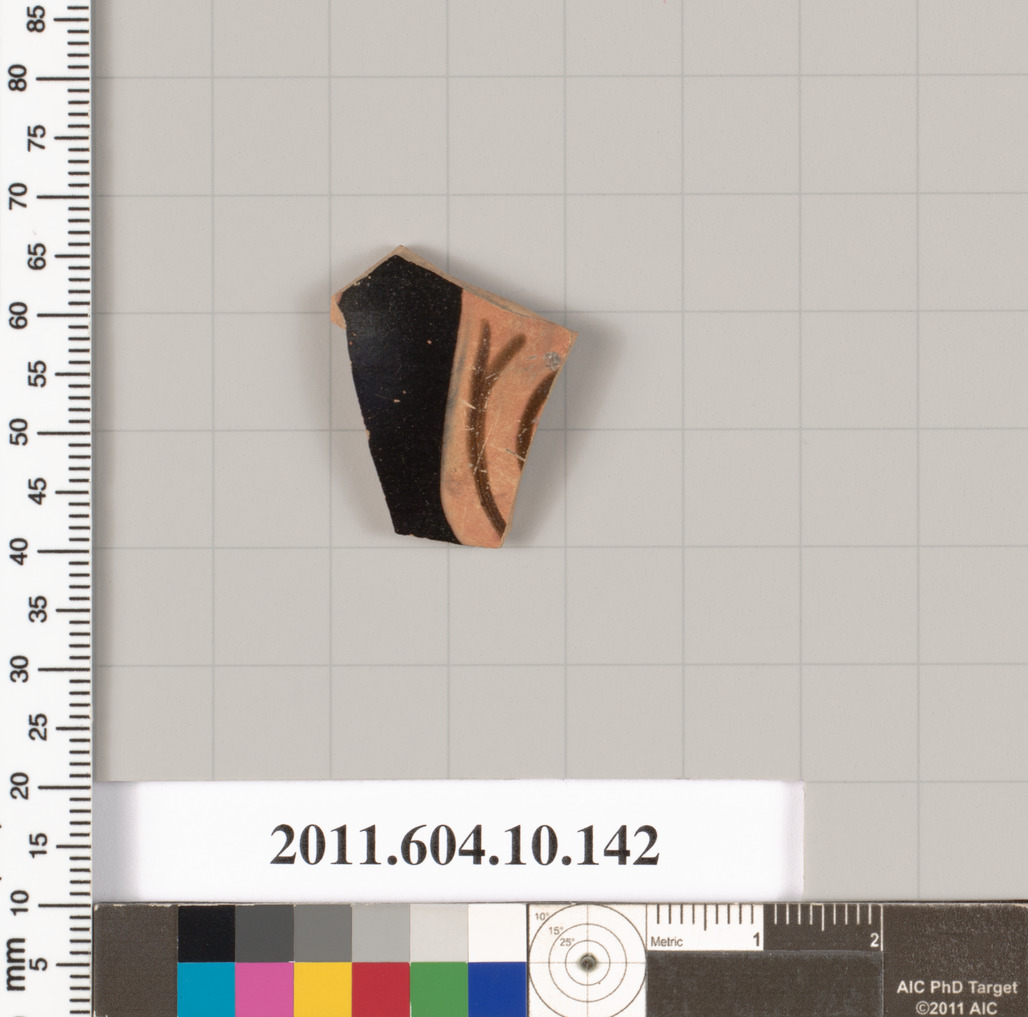
In the Lauren Fashion Heritage Lab, we do not merely study garments; we excavate the philosophical strata from which style emerges. The museum artifact under consideration—a terracotta fragment of an Etruscan skyphos, or deep drinking cup—appears at first glance to be a humble shard of antiquity. Yet, when read through the internal genetic code of our heritage, this fragment becomes a profound artifact of existential aesthetics. The Etruscan skyphos, like the Eastern jar and the Socratic cup of hemlock, is a vessel of containment and release. Its terracotta body, fired from earth and returned to earth, embodies a cycle of creation, utility, and decay that mirrors the human condition. For the 2026 Old Money silhouette, this artifact offers a radical counter-narrative to the ephemeral excess of fast fashion. It whispers of a heritage-black ethos: not the black of mourning, but the black of fertile soil, of the void that gives form, of the disciplined restraint that precedes true elegance.
The Terracotta Fragment: Materiality and Metaphor
The skyphos fragment, with its curved lip and residual traces of black-glaze slip, is a study in material honesty. Terracotta—literally “baked earth”—is among humanity’s oldest manufactured materials. Its porous surface, its warm ochre hue, its susceptibility to breakage: these are not flaws but testimonies to a life lived. In the Etruscan context, such cups were used for symposiums, rituals, and daily libations. They held wine, water, and the breath of conversation. The fragment we possess is not a pristine museum piece; it is a survivor, bearing the scars of burial, excavation, and handling. This patina of use is precisely what the 2026 Old Money silhouette must reclaim. In an era of disposable luxury, the new heritage aesthetic demands garments that age gracefully, that acquire character through wear, that tell a story of continuity rather than novelty.
The black-glaze slip on the skyphos is particularly instructive. This was not a decorative afterthought but a functional seal, rendering the vessel impermeable. In fashion terms, this translates to finishing as philosophy. The 2026 Old Money silhouette rejects raw edges and unfinished hems. Instead, it embraces the meticulous construction of a double-breasted jacket, the hand-stitched lapel, the weighted lining that allows a coat to drape like a second skin. Just as the Etruscan potter understood that form follows function—that a cup must hold liquid without leaking—the heritage designer understands that a garment must hold the body with quiet authority. The terracotta fragment teaches us that true luxury is invisible until it is absent.
Void and Volume: The Silhouette of Containment
The skyphos is defined by its interior void. It is the empty space within that gives the vessel its purpose. This principle of negative space is the cornerstone of the 2026 Old Money silhouette. Where contemporary fashion often amplifies the body through padding, exaggeration, or deconstruction, the heritage-black approach seeks to contain and refine. The silhouette is not a celebration of volume but a meditation on restraint. Think of a tailored overcoat that skims the body without clinging, a pair of wool trousers that fall with a clean break, a cashmere turtleneck that envelops the neck without choking. These garments create a void around the wearer—a zone of personal sovereignty that is both protective and inviting.
This is the Etruscan principle of symposium dressing. The skyphos was passed from hand to hand, shared among equals. Its form facilitated conviviality without intimacy. Similarly, the 2026 Old Money silhouette is designed for social architecture. It is not armor but a vessel for interaction. The shoulders are structured but not aggressive; the waist is defined but not cinched; the length is generous but not theatrical. The wearer is not a spectacle but a presence. As the internal genetic code reminds us, the Eastern jar “does not point to the beyond but is rooted in the smoke of human hearths.” The Etruscan skyphos, too, belongs to the realm of the everyday sublime. It is a reminder that the most enduring luxury is that which serves life.
Color as Cosmology: The Heritage-Black Palette
The black glaze of the skyphos is not a color of negation but of primordial depth. In the Lauren Heritage Lab, we identify this as heritage-black: a hue that absorbs light rather than reflecting it, that suggests the fertile soil of the Etruscan tombs, the ink of ancient manuscripts, the void from which all form emerges. For 2026, this black is the foundation of the Old Money palette. It is paired not with bright accents but with earthy neutrals: the ochre of terracotta, the umber of aged leather, the ivory of unbleached linen, the charcoal of weathered stone. These are not trend colors; they are geological colors, drawn from the earth and the kiln.
The terracotta fragment also teaches us about textural contrast. The matte body of the clay against the glossy slip creates a dialogue of light and shadow. In the 2026 silhouette, this translates to the juxtaposition of napped wool against smooth silk, brushed cashmere against polished leather, raw linen against dense brocade. The effect is not decorative but tactile and philosophical. Each texture invites the hand, each surface tells a story of making. The heritage-black garment is not a flat plane but a landscape of subtle variation, a topography of craft that rewards close attention.
Conclusion: The Eternal Return of the Vessel
The Etruscan skyphos fragment, broken yet whole in its testimony, offers the 2026 Old Money silhouette its deepest lesson: beauty is not in the avoidance of decay but in the embrace of finitude. Just as Socrates drank the hemlock with philosophical clarity, and the Eastern jar holds its emptiness with quiet dignity, the heritage-black garment accepts its own mortality. It will fray, it will fade, it will be mended. These are not failures but proofs of life. The 2026 silhouette is not a monument to perfection but a vessel for living. It is designed to be passed down, to be worn in rain and sun, to hold the memory of the body that inhabited it.
In the end, the terracotta fragment and the tailored coat are kin. Both are containers of the human. Both emerge from earth and return to it. Both remind us that the most profound luxury is not the accumulation of things but the consciousness of their use. As we design for 2026, we do not chase the new. We return to the old—the kiln, the loom, the hand—and find there the eternal shape of grace.