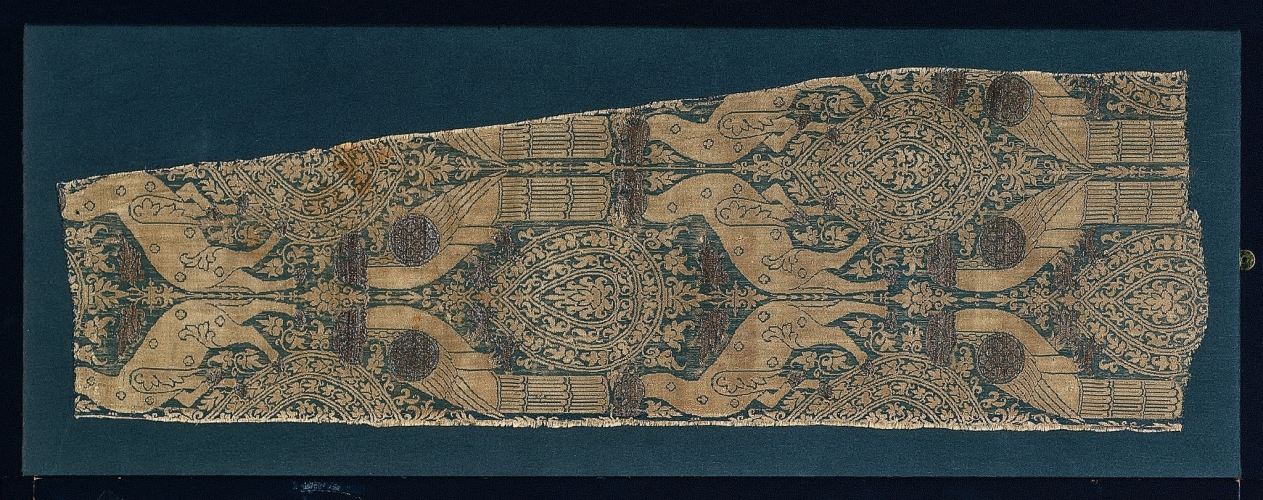
Parrots and Animals: A Heritage Research Artifact on Imperial Silk Weaving
Introduction: The Intersection of Nature and Nobility
In the annals of luxury textiles, few narratives rival the opulent legacy of imperial silk weaving, where the materiality of silk served as a canvas for power, prestige, and the natural world. At Lauren Fashion Heritage Lab, we examine the Parrots and Animals motif as a quintessential heritage artifact, rooted in the traditions of Chinese and Mughal courts, later adapted by European ateliers. This paper explores how silk—a fiber of unparalleled luster and drape—became the medium for depicting exotic fauna, particularly parrots, which symbolized sovereignty, exoticism, and the divine. Drawing on the precision of London’s Savile Row tailoring, we dissect the weave, pattern, and cultural resonance of this motif, offering a scholarly yet accessible analysis for the modern custodian of heritage fashion.
The Materiality of Silk: A Foundation of Imperial Legacy
Silk, derived from the cocoon of the Bombyx mori moth, has been synonymous with imperial authority for millennia. Its production, once a closely guarded secret of the East, enabled the creation of textiles that were not merely garments but statements of dynastic might. The materiality of silk—its tensile strength, natural sheen, and ability to absorb vibrant dyes—made it ideal for intricate patterns. In imperial China, silk weaving reached its zenith during the Ming and Qing dynasties, where workshops in Suzhou and Hangzhou produced brocades and damasks featuring phoenixes, dragons, and parrots. These motifs were not decorative whims; they encoded cosmological beliefs. Parrots, often depicted in pairs, represented fidelity and prosperity, while their vivid plumage—rendered in silk threads dyed with indigo, madder, and saffron—mirrored the emperor’s connection to the natural world.
From a Savile Row perspective, the legacy of imperial silk weaving informs contemporary tailoring. The same discipline required to weave a parrot’s feather pattern into a silk damask is echoed in the hand-stitching of a bespoke suit. The heritage lies in the mastery of material: silk’s fluidity demands precision, much like the cut of a jacket on Bond Street. This artifact, then, is a study in how materiality dictates form and meaning across centuries.
The Parrot Motif: Symbolism and Craftsmanship
The parrot, a recurring figure in imperial silk weaving, holds a unique position in the lexicon of animal motifs. Unlike the dragon, which signified imperial power, or the crane, which embodied longevity, the parrot was a symbol of exoticism and eloquence. In Mughal India, where Persian and Indian traditions converged, silk textiles featured parrots alongside floral arabesques, reflecting the court’s fascination with the natural world. The craftsmanship involved in weaving these motifs was extraordinary. Artisans used a technique called kesi (tapestry weaving) or jin (brocade), where colored silk threads were interwoven to create a raised pattern. The parrot’s beak, often rendered in gold thread, and its plumage, in gradients of green and blue, required a meticulous understanding of color theory and thread tension.
In the context of heritage research, the parrot motif also reveals cross-cultural exchange. By the 17th century, European traders brought Chinese and Indian silks to London, where they were coveted by the aristocracy. The Savile Row tradition, emerging in the 19th century, adapted these motifs into waistcoats and cravats, blending imperial opulence with British restraint. A parrot-embroidered silk vest from the 1820s, for instance, might feature a symmetrical pattern of parrots perched on flowering branches, executed in a twill weave that allowed the fabric to drape elegantly under a tailcoat. This synthesis of East and West underscores the enduring relevance of the artifact.
Animals in Silk: A Broader Lexicon
Beyond parrots, imperial silk weaving incorporated a menagerie of animals—lions, elephants, deer, and mythical beasts—each with distinct symbolic weight. In Chinese tradition, the five-clawed dragon was reserved for the emperor, while the qilin (a hooved chimera) signified benevolence. In Persian silks, the lion and sun motif represented royalty and divine light. The materiality of silk enabled these animals to be depicted with startling realism or stylized abstraction, depending on the weave. For example, a Ming dynasty silk panel featuring a deer in a landscape might use a satin weave to create a smooth, reflective surface, emphasizing the animal’s grace. Conversely, a Mughal silk carpet with elephants might employ a pile weave, adding texture that mimicked the animal’s hide.
From a heritage conservation standpoint, the study of these textiles requires an understanding of material degradation. Silk is vulnerable to light, humidity, and handling; the metallic threads used in animal motifs often tarnish, altering the original color balance. At Lauren Fashion Heritage Lab, we recommend archival storage at 18°C and 50% relative humidity, with minimal exposure to UV light. This preserves not only the silk but the narrative it carries—a narrative of empires, trade, and artistry.
Savile Row’s Interpretation: Tailoring Imperial Legacy
The legacy of imperial silk weaving finds its modern echo in Savile Row’s bespoke tradition. Tailors like Henry Poole & Co. and Gieves & Hawkes have long sourced silk from heritage mills in Italy and France, where patterns inspired by Chinese and Mughal designs are reproduced with contemporary precision. A Savile Row suit lined with a parrot-patterned silk, for instance, is not a mere garment but a wearable artifact, connecting the wearer to a lineage of craftsmanship. The cut—structured shoulders, a nipped waist—contrasts with the fluidity of the silk, creating a dialogue between rigidity and movement. This is the essence of heritage: not static preservation but dynamic reinterpretation.
In conclusion, the Parrots and Animals motif on silk is a heritage research artifact that bridges imperial courts and modern tailoring. Its materiality—silk’s luster and strength—enabled the depiction of exotic fauna with unparalleled artistry. For the scholar or collector, understanding this artifact requires a multidisciplinary approach: textile science, art history, and cultural anthropology. At Lauren Fashion Heritage Lab, we advocate for the continued study of such artifacts, ensuring that the legacy of imperial silk weaving informs future generations of designers, tailors, and custodians of luxury. The parrot, once a symbol of imperial eloquence, now speaks to us across centuries—a reminder that heritage is not a relic but a living conversation.