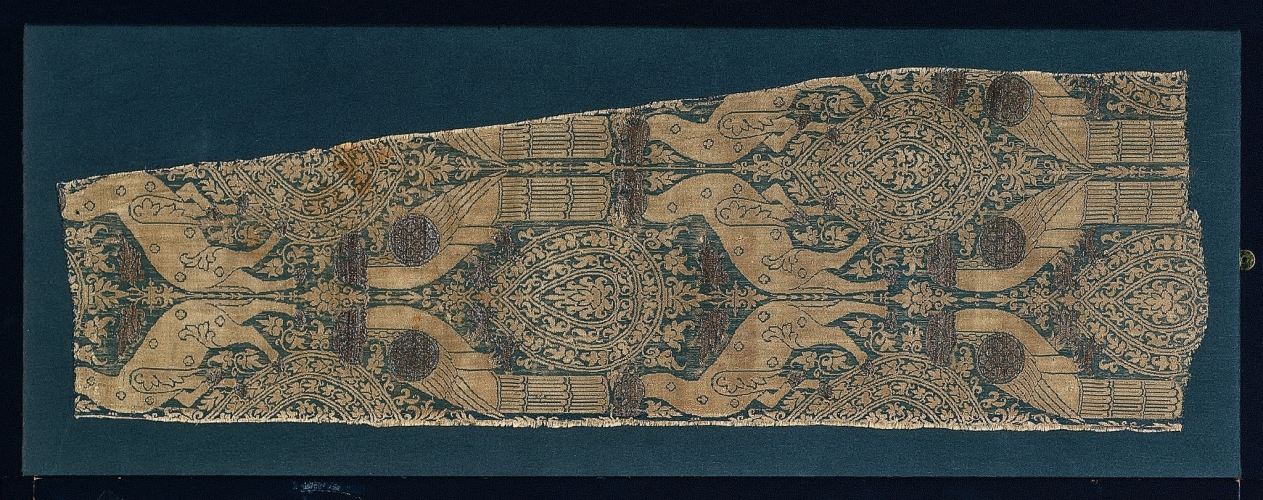
Heritage Research Artifact: Parrots and Animals in Imperial Silk Weaving
Introduction: The Materiality of Silk as Imperial Narrative
Silk, as a material, is not merely a textile; it is a document of power, a repository of cultural memory, and a medium through which imperial ambitions were woven into the very fabric of civilization. Within the Lauren Fashion Heritage Lab, we examine silk not as a passive substrate but as an active agent in the construction of heritage. The subject of this artifact—parrots and animals rendered in silk—offers a singular lens through which to understand the legacy of imperial silk weaving, particularly within the context of Chinese, Mughal, and European courts. The parrot, a creature of exotic plumage and mimicry, serves as a metaphor for the cross-cultural pollination that silk itself embodies. This paper argues that the materiality of silk, combined with the iconography of parrots and animals, reveals a complex interplay of status, trade, and artistic synthesis that defines the imperial silk tradition.
The Imperial Silk Weaving Legacy: A Foundation of Craft and Control
Imperial silk weaving, from the Han dynasty to the Qing, and from the Safavid looms to the French ateliers of Lyon, was never a purely aesthetic pursuit. It was a state-sponsored enterprise, a tool of diplomacy, and a marker of sovereignty. The materiality of silk—its lustre, its ability to absorb and reflect light, its tensile strength—made it the ideal medium for encoding hierarchical narratives. In imperial China, the Jiangnan silk workshops produced brocades and satins that were reserved exclusively for the emperor and his court. The kesi technique, or “cut silk,” allowed for the meticulous depiction of animals, each imbued with symbolic meaning. The parrot, introduced to China via the Silk Road from Southeast Asia and India, was a rare and prized creature, often associated with eloquence, fidelity, and the exotic. When woven into silk, the parrot became a signifier of the emperor’s reach—a living tribute from distant lands, rendered eternal in thread.
Similarly, in Mughal India, the kinkhab and jamawar silks of the imperial looms featured parrots and animals as part of a broader Persianate aesthetic. The Mughal emperor Jahangir, a naturalist and patron of the arts, commissioned silk textiles that depicted parrots alongside lions, deer, and floral motifs. These were not mere decorations; they were assertions of the emperor’s dominion over nature and his ability to command the finest materials from across his realm. The silk itself, often imported from Persia or China and rewoven in Indian workshops, embodied the very trade networks that sustained the empire. The parrot, in this context, was a symbol of the court’s cosmopolitanism—a creature that could speak, mimic, and adapt, much like the Mughal court itself.
Parrots and Animals: Iconography and the Language of Power
The iconography of parrots and animals in imperial silk is not arbitrary. Each creature carries a weight of meaning that is both universal and culturally specific. The parrot, in particular, occupies a unique position. In Chinese iconography, the parrot is often paired with the peony or the pomegranate, symbolizing beauty and fertility. In Persian and Mughal art, the parrot is a messenger of love, a motif drawn from Sufi poetry and the Mantiq al-Tayr (Conference of the Birds). When woven into silk, these meanings are amplified by the material’s inherent luxury. The parrot’s green and red plumage, rendered in silk thread, becomes a study in contrast—a visual reminder of the natural world tamed and transformed by human hands.
Other animals, such as the dragon, phoenix, lion, and deer, appear frequently in imperial silks. The dragon, a symbol of imperial authority in China, is often depicted in dynamic poses, its scales rendered in gold or silver thread. The phoenix, representing the empress, is woven in soft pinks and blues. In European silks, particularly those from the Lyonnais looms of the 17th and 18th centuries, animals such as the peacock and the parrot were incorporated into chinoiserie designs, reflecting a European fascination with the East. These textiles were not merely decorative; they were statements of wealth and global reach. The parrot, in this context, became a symbol of the exotic—a creature that could be possessed, displayed, and admired, much like the silk itself.
Materiality and Technique: The Craft of Imperial Silk
The production of imperial silk was a feat of technical mastery. The warp and weft of silk brocade, the use of gold thread (often made from gilded paper or animal gut wrapped around silk), and the compound weave structures required years of apprenticeship and a deep understanding of material properties. The kesi technique, for example, allowed for the creation of pictorial tapestries in silk, where each colour was woven separately, creating a sharp, almost painted effect. This technique was particularly suited to depicting animals, as it allowed for fine detail in feathers, fur, and scales.
In the Mughal ateliers, the pashmina and silk blend textiles were woven on pit looms, with weavers working in teams to produce lengths of fabric that could take months to complete. The ikat technique, where threads are dyed before weaving, was used to create intricate patterns of parrots and animals, their forms emerging from the blur of resist-dyed threads. The materiality of silk—its ability to hold dye, its smoothness against the skin—made it the ideal canvas for these complex designs. The parrot, with its vivid colours, was a natural subject for ikat, as the technique’s inherent softness of line echoed the bird’s plumage.
Cross-Cultural Synthesis: The Parrot as a Global Motif
The legacy of imperial silk weaving is not confined to a single culture. The parrot, as a motif, travelled along the same trade routes as the silk itself. From the Chinese looms of Suzhou to the Persian workshops of Isfahan, and from the Mughal courts of Agra to the French manufactories of Lyon, the parrot was reimagined and recontextualized. In 18th-century Europe, the Spitalfields silks of London and the Lyonnais silks of France featured parrots in chinoiserie and indienne patterns, reflecting a taste for the exotic that was fuelled by colonial trade. These silks were worn by the aristocracy and the emerging merchant class, who used them to signal their sophistication and global connections.
The materiality of silk facilitated this cross-cultural exchange. Silk is a fibre that can be dyed, woven, and embroidered with equal facility, allowing it to absorb and reflect the aesthetic traditions of different cultures. The parrot, as a motif, became a site of cultural negotiation—a symbol that could be adapted to local tastes while retaining its exotic allure. In this sense, the parrot in silk is a metaphor for the material itself: a product of nature, transformed by human ingenuity, and circulated across the globe as a marker of status and connection.
Conclusion: The Enduring Legacy of Parrots and Animals in Silk
The heritage of imperial silk weaving, as exemplified by the depiction of parrots and animals, is a testament to the power of material culture to encode and transmit complex narratives. Silk is not merely a fabric; it is a historical document, a work of art, and a symbol of the human desire to capture and control the natural world. The parrot, with its vivid colours and ability to mimic speech, is a fitting emblem for this legacy. It reminds us that the stories we weave into our textiles are never static—they are constantly being reinterpreted, reimagined, and rewoven across time and space. For the Lauren Fashion Heritage Lab, the study of these artifacts is not an exercise in nostalgia but a critical engagement with the past that informs our understanding of the present. The parrot in silk is a call to listen—to the voices of the weavers, the merchants, and the courts that shaped our material world.
Keywords: Silk, Parrots, Animals, Imperial Weaving, Materiality, Cross-Cultural Synthesis, Heritage, Savile Row, Lauren Fashion Heritage Lab.