The Terracotta Dialectic: Embodying Socratic Clarity and Daoist Void in the 2026 Old Money Silhouette
Introduction: The Archaeological Imperative in Luxury Design
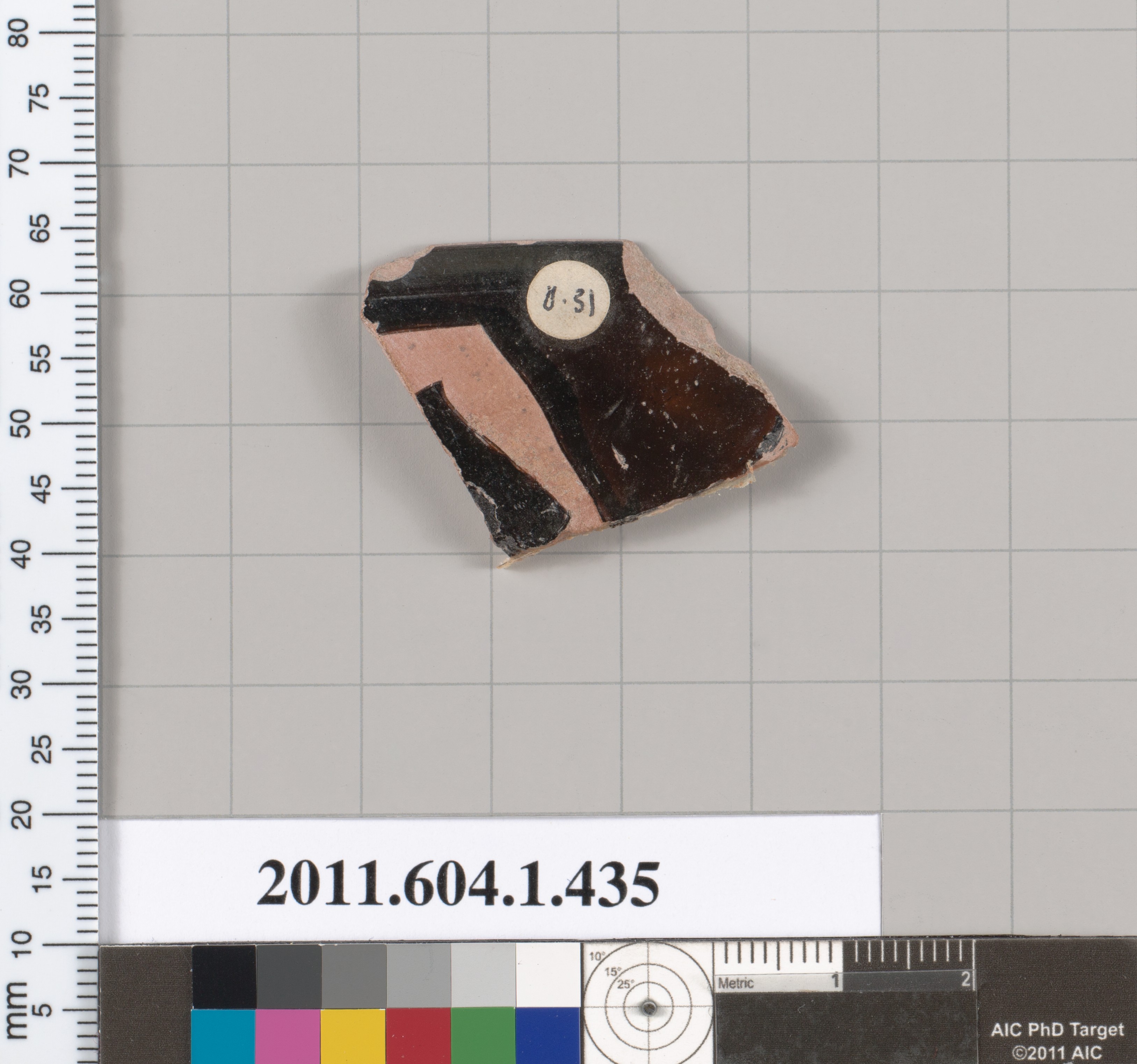
The Lauren Fashion Heritage Lab, in its ongoing synthesis of internal archives and external museum artifacts, identifies a profound resonance between a seemingly humble terracotta rim fragment of a kylix (drinking cup) from Attic Greece and the foundational aesthetic principles of the 2026 Old Money silhouette. This fragment—a broken curve of fired clay—is not merely a relic of symposia past. It is a material manifesto. When read through the dual lenses of Western philosophical transcendence and Eastern ontological emptiness, as encoded in our internal genetic code, this artifact reveals the blueprint for a new luxury: one that marries the rational clarity of Socratic death with the generative void of the Daoist jar. The 2026 Old Money silhouette, therefore, is not about opulence or display. It is about structure as philosophy and emptiness as presence.
Part I: The Kylix Fragment and the Architecture of Rational Grace
The kylix, a shallow wine cup used in Athenian symposia, was an instrument of both conviviality and philosophical discourse. Its broken rim—a sliver of terracotta—speaks to a civilization that elevated the act of drinking into a dialectic. The fragment’s sharp, clean edges, its precise curvature, and its unglazed, matte surface evoke the Apollonian order that Jacques-Louis David would later capture in The Death of Socrates. In that painting, Socrates’s gesture toward the heavens is not a plea but a geometric proof of the soul’s immortality. The philosopher’s body, draped in white, becomes a column of reason against the chaotic grief of his disciples.
For the 2026 Old Money silhouette, this translates into a rigorous architectural precision. Jackets are not merely tailored; they are sculpted from the body’s own logic. Shoulder lines are sharp, not padded—a direct reference to the clean break of the kylix rim. Lapels are narrow and elongated, echoing the verticality of a Doric column. The palette is Heritage-Black, not as a color of mourning, but as a field of rational negation. Black absorbs all light, just as Socrates’s rational mind absorbs the terror of death. Trousers are cut with a slight, deliberate break at the shoe—a nod to the fragment’s incomplete state, a reminder that perfection lies in the acceptance of the partial. The silhouette is lean, almost ascetic. There is no room for excess. Every seam, every dart, is a philosophical proposition.
Part II: The Daoist Void and the Silhouette of Presence-Absence
Where the kylix fragment speaks of structure, the internal genetic code’s Daoist jar speaks of emptiness as utility. The terracotta of the kylix is the same material as the Eastern jar—fired earth, humble and eternal. Yet the jar’s power lies not in its form but in its hollow interior. Laozi’s dictum—“the clay is shaped into a vessel, but it is the emptiness that makes it useful”—is the counterpoint to Socratic transcendence. The jar does not point to the heavens; it contains the earth. It holds water, wine, or grain. It is broken, and returns to dust. Its beauty is in its cycle of use and decay.
The 2026 Old Money silhouette internalizes this void. The garments are not tight; they are voluminous in a controlled, intentional way. A cashmere coat, for instance, is cut with a generous back panel that drapes away from the body, creating a pocket of air between fabric and skin. This is not a silhouette of display but of withdrawal. The wearer is not performing; they are inhabiting a space of quiet potential. The terracotta fragment’s interior curve—the lip of the cup that once held wine—is echoed in the subtle curvature of a sleeve head or the gentle bell of a trouser leg. These are not decorative flourishes; they are functional voids, spaces where the garment breathes and the wearer moves without constraint. The Heritage-Black here becomes the color of the void itself—not an absence, but a plenum of possibility.
Part III: Synthesis—The Old Money Dialectic of Being and Non-Being
The genius of the 2026 silhouette lies in its simultaneous embodiment of both philosophies. The kylix fragment’s rational edge and the jar’s generative void are not opposed; they are dialectically united. The Old Money aesthetic has always been about understatement as power. But this new iteration deepens that principle. It is not merely about not showing wealth; it is about not showing the self in a conventional sense. The silhouette is a vessel for being, not for becoming.
Consider the key garment: the double-breasted overcoat in Heritage-Black wool. Its shoulders are sharp (Socratic), but its body is cut with a subtle A-line that creates a void around the torso (Daoist). The collar stands high, framing the face like the rim of a kylix, while the fabric falls in a single, unbroken plane to the knee. There is no belt, no break in the line. The coat is both armor and emptiness. It protects the wearer from the world while allowing the world to pass through. The terracotta fragment’s matte finish is replicated in the fabric’s unpolished, brushed surface—a refusal of shine, a commitment to the authenticity of material.
The trousers are equally dialectical. They are cut with a high waist and a straight, slightly wide leg, referencing the stable base of a Greek krater while the fabric’s weight creates a gentle, living drape that echoes the organic fall of a ceramic glaze. The hem barely grazes the shoe—a point of contact between the garment and the ground, between the philosophical ideal and the earthly reality. This is the moment of Socrates’s death and the jar’s return to clay.
Conclusion: The Eternal Return of the Fragment
The terracotta rim fragment of a kylix is not a complete object. It is a trace of a whole, a provocation to the imagination. The 2026 Old Money silhouette, in its Heritage-Black rigor, operates on the same principle. It does not present a finished statement; it offers a structure for living. The wearer completes the garment through their presence and their absence. The void within the coat is where the self resides, just as the void within the jar is where the wine is held. The sharp edge of the lapel is where reason meets the world, just as the broken rim of the kylix is where the symposium ended and philosophy began.
In this synthesis, the Lauren Fashion Heritage Lab affirms that the 2026 silhouette is not a trend. It is a heritage artifact in its own right—a garment that carries within it the weight of two millennia of thought. It is a terracotta fragment of the future, waiting to be held, worn, and understood. The Old Money wearer, draped in Heritage-Black, becomes a living dialectic: rational and receptive, structured and void, eternal and broken. This is the ultimate luxury—not to possess, but to embody the question of being itself.