← BACK TO ARCHIVES
Silk
Heritage Synthesis: Panel
Curated on Jul 06, 2026 // Node: LDN-01
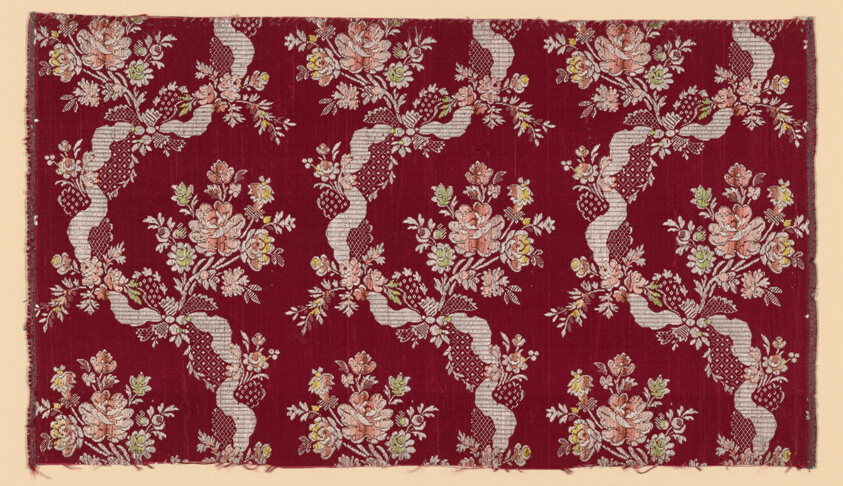
The Panel: A Study in Materiality and the Unseen Architecture of Elegance
In the hushed ateliers of London’s Savile Row, where the language of cloth is spoken with the precision of a bespoke cutter’s chalk, the panel is not merely a segment of fabric. It is a foundational document. At Lauren Fashion Heritage Lab, we approach the panel—specifically one constructed from silk in a plain weave with additional patterned warps—as a critical artifact of material intelligence. This is not a garment; it is a proposition. It speaks to the silent, structural dialogue between thread and hand, between the rigidity of a weave and the fluidity of a silhouette. To understand this panel is to understand the very grammar of classic silk craftsmanship.
Materiality: The Silk Substrate and the Plain Weave Foundation
The foundation of this artifact is silk, a protein filament of unparalleled historical and tactile significance. In the context of Savile Row, silk is not a novelty; it is a discipline. The plain weave—the simplest, most fundamental interlacing of warp and weft—serves as the canvas. This structure, where each weft thread passes over and under every warp thread, creates a fabric of remarkable stability and clarity. It is the “white shirt” of weaving: unadorned, rigorous, and utterly dependent on the quality of its execution.
The plain weave provides the structural integrity required for a panel that must hold a shape while simultaneously yielding to movement. In a Savile Row garment, this is non-negotiable. The silk’s natural lustre is not suppressed by the weave; rather, it is allowed to speak with a quiet, even voice. The surface is smooth, almost glassy, reflecting light with a diffused, aristocratic glow. This is not the aggressive shine of synthetic satin; it is the soft, internal radiance of a material that has been coaxed, not forced.
The Intervention: Additional Patterned Warps
The true sophistication of this panel lies in the additional patterned warps. This is where the plain weave’s austerity is disrupted by a deliberate act of architectural embellishment. In traditional silk weaving, the warp is the backbone. Here, supplementary warp threads are introduced, running parallel to the ground warp but operating on a separate, controlled tension. These are not merely decorative; they are structural counterpoints.
These patterned warps create a subtle, raised relief on the fabric’s surface. They might form a delicate stripe, a faint geometric grid, or an almost imperceptible herringbone. The effect is not one of overt pattern, but of textural depth. To the eye, the panel appears solid; to the touch, it reveals a topography of fine lines and micro-shadows. This is the hallmark of classic craftsmanship: the pattern is not applied but *woven in*. It is integral, permanent, and invisible to the casual observer.
From a technical standpoint, the additional warps introduce a controlled tension differential. The ground warp provides the stability; the patterned warps introduce a slight, localized pull. This creates a fabric that, when cut and draped, will behave with a specific, predictable fluidity. The panel will not simply fall; it will *settle*. It will hold a crease with the memory of a bespoke trouser, yet flow with the grace of a silk scarf. This is the essence of fluid elegance—a paradox resolved through material engineering.
Context: Classic Silk Craftsmanship and the Savile Row Ethos
To place this panel within the context of classic silk craftsmanship is to acknowledge a lineage that stretches from the looms of Como to the cutting tables of Mayfair. In Savile Row, silk is rarely used for its own sake. It is employed as a tool for achieving a specific drape, a particular weight, a certain acoustic quality in the rustle of a lining. The panel, therefore, is not a final product but a prototype of possibility.
The additional patterned warps speak to a philosophy of *restrained opulence*. A Savile Row client does not seek to shout; they seek to be understood by those who know the language. The subtle pattern is a code, decipherable only by the discerning eye. It signals a commitment to the unseen—to the hours of hand-weaving, the precise tensioning of threads, the knowledge that true luxury is not in the amount of gold thread used, but in the intelligence of its placement.
Consider the panel’s potential application. In a tailored jacket, this fabric would be used for a lining or a facing—a hidden detail that the wearer feels against their skin, a private pleasure. In a dress, it might form the bodice, where the plain weave provides structure and the patterned warps create a subtle, shifting surface that catches the light with every breath. The fluidity is not accidental; it is engineered. The silk’s natural suppleness is controlled by the plain weave’s discipline, while the additional warps introduce a directional flow, guiding the eye and the fabric’s fall.
Preservation and Interpretation: The Artifact’s Legacy
As a heritage artifact, this panel demands a specific mode of preservation. It must be stored flat, away from light, in a climate-controlled environment. Its value is not merely aesthetic but pedagogical. For the students and artisans at Lauren Fashion Heritage Lab, it serves as a masterclass in material logic. It teaches that elegance is not a surface effect but a structural condition.
The panel also challenges the contemporary fashion industry’s obsession with speed and novelty. In an era of digital printing and mass production, this artifact reminds us that true innovation often lies in the refinement of ancient techniques. The additional patterned warps are not a new invention; they are a rediscovery of a method that has been practiced for centuries in the silk workshops of Asia and Europe. The panel is a bridge between past and future, a tangible argument for the enduring relevance of craft.
Conclusion: The Unspoken Dialogue of Threads
In the end, this silk panel is a conversation. The plain weave speaks of foundation, of the unshakeable ground upon which all else is built. The additional patterned warps whisper of intention, of the hand that chose to intervene, to add, to elevate. Together, they create a fabric that is both a testament to classic silk craftsmanship and a living, breathing material capable of fluid elegance.
At Lauren Fashion Heritage Lab, we do not simply catalog such artifacts. We listen to them. This panel tells us that the most profound expressions of luxury are often the quietest. It reminds us that in the world of Savile Row, the true master is not the one who shouts the loudest, but the one who weaves the most intricate, invisible story. And it is in that story—the story of a single panel, a single weave, a single, deliberate thread—that the heritage of fashion is preserved, not as a relic, but as a living, breathing practice.
Heritage Lab Insight
Lab Insight: AIC Silk Archive Node #1979.