Terracotta Fragments and the Architecture of Mortality in 2026 Old Money Silhouettes
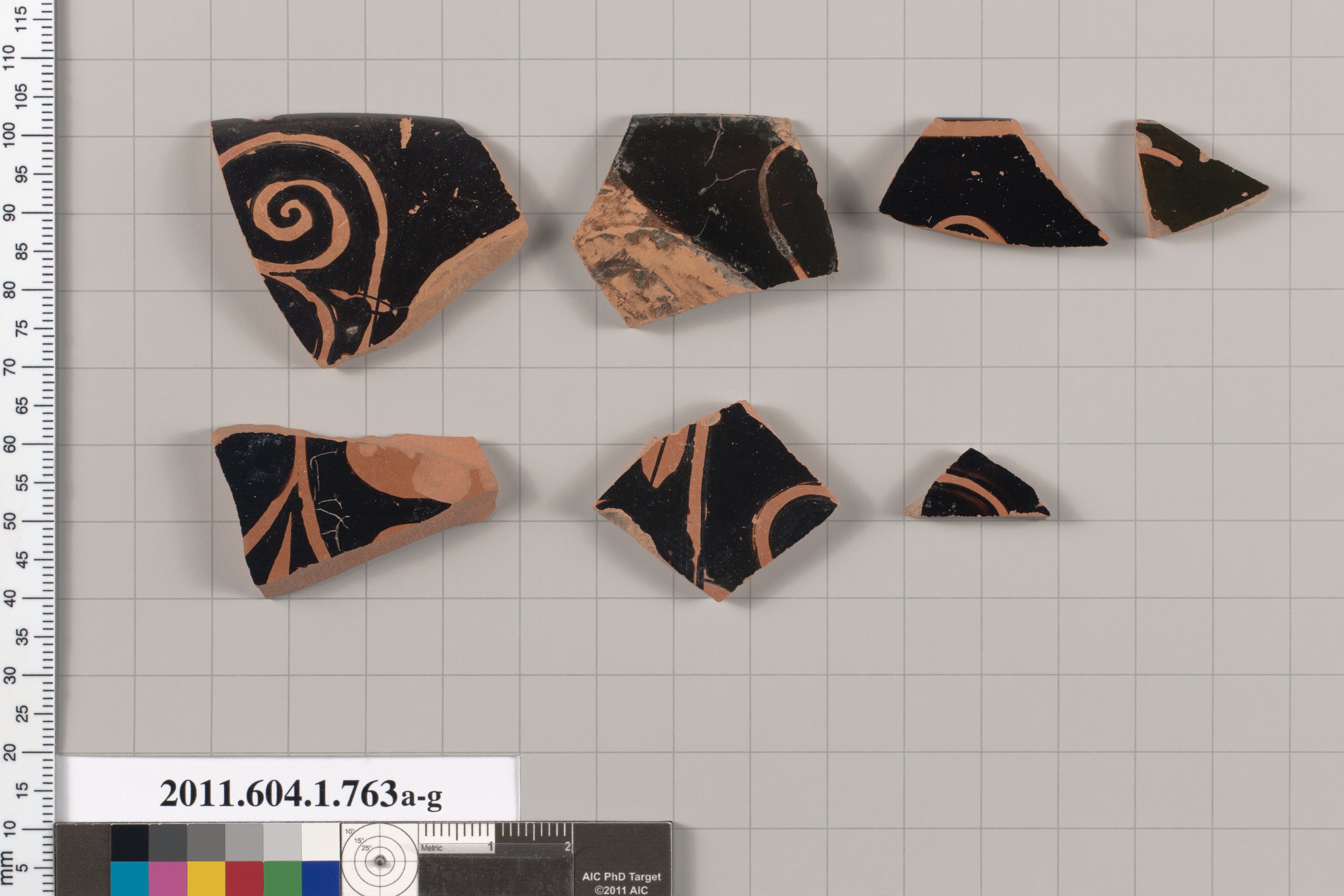
The Lauren Fashion Heritage Lab’s internal genetic code—juxtaposing the still-life philosophy of The Death of Socrates against the kinetic violence of The Hunt—provides a profound hermeneutic for interpreting the terracotta rim fragments of Attic kylikes. These shards, broken drinking vessels from ancient Greek symposia, are not mere archaeological debris. They are material witnesses to a civilization that understood death as both a philosophical stillness and a predatory chase. For the 2026 Old Money silhouette, these fragments demand a rethinking of sartorial heritage: not as static luxury, but as a dialectic between the vessel that holds time and the hunt that consumes it. The terracotta informs a silhouette that is simultaneously a tomb and a blade.
The Kylix as Memento Mori: From Symposium to Sartorial Stillness
The Attic kylix, a shallow two-handled cup used for wine, was central to the Greek symposium—a ritualized space for philosophical discourse, erotic play, and, ultimately, the contemplation of mortality. The terracotta fragments, with their red-figure or black-figure decoration, often depicted scenes of the hunt, the symposium itself, or mythological death. The broken rim is the most revealing part: it is the edge where the drinker’s lips touched, where the wine was poured, where the conversation ended. In The Death of Socrates, the cup of hemlock is the central object—a vessel that transforms poison into philosophy. The kylix fragments, in their fragmentary state, echo this: they are the “after” of the symposium, the residue of a moment when life and death were mediated by a ceramic curve.
For the 2026 Old Money silhouette, this translates into a design language of architectural containment. The terracotta’s earthy orange-brown hue—fired from iron-rich clay—becomes the foundational color of the collection: not a vibrant red, but a muted, oxidized tone that suggests age, burial, and resurrection. The silhouette itself must mimic the kylix’s form: a broad, stable base (the foot of the cup) that flares into a wider, open bowl (the body), then contracts at the rim. This is a silhouette of controlled expansion. Jackets and coats should have structured shoulders that echo the cup’s rim, with a subtle flare at the hem that recalls the bowl’s curve. The waist is cinched, not by a belt, but by the garment’s internal construction—like the kylix’s stem, a narrow point of tension between base and bowl. This is not a silhouette for movement; it is a silhouette for being still, for being observed, for holding the gaze of the viewer as the kylix held the wine. The terracotta’s fragmentary edges—rough, chipped, unglazed—should be translated into raw, unfinished hems or exposed seams, a deliberate anti-luxury gesture that signals the garment’s own mortality. It is a garment that knows it will be broken.
The Hunt in Motion: Terracotta’s Kinetic Tension and the Silhouette of Pursuit
Yet the kylix fragments also depict the hunt. The red-figure technique captures dogs leaping, spears thrusting, and bodies twisting in mid-action. Unlike the static contemplation of The Death of Socrates, these images are all pre-death—the moment before the spear strikes, the instant before the dog’s jaws close. The terracotta’s materiality—its fired clay, its brittle edge—freezes this motion into a permanent almost. The kylix, as a drinking vessel, was passed from hand to hand, rotated, tilted. The drinker would see the hunt scene in fragments, as the cup turned, creating a cinematic experience of pursuit. The broken rim is the ultimate fragment: it is the edge of the action, the point where the hunt is cut off, leaving the viewer in perpetual suspense.
For the 2026 Old Money silhouette, this kinetic tension demands a second, opposing design principle: dynamic asymmetry. The terracotta’s broken edge is not a smooth curve; it is jagged, irregular, unpredictable. The silhouette must incorporate this fracture. A single-shoulder jacket, where one side is structured like the kylix’s rim and the other is cut away, exposing the lining or the body beneath. A skirt that is full on one side, narrow on the other, mimicking the imbalance of a hunter’s lunge. The color palette shifts from the terracotta base to black-figure accents: deep, matte black that absorbs light, used for the “cut” edges, the seams, the hidden linings. This black is not mourning; it is the void into which the hunt disappears. The silhouette must feel unstable, as if the garment itself is in mid-leap, about to catch or be caught. The fabric—wool or cashmere for weight, but with a slight stiffness that holds shape—must resist the body’s movement, creating a tension between the wearer’s action and the garment’s memory of the hunt. This is a silhouette that cannot rest; it is always about to happen.
The Dialectic of Death: Stillness and Motion in the 2026 Silhouette
The terracotta kylix fragments force a synthesis of the two death aesthetics. The Death of Socrates gives us the vessel as tomb; The Hunt gives us the vessel as blade. The 2026 Old Money silhouette must be both. It must be a heritage-black foundation—the color of the symposium’s wine, the earth’s clay, the void’s edge—upon which the terracotta and the black-figure are layered. The silhouette’s base is the kylix’s stable foot: a wide, grounded hem that anchors the garment to the floor, suggesting the stillness of the philosopher’s last moment. But the upper body—the torso, the shoulders, the arms—is the hunt: asymmetrical, dynamic, cut away, revealing the body as prey or predator. The garment’s closure is not a zipper or button, but a pin—a single, sharp metal point that pierces the fabric, like the spear that never lands. This pin is the moment of death, suspended.
The terracotta’s texture—rough, porous, unglazed—informs the fabric choice. Not smooth silk or polished velvet, but raw silk with slubs, unfinished wool with a napped surface, linen that wrinkles like ancient clay. The garment’s surface should catch light unevenly, like the broken rim of the kylix, creating shadows that shift as the wearer moves. The silhouette is not about fit; it is about fragmentation. A jacket that is whole on one side, torn on the other. A dress that is floor-length in front, cropped in back. The asymmetry is not decorative; it is philosophical. It says: you cannot see death whole; you can only see its edges.
Conclusion: The Garment as Fragment
The terracotta rim fragments of Attic kylikes are not artifacts of a lost past; they are blueprints for a future silhouette that refuses to choose between stillness and motion. The 2026 Old Money aesthetic, as informed by these shards, is a heritage-black meditation on mortality: the garment as a vessel that holds the last sip of wine, and as a weapon that never strikes. It is a silhouette that is both tomb and blade, both The Death of Socrates and The Hunt. The wearer is not a passive observer of death; they are the symposium’s philosopher and the hunt’s quarry, simultaneously. The terracotta teaches us that the only way to wear death is to wear its fragments—to let the broken rim define the edge of the body, to let the unfinished hunt shape the line of the shoulder. In the 2026 collection, luxury is not about perfection; it is about the aesthetic of the almost—the moment before the cup is drained, the spear is thrown, the garment is torn. This is the heritage of death, worn on the body, visible in every asymmetrical seam and every raw edge. It is the Old Money of the symposium, reborn in the hunt.