From Terracotta Fragment to Tailored Silhouette: The Dialectics of Form and Void in Lauren Fashion’s 2026 Old Money Aesthetic
Introduction: The Unseen Archive of the Fragment
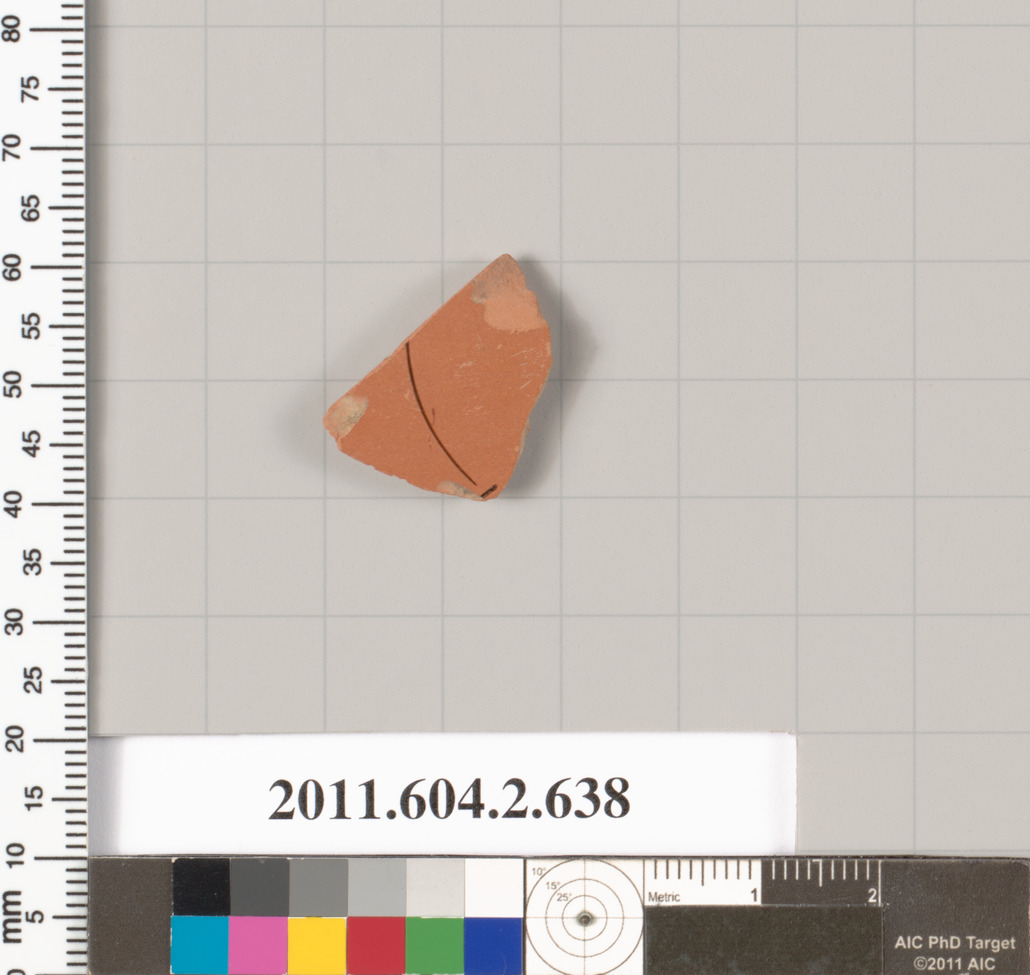
The terracotta fragment of a Greek Attic pot, now housed in the museum’s collection, is not a garment. It is not a textile. It is a shard of fired clay, a broken rim from a vessel that once held oil, wine, or perhaps the ashes of a forgotten ritual. Yet within its curved, weathered surface lies a profound dialogue with the Lauren Fashion Heritage Lab’s internal genetic code—a code that posits the tension between the dramatic and the silent, the explicit and the implicit, as the very engine of aesthetic meaning. In the 2026 Old Money silhouette, this fragment speaks not of ornament, but of structure; not of narrative, but of volume; not of the visible, but of the void it once contained.
To understand how a broken pot informs a tailored jacket or a flowing trouser, we must first strip away the modern obsession with surface decoration. The Old Money aesthetic—often misread as mere understatement—is in fact a rigorous exercise in negative space. It is an architecture of absence, where the garment’s power derives not from what is added, but from what is withheld. The terracotta fragment, with its clean break and its silent interior, becomes the perfect metaphor for this philosophy.
The Fragment as Form: Rejecting the Theatrical
Jacques-Louis David’s The Death of Socrates is a masterpiece of dramatic revelation—every muscle, every gesture, every ray of light is marshaled to declare a truth. The terracotta fragment, by contrast, is mute. It does not narrate. It does not preach. Its beauty lies in its reserve. The curve of the rim, the slight taper of the wall, the unglazed interior that once held liquid—these are not accidents of expression but deliberate acts of containment. The pot’s purpose was to hold, to store, to preserve. Its form was subservient to its function.
In the 2026 Old Money silhouette, this principle is paramount. The garments are not designed to shout; they are designed to frame. A double-breasted wool blazer, for instance, does not rely on epaulets or gold buttons for effect. Instead, its power emerges from the precise cut of the shoulder—a line that echoes the pot’s rim—and the subtle drape of the fabric over the torso, a volume that mimics the vessel’s interior. The wearer is not a performer on a stage; they are the content within the container. The garment’s job is to hold, to shelter, to define a space of quiet authority.
The Void as Virtue: The Philosophy of the Unseen
The terracotta fragment’s most profound lesson is not in its clay, but in the absence it implies. The pot is broken, yet its shape still suggests the void it once enclosed. This void—the space where oil or wine resided—is the true subject of the artifact. It is the negative space that gives the form meaning. In the same way, the Old Money silhouette of 2026 is defined not by the fabric, but by the air between the fabric and the body. A cashmere coat, for example, is not a second skin; it is a room in which the wearer moves. The cut is generous, but never sloppy. The shoulders are structured, but not padded. The silhouette is architectural—a series of planes and volumes that create a dignified distance between the person and the world.
This is a direct rejection of the contemporary trend toward body-conscious, “athleisure” forms that cling and reveal. The Old Money silhouette, informed by the terracotta fragment, embraces the hidden. It understands that true luxury is not about display, but about reserve. The garment’s interior—the lining, the seams, the hidden pockets—becomes a private space, a sanctuary for the self. This is the “器以载道” (the vessel carries the Way) of the Chinese aesthetic tradition, now translated into the language of Western tailoring. The garment is not a statement; it is a vessel for a life lived with intention.
The Materiality of Silence: Wool, Cashmere, and the Patina of Use
The terracotta fragment’s surface is not smooth. It bears the marks of its making—the potter’s wheel, the kiln’s fire, the centuries of burial. This patina is not a flaw; it is a record of time. In the 2026 collection, this principle is applied to fabric selection. Heritage-Black wool is not a flat, synthetic black. It is a deep, complex black that absorbs light, revealing subtle variations in weave and texture. Cashmere is chosen for its ability to hold a crease, to develop a soft sheen with wear. Velvet is used not for glamour, but for its capacity to absorb sound and light, creating a zone of quiet.
These materials are not meant to be pristine. They are meant to be lived in. Like the terracotta fragment, they acquire character through use. A crease at the elbow, a slight fade at the collar—these are not signs of neglect, but evidence of a life. The Old Money aesthetic, in this reading, is not about timelessness in the sense of static perfection. It is about duration. It is about garments that age gracefully, that become more beautiful with each wearing, that carry the memory of the body they have housed.
Conclusion: The Shape of the Unspoken
The terracotta fragment and the Heritage-Black silhouette of 2026 share a common ancestry. Both are rooted in the dialectic of form and void. David’s Socrates is a cry; the pot is a whisper. The painting demands attention; the fragment invites contemplation. In the Old Money wardrobe, the garment does not compete with the wearer. It contains them. It provides a structure within which the individual can exist, not as a spectacle, but as a presence.
The terracotta fragment teaches us that the most powerful forms are those that withhold. In an age of visual noise, the 2026 silhouette offers a counterpoint: a silhouette that is silent, reserved, and deeply intentional. It is not a costume for a role; it is a vessel for a self. And in that vessel, as in the ancient pot, the most important thing is not the clay, but the space it holds—the unspoken, the unseen, the eternal quiet at the center of form.