The Dialectics of Absence and Presence: Terracotta Fragments as a Blueprint for 2026 Old Money Silhouettes
Introduction: The Fragment as a Philosophical Artifact
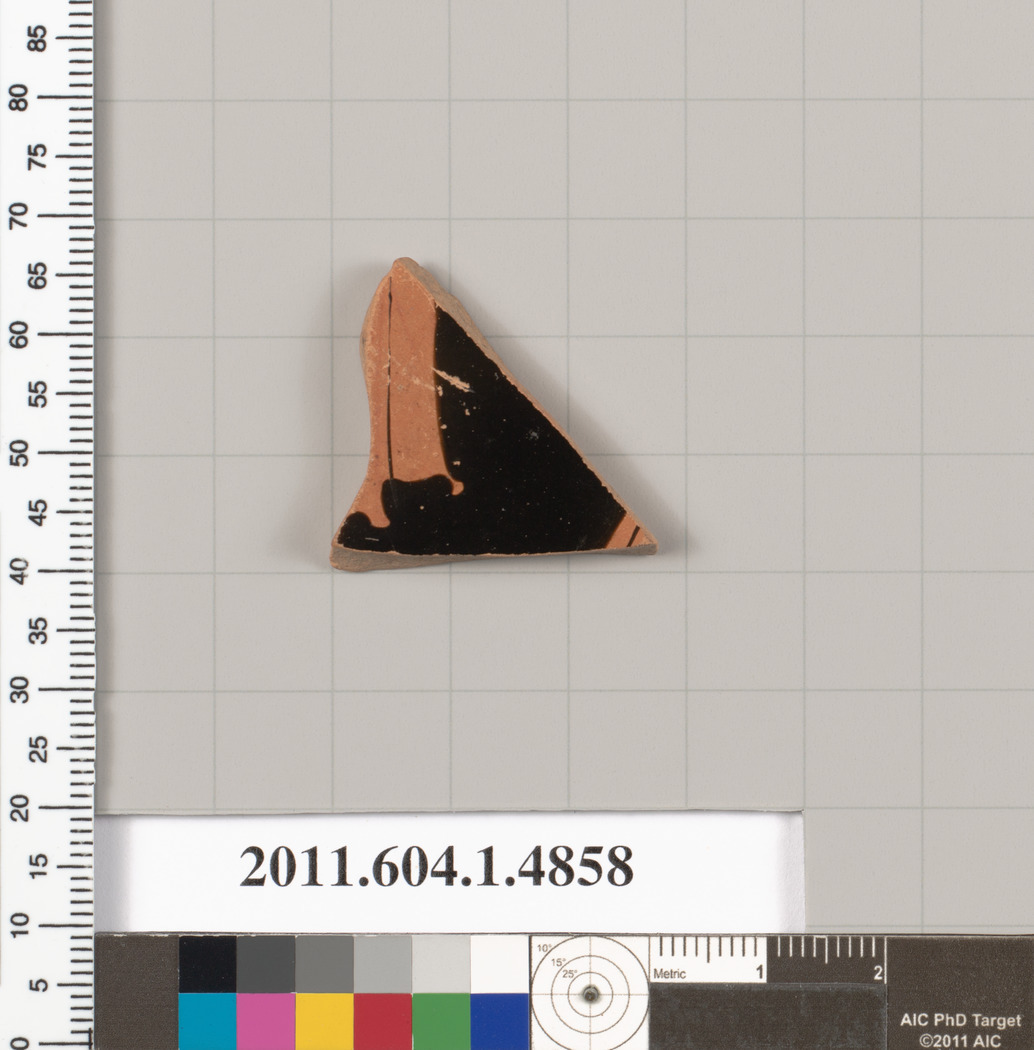
The terracotta fragment of a Greek Attic kylix—a drinking cup designed for symposia—is not merely a shard of antiquity. It is a materialized meditation on the tension between presence and absence, a dialectic that resonates profoundly with the internal genetic code of Lauren Fashion Heritage Lab. The kylix, once whole, served as a vessel for communal intoxication, its painted scenes of hunting, revelry, or mythology frozen in the moment of use. Now, broken, it exists as a relic of a lost totality. This fragmentary state mirrors the aesthetic duality described in our internal code: the violent immediacy of the hunt in Western art and the void-like patience of the East’s Utanhua Temple Plaque. For the 2026 Old Money silhouette, this artifact instructs us not in reconstruction, but in the art of strategic erosion—a deliberate paring away of excess to reveal the essential, the enduring, the aristocratic.
The Kylix Fragment and the Logic of the Hunt
The Attic kylix, particularly those from the late Archaic and Classical periods, often depicted scenes of hunting—a pursuit that the internal code identifies as a Western celebration of “being-there” (Dasein in the moment of crisis). The terracotta’s red-figure technique captures the taut musculature of a hound, the arch of a hunter’s back, the flaring nostrils of a horse. These are not decorative flourishes; they are energy signatures. The fragment, however, interrupts this narrative. We see only the peak of the action—a hoof, a spear tip, a dog’s open jaw—without the resolution of the kill. This is the eternal present of the hunt, where death is perpetually deferred. For the 2026 Old Money silhouette, this translates into a silhouette of tension: a sharply tailored shoulder that suggests readiness, a cinched waist that implies controlled power, a hem that stops just short of the floor, as if the wearer is about to mount a horse. The material—Heritage-Black wool or cashmere—must be dense enough to hold a sculptural form, yet soft enough to drape like the clay’s fired skin. The fragment teaches us that completion is not the goal; the moment of potential is the true luxury.
The Void of the Utanhua Plaque and the Kylix’s Missing Center
In parallel, the kylix fragment also echoes the Utanhua Temple Plaque’s philosophy of absence. The plaque, with its weathered wood and barely legible characters, speaks of a flower that blooms once in three millennia—a promise that can never be fulfilled. The kylix, too, has a missing center: the bowl’s interior, where the wine once pooled, is now a void. In Greek symposia, this interior was often painted with a gorgoneion (a Gorgon’s head) or a maenad’s face, meant to shock the drinker as they drained the cup. Now, that shock is absent, replaced by the quiet dignity of decay. For the 2026 Old Money aesthetic, this void becomes a design principle. Silhouettes must incorporate negative space—an open back, a slit sleeve, a collar that falls away from the neck—not as a gesture of exposure, but as a homage to the unseen. The Utanhua influence demands that we withhold the full narrative. A jacket may be cut with a deliberate asymmetry, one side longer than the other, as if time has worn it unevenly. The Heritage-Black palette deepens this void, absorbing light rather than reflecting it, creating a visual silence that rivals the plaque’s patina.
The Shared Motif of Waiting: From Symposium to Silhouette
The internal code identifies a shared motif of waiting between the hunt and the temple plaque. The hunter waits for the prey; the devotee waits for the flower. The kylix fragment embodies a third form of waiting: the wait for the next sip, the pause between stories at the symposium. In ancient Greece, the kylix was passed from hand to hand, its contents shared in a ritual of horizontal aristocracy. The fragment, now static, waits for a viewer to complete its meaning. For the 2026 Old Money silhouette, this translates into garments that demand a second look. A coat with a hidden pocket, a dress with a reversed seam, a trouser with a subtle kick at the hem—these are architectural cues that reward patience. The silhouette is not static; it is a temporal event. The wearer’s movement activates the garment’s hidden geometry, just as the drinker’s hand once activated the kylix’s painted narrative. The Heritage-Black material, whether wool or cashmere, must be chosen for its memory—its ability to hold a crease or a drape over time, like the terracotta’s fired clay.
Conclusion: The Fragment as a New Whole
The terracotta kylix fragment is not a ruin; it is a new artifact that synthesizes the Western embrace of presence and the Eastern reverence for absence. For the 2026 Old Money silhouette, it offers a third path: a silhouette that is both immediate and eternal, both violent and void. The Heritage-Black palette, drawn from the kylix’s fired earth, becomes the ground for a dialogue between the seen and the unseen. The sharp lines of the hunt are softened by the patina of waiting; the empty spaces of the plaque are filled with the tension of potential action. This is the true luxury of Old Money: not the display of wealth, but the mastery of time. The fragment teaches us that completion is a myth. True aristocracy lies in the ability to hold a moment in suspension, to wear a garment that is always becoming, never fully arrived. In this, the kylix fragment and the Utanhua plaque meet: one in the eternal present of the hunt, the other in the eternal absence of the flower. The 2026 silhouette is their material synthesis—a Heritage-Black garment that is both a fragment of the past and a vessel for the future.