The Paradox of the Ephemeral: Terracotta Fragments and the Temporal Architecture of Old Money Silhouettes
In the hushed galleries of the Tokyo National Museum, a wooden temple plaque inscribed with “Udumbara Flowers” (Udonge) hangs in silent repose, its grain barely disturbed by ink-washed petals. Across Kyoto, within a Zen temple’s archive, an ancient scroll titled Chest for Storing Garments unfolds to reveal lotus motifs painted on the silk lining of a storage box. These two artifacts—one a devotional object, the other a functional container—seem worlds apart. Yet they share a profound aesthetic paradox: the attempt to capture the eternal through the most fragile of materials. The udumbara flower, a Buddhist symbol of a once-in-three-millennia auspicious event, is rendered not with meticulous realism but with near-“flying white” brushstrokes, leaving the petals to emerge and dissolve into the wood’s natural fissures. The chest, designed for daily garments, hides its lotus and cloud patterns inside, where they remain unseen by casual eyes, transforming the mundane act of storage into a spiritual rite. This tension between the transient and the timeless, between the visible and the concealed, offers a compelling hermeneutic for understanding the 2026 Old Money silhouette—a fashion language that, like these artifacts, privileges restraint, material honesty, and the quiet accumulation of meaning over time.
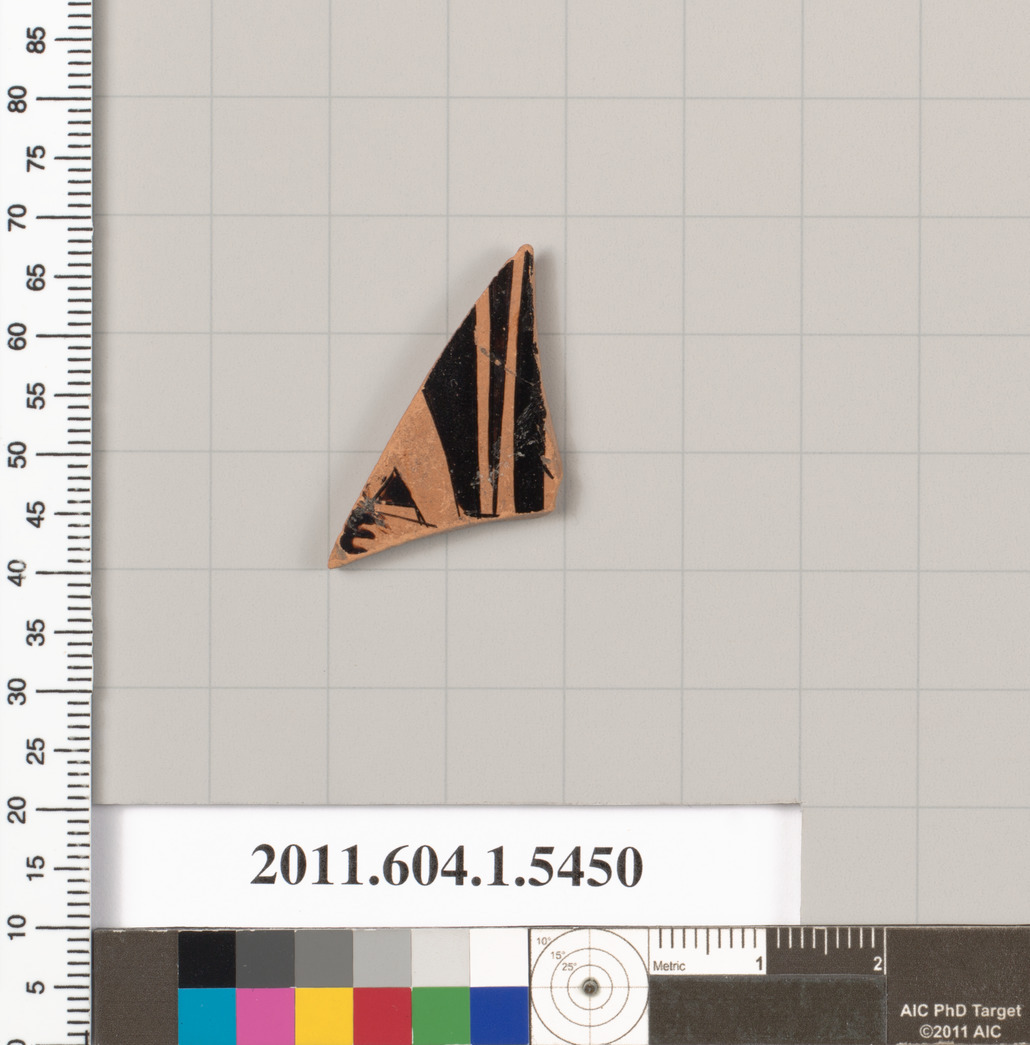
The terracotta fragment of a kylix (drinking cup) from Attic Greece, now housed in a museum vitrine, may appear as a distant cousin to these East Asian treasures. Yet its broken rim, its faded black-figure decoration, and its very incompleteness resonate with the same aesthetic logic. A kylix was a vessel for wine, a tool of the symposion, a space of fleeting pleasure and philosophical discourse. Its terracotta body—fired earth, porous and humble—was never intended for eternity. The fragment we see today is a survivor of accident and time, its painted scenes of athletes or gods now only partially legible. This is not a flaw but a feature: the fragment enacts the very condition of heritage. It does not pretend to be whole; it wears its history as a texture. For the 2026 Old Money silhouette, this fragment teaches a critical lesson: luxury is not about pristine perfection but about the patina of lived experience. Just as the udumbara plaque’s cracks become part of the flower’s revelation, and the chest’s hidden lotus speaks to an interior life, the terracotta fragment insists that true elegance is found in the acceptance of impermanence.
From Broken Vessel to Structured Garment: The Silhouette as Temporal Archive
The Old Money aesthetic has long been associated with understatement—a navy blazer, a cashmere sweater, a well-cut trouser. But the 2026 iteration, informed by these archaeological and artistic precedents, deepens this vocabulary. The terracotta kylix fragment suggests a silhouette that is deliberately “unfinished” in its perfection. Consider the jacket: not a rigid, armored shoulder, but a softened, slightly dropped line that mimics the curve of a broken pot’s rim. The fabric—perhaps a dense wool or a matte silk—is chosen not for its shine but for its ability to absorb light, much like the terracotta’s porous surface absorbs pigment. The hem of a coat might be left raw, a deliberate echo of the fragment’s broken edge. This is not carelessness; it is a philosophical stance. The garment becomes a temporal archive, its construction revealing the hand of the maker and the passage of time, rather than concealing them behind seamless technology.
The internal genetic code of the udumbara plaque and the garment chest further refines this silhouette. The plaque’s “flying white” brushwork—where the brush runs dry, leaving gaps in the ink—teaches a lesson in negative space. Applied to fashion, this translates into silhouettes that breathe: a double-breasted jacket with exaggerated lapels that create a void between the body and the fabric; a trouser with a subtle, unlined pleat that falls open like a petal. The chest’s hidden lotus motif suggests a hierarchy of visibility. For 2026, this means garments that reveal their most exquisite details only in motion or in intimate proximity: a lining of Heritage-Black silk with a barely perceptible jacquard pattern, a buttonhole hand-stitched in a contrasting thread that catches the light only at a certain angle. The Old Money silhouette becomes a poetics of concealment, where the most precious elements are reserved for those who take the time to look.
The Materiality of the Fragment: Terracotta’s Lesson for Fabric and Form
Terracotta is earth, fired and brittle. It is a material that does not pretend to immortality. Its fragmentary state is its truth. In the 2026 Old Money wardrobe, this translates into a preference for natural fibers that age gracefully—linen that softens, wool that develops a nap, cashmere that pills slightly. The silhouette is not designed to look “new” but to look “lived-in.” A double-breasted overcoat in Heritage-Black wool might be cut with a slight asymmetry, referencing the kylix’s broken rim, while its surface is left uncalendered to retain a tactile, almost granular quality. The weight of the fabric becomes a statement: a heavy, dense cloth that falls with the same gravity as a terracotta shard, grounding the wearer in the present while evoking centuries of craft.
The juxtaposition of the udumbara flower’s three-thousand-year cycle with the daily garment’s ephemerality finds its echo in the kylix’s dual nature. The cup was both a functional object and a canvas for mythological narrative. Similarly, the 2026 silhouette must serve both the quotidian and the transcendent. A simple black turtleneck, for instance, becomes a “blank” surface onto which the wearer projects their own history—much like the terracotta fragment’s empty spaces invite the viewer to imagine the missing figures. The silhouette is minimal but not empty; it is a vessel for time itself.
Conclusion: The Eternal in the Everyday
The terracotta fragment, the udumbara plaque, and the garment chest converge on a single truth: the most profound expressions of heritage are those that embrace their own fragility. The 2026 Old Money silhouette, informed by these artifacts, is not a nostalgic return to a golden age but a forward-looking embrace of impermanence. It is a silhouette that wears its history as a texture, that finds beauty in the broken edge, the faded ink, the hidden lotus. In a world of fast fashion and digital perfection, this is a radical act: to dress in a manner that acknowledges time, that invites the patina of living, and that reserves its deepest secrets for those who pause to look. The moon that once illuminated the temple plaque and the chest’s silk lining now falls upon a coat’s raw hem, a jacket’s imperfect shoulder, a trouser’s quiet fall. In that light, the eternal is not a distant promise but a present reality, woven into the very fibers of our daily garments.