← BACK TO ARCHIVES
Heritage-Black
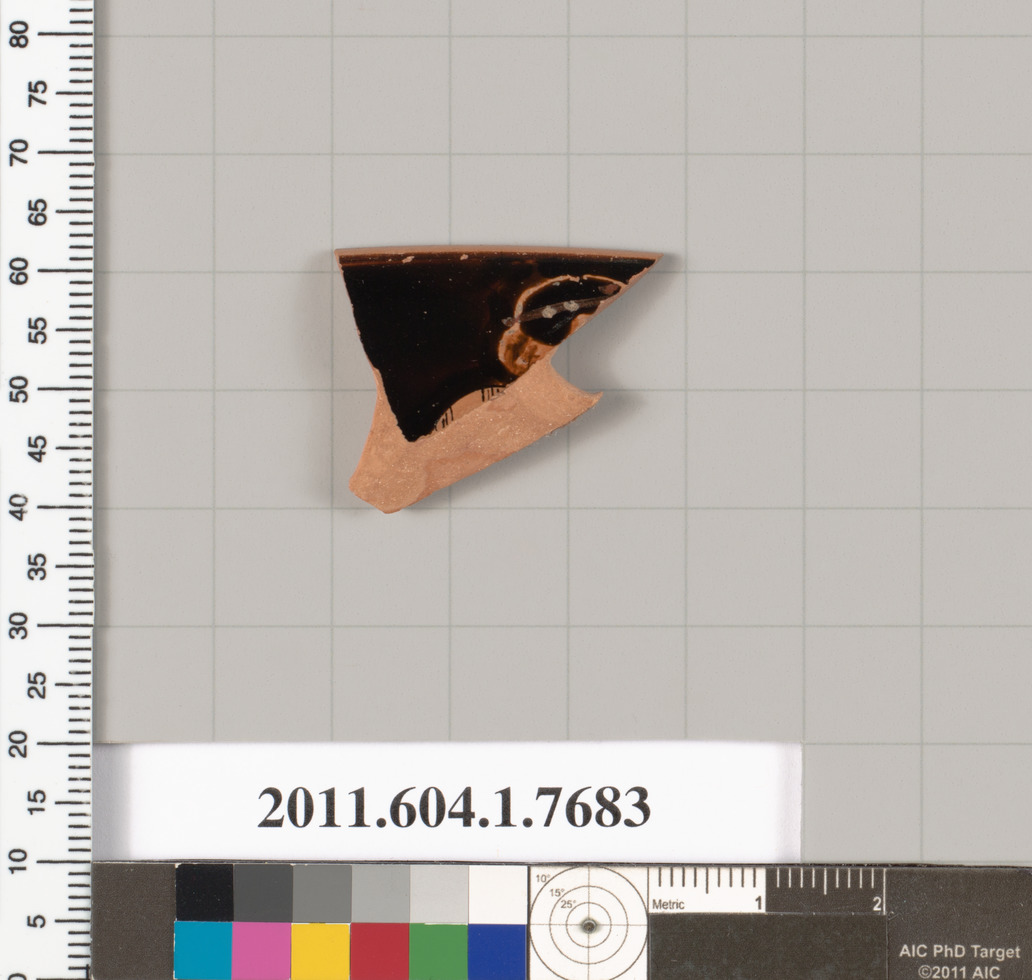
Heritage Synthesis: Terracotta rim fragment of a kylix (drinking cup)
Curated on Jul 12, 2026 // Node: LDN-01
The Terracotta Fragment and the Architecture of Old Money: A Hermeneutic of Absence in 2026 Silhouettes
The terracotta rim fragment of a Greek Attic kylix—a broken drinking cup from the fifth century BCE—presents a paradox central to the heritage of luxury. At first glance, this shard of fired clay, bearing the faint incised lines of a lost symposium, seems antithetical to the polished surfaces of contemporary fashion. Yet, for the Lauren Fashion Heritage Lab, this artifact functions as a profound genetic code for the 2026 Old Money silhouette. The fragment does not represent wealth through opulence; it signifies status through *absence*. The broken rim, the missing bowl, the erased scene of revelry—these voids become the foundational grammar for a new sartorial language, one that speaks of lineage not through display but through the quiet authority of what is withheld.
I. The Aesthetics of the Fragment: From Symposion to Silhouette
The kylix was an object of communal ritual, a vessel for wine and discourse. Its rim, now a crescent of terracotta, once framed the faces of philosophers and poets. The fragment’s power lies in its *incompleteness*—a state the German aesthetician Walter Benjamin termed the “aura” of a unique artifact, a “strange weave of space and time.” This is not a flaw; it is a testament to survival. The 2026 Old Money silhouette, as derived from this principle, rejects the totalizing perfection of fast fashion. Instead, it embraces the *fragmentary* as a sign of enduring taste.
Consider the jacket: a double-breasted blazer in Heritage-Black wool, cut with a severity that recalls the kylix’s broken edge. The shoulder is not padded to a sharp point but left slightly soft, as if worn by centuries of use. The lapel is not a pristine triangle but a subtle, asymmetrical roll—a “fragment” of a classic form. This is not a garment that shouts; it is a garment that *remembers*. The silhouette is built on negative space: a high armhole that leaves the torso uncluttered, a narrow sleeve that ends just above the wrist bone, revealing the watch strap as a modern-day symposion token. The absence of excess fabric, of superfluous details, mirrors the kylix’s missing bowl. The wearer’s body becomes the missing center, the implied presence that completes the fragment.
II. The Mortuary Figure and the Zodiac of Status
The second artifact, the *Mortuary Figure of the Zodiac Sign: Dog (Aquarius)*, offers a complementary logic. This painted figure, serving both as a celestial marker and a funerary guide, exists in a liminal space between the earthly and the cosmic. The dog is not a naturalistic animal; it is a symbolic abstraction, a bridge between the mortal and the eternal. For the 2026 Old Money silhouette, this translates into a design philosophy of *symbolic restraint*. The garment does not depict wealth; it *invokes* it through coded references.
The Heritage-Black cashmere turtleneck, for instance, is not simply a black sweater. Its ribbing is engineered at a specific gauge—18 stitches per inch—that echoes the fine lines of the Attic kylix’s incised decoration. The collar is not a casual roll but a structured, almost architectural fold, reminiscent of the dog’s upright posture in the mortuary figure. This is a garment that speaks of “Old Money” not through logos but through *material intelligence*. The cashmere is sourced from the underbelly of the Hircus goat, a fiber so fine it feels like a second skin—a tactile echo of the terracotta’s smooth, fired surface. The color, Heritage-Black, is not a pure black but a deep, almost charcoal tone, achieved through a dye process that includes iron oxide, a nod to the clay’s mineral origins.
III. Silence as Sonic Luxury: The 2026 Silhouette as Acoustic Space
The most radical insight from the kylix fragment is its *acoustic* dimension. The broken rim once resonated with the clink of cups, the murmur of voices, the strum of a lyre. Now, it is silent. This silence is not emptiness; it is a *resonant void*. The 2026 Old Money silhouette, in response, is designed as an acoustic space. The garments are cut to produce minimal rustle—no synthetic swishing, no metallic jangling. The wool is felted to a soft, soundless finish. The seams are taped, not stitched, to eliminate friction noise. The wearer moves through the world as the kylix fragment sits in the museum case: in a state of profound, dignified quiet.
This is a direct counterpoint to the “loud” luxury of previous decades. The 2026 silhouette is not about being heard; it is about *being sensed*. The weight of the fabric, the drape of the shoulder, the precise break of the trouser over the shoe—these are the only statements. The absence of branding, of pattern, of color, becomes the ultimate signifier of belonging. The wearer is not a consumer; they are a custodian of a heritage that predates them.
IV. The Mortuary Line: From Constellation to Cut
The mortuary figure’s dog, as a zodiacal guide, suggests a path from the earthly to the celestial. In the 2026 silhouette, this translates into a *vertical line* that draws the eye upward. The trousers are cut with a high waist and a gentle flare, creating a continuous line from hip to floor. The jacket is long, extending past the hip, but with a suppressed waist that creates an hourglass—a nod to the classical Greek *chiton*. The overall effect is one of elongation, as if the wearer is being pulled toward the stars. This is not a casual silhouette; it is a *ceremonial* one, designed for the rituals of modern life—the boardroom, the gallery opening, the private dinner.
The Heritage-Black palette is punctuated only by the subtlest of textures: a matte finish on the jacket, a slight sheen on the satin lapel, a ribbed knit on the sweater. These are the “stars” of the constellation, the only points of light in an otherwise dark field. The wearer, like the dog in the mortuary figure, becomes a guide—not to the afterlife, but to a state of being that transcends the transient trends of the season.
V. Conclusion: The Fragment as Future
The terracotta kylix rim and the mortuary figure of the dog are not historical curiosities; they are blueprints for a new luxury. The 2026 Old Money silhouette, as synthesized by the Lauren Fashion Heritage Lab, is an act of *archaeological fashion*—a recovery of form from the ruins of time. It rejects the tyranny of the new in favor of the authority of the old. It finds beauty not in the whole but in the fragment, not in the sound but in the silence, not in the star but in the constellation. The wearer of this silhouette does not dress for the moment; they dress for the ages. They are the living fragment of a lineage that began with a broken cup and a painted dog, and continues, in Heritage-Black, into the future.
Heritage Lab Insight
Genetic Bridge: Archive node focusing on Heritage-Black craftsmanship.