Terracotta Fragments and Timeless Silhouettes: An Archaeology of Quiet Authority
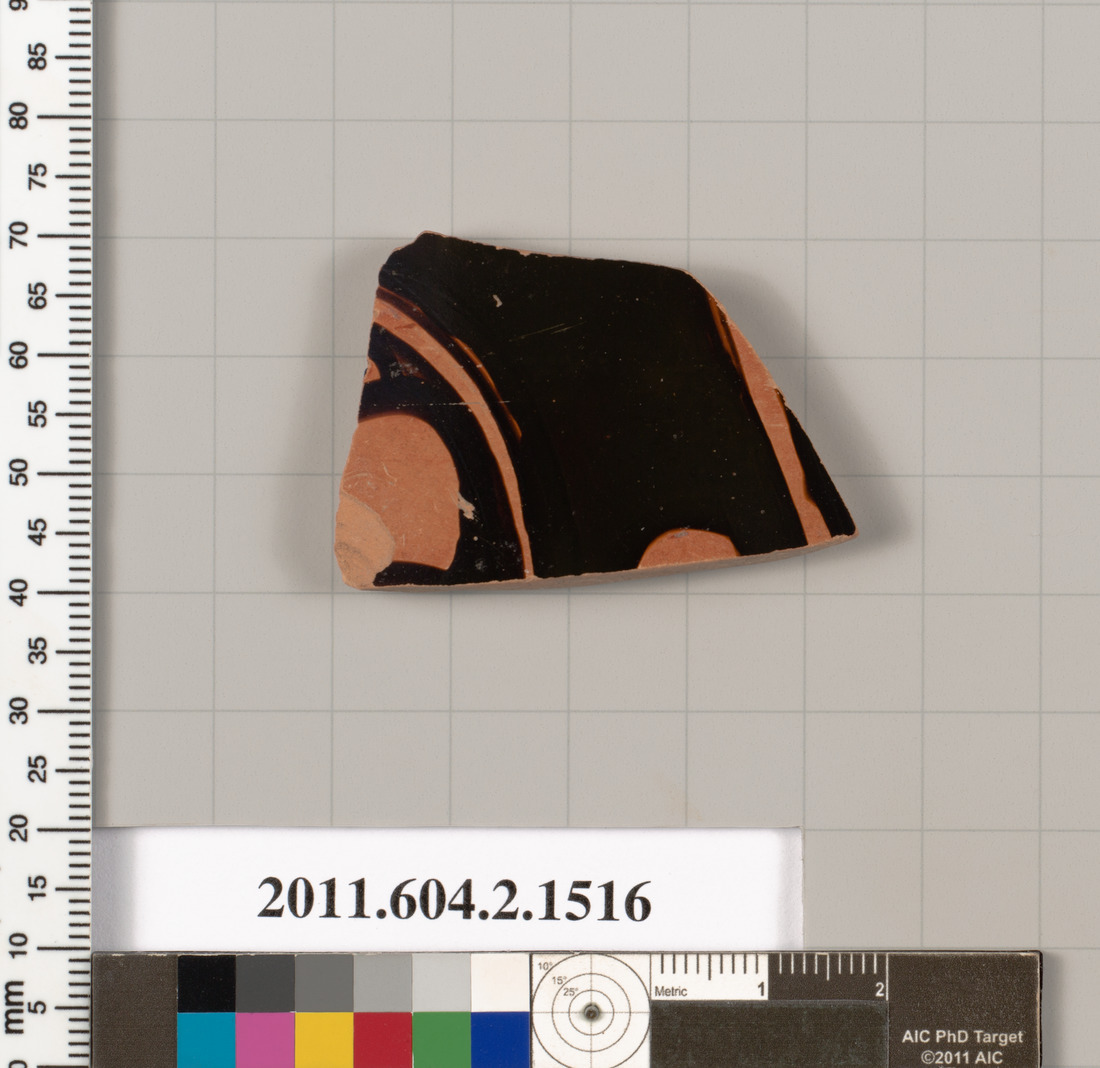
The 2026 Old Money aesthetic, as interpreted through the Lauren Fashion Heritage Lab, transcends mere trend replication to engage in a deeper dialogue with enduring codes of cultivated existence. It seeks not the loud proclamation of wealth, but the whispered assurance of legacy—a sartorial philosophy that finds profound resonance in the unlikeliest of places: a fractured terracotta fragment of an Attic skyphos. This ancient drinking vessel, and specifically its surviving shard, provides a material and philosophical blueprint for constructing the contemporary Old Money silhouette. By synthesizing its lessons with the internal genetic code of Eastern scholar’s rocks and Luohan paintings—which privilege abstracted essence over literal representation and spiritual space over material clutter—we arrive at a 2026 silhouette defined by architectonic integrity, patinated simplicity, and a narrative of cultivated use.
The Fragment as Complete Statement: Architectonic Integrity
The skyphos fragment, though partial, retains the undeniable architectonic curvature of the original vessel. Its broken edge does not diminish the authority of its form; rather, it emphasizes the essential, structural logic of its design. This directly informs the 2026 Old Money silhouette, which moves away from superfluous detail toward foundational, almost architectural, garment construction. Inspired by the fragment’s self-contained elegance, silhouettes will emphasize a sculptural purity of line. Think of a single-breasted wool overcoat where the drape is dictated not by fashion-forward exaggeration, but by the inherent weight and behavior of the fabric itself, much as the skyphos’s form was dictated by its function and material. Shoulders are structured yet natural, waists are defined through precise tailoring rather than constriction, and skirts or trousers exhibit a clean, parabolic flare that echoes the vessel’s generous cup. The silhouette is a complete statement in itself, like the fragment, needing no additional ornament to justify its aesthetic authority.
The Patina of Existence: Materiality and "Percé" Emptiness
The terracotta’s surface—once slick with black-figure glaze, now worn to a variable, earthy texture—speaks of time and touch. This patina of use is central to the Old Money ethos, which values the acquired character over the factory-fresh. For 2026, this translates into fabrics with inherent depth and a lived-in nobility: aged cashmeres, brushed heritage tweeds, and matte, non-reflective silks that possess a tactile history. Crucially, this material philosophy intersects with the “瘦皱漏透” (shou, zhou, lou, tou: slim, wrinkled, pierced, transparent) principles of the scholar’s rock. The “lou” (pierced) quality—the rock’s hollows that create a “theater of light and shadow”—finds sartorial expression in strategic negative space. This is not literal cut-outs, but rather the pierced emptiness of a deeply open neckline on a simple dress, the negative space within a perfectly unbuttoned blazer, or the graceful reveal of a wrist beneath an exactly tailored sleeve. These controlled absences, like the rock’s cavities or the skyphos’s missing pieces, invite contemplation and imply a world beyond the immediate form, creating a silhouette that is as much about composed emptiness as it is about substance.
Cultivated Narrative: The Silhouette as a Vessel
The original skyphos was a vessel for communal ritual (the symposium), its form encoding a social narrative. The fragment retains that narrative potential. Similarly, the 2026 Old Money silhouette functions as a vessel for the cultivated self. It carries a narrative of understated engagement with culture, travel, and heritage. This aligns with the internal code’s analysis of the Luohan painting, where “the subtle treatment of the characters’ eyes creates a visual channel between the present world and the other shore.” Garments will feature details that suggest this depth of narrative: a lining of antique map-printed silk, a button fashioned from a repurposed intaglio, or a collar that references archival military tailoring without becoming costume. The silhouette thus becomes a mediated symbol, akin to the Luohan as an “image symbol” of inner awakening. It does not shout its provenance; it quietly evidences it through impeccable, personal detail.
Heritage-Black: The Ultimate Synthesis
The category of Heritage-Black is the chromatic and philosophical culmination of this research. It is the color of the aged terracotta’s deepest shadows, the ink of the Luohan painting, the void within the scholar’s rock that contains infinite possibility. For 2026, Heritage-Black is not a flat, industrial hue, but a complex, layered depth—a wool crepe that reads as charcoal in certain light, a velvet that absorbs light to reveal blue undertones, a matte leather that softens to a sheen. Worn head-to-toe or as anchoring separates, Heritage-Black creates a silhouette of ultimate cohesion and quiet power. It performs the same function as the “blank space suffused with the Zen aesthetic of ‘空寂’ (kongji, emptiness and tranquility)” in the painting, providing a serene, unifying ground against which the refined architecture of the garment—and the individual wearing it—is profoundly highlighted.
In conclusion, the terracotta fragment, through its fractured permanence and material honesty, provides a foundational metaphor. When its lessons in essential form, valued patina, and embedded narrative are filtered through the Eastern aesthetic lens of abstracted essence and spiritual space—where the “useless use” of the scholar’s rock leads to spiritual wandering—the resulting 2026 Old Money silhouette is redefined. It is no longer about outdated signifiers of wealth, but about archaeological elegance: garments that feel discovered, not manufactured; that speak of time’s passage with grace; and that, like the finest artifacts, create a boundless interior world within a precisely defined, and deeply resonant, form.