From Symposium to Salon: Terracotta, Contained Revelry, and the 2026 Old Money Silhouette
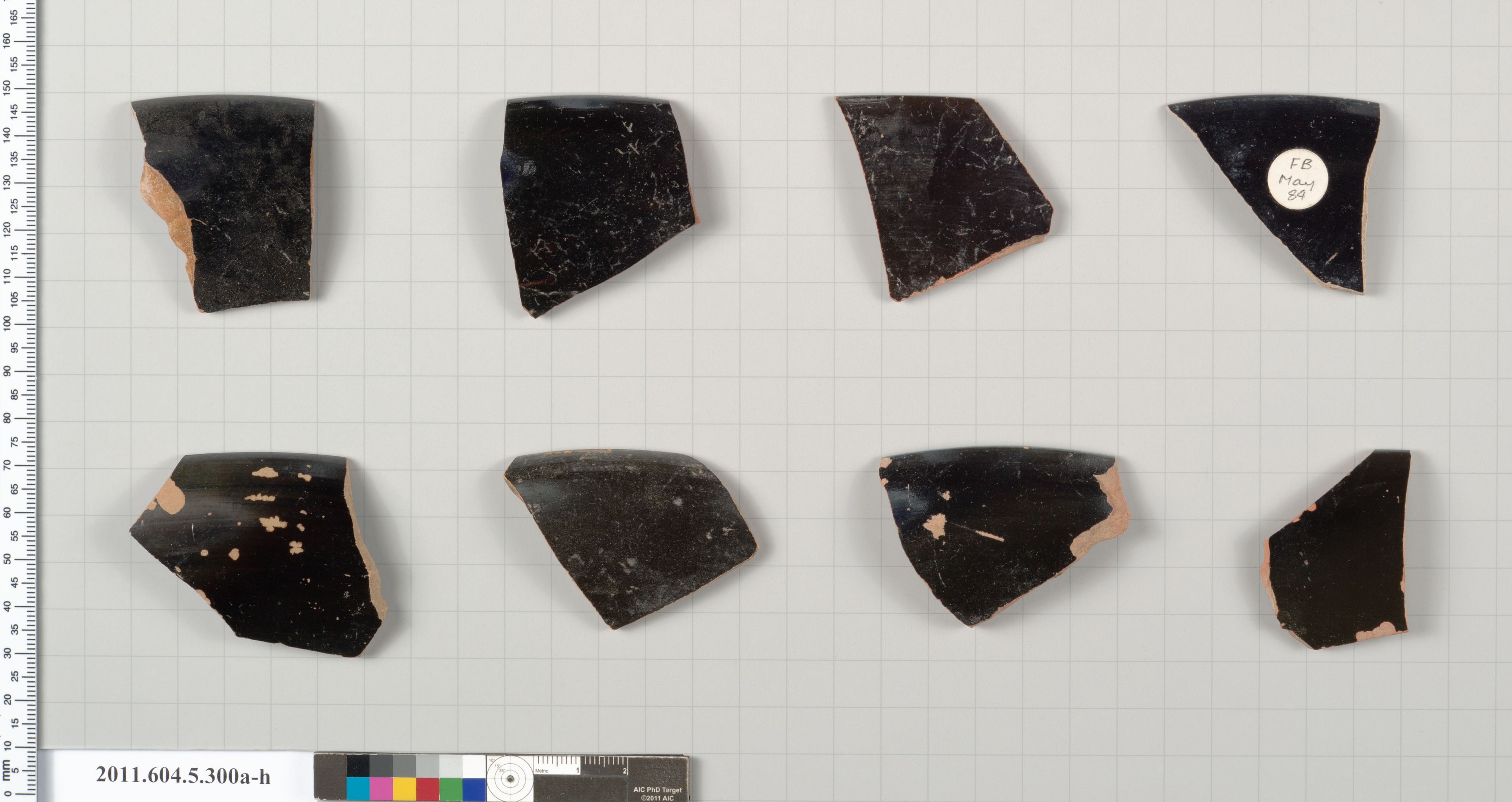
The Lauren Fashion Heritage Lab’s internal genetic code posits a profound Eastern aesthetic philosophy where objects are microcosms, blending art, poetry, and utility to create spaces for spiritual dwelling and wandering. This analysis, however, engages in a deliberate dialectic by introducing a foundational artifact from a contrasting tradition: the Terracotta rim fragments of Attic kylikes (drinking cups). These ancient Greek relics, far from being mere shards, offer a parallel yet distinct narrative of contained social ritual, democratic form, and the aesthetics of the circle—concepts that critically inform the evolution of the 2026 "Old Money" silhouette from nostalgic replication to intelligent, contemporary embodiment.
The Kylix: Vessel of Democratic Ritual and Contained Excess
Unlike the introspective, meditative objects described in our internal archives—the poem-inscribed landscape vessel or the罗汉-type armchair—the Attic kylix was an instrument of sociability, debate, and Dionysian release within the highly formalized context of the symposium. Its terracotta material is instructive: humble, fired earth, yet transformed through exquisite black- and red-figure painting into a canvas for mythological narrative, political commentary, and erotic play. The form itself, a wide, shallow bowl on a slender stem, was engineered for a specific social performance: wine drinking while reclining. The broad, flat interior (tondo) often featured a surprising or revelatory image revealed only as the cup was drained. This design encapsulates a core principle for 2026: the containment of narrative and excess within a refined, purpose-built form. The "Old Money" aesthetic is not about ostentation but about the quiet confidence that comes from knowing the code, where luxury is implied, not declared, and revelry is always tempered by propriety.
Translating the Fragment: The Silhouette of the Circle and Architectural Drape
The specific focus on rim fragments is crucial. They arrest the kylix at its defining architectural boundary—the perfect circle that meets the lips and frames the interior world of the cup. This circular geometry, echoed in the roundback of the罗汉 armchair from our archives, becomes a central tenet for 2026. We interpret it not as literal circularity, but as a philosophy of self-contained perfection and architectural integrity. For the 2026 silhouette, this manifests in several key ways:
1. The Hem as a Defining Rim: Just as the kylix’s rim contains the wine, the hemline of a garment becomes a critical, defining boundary. Expect impeccably weighted, circular hems on skirts and coats that swing with a precise, contained motion—a clean, geometric line that grounds the body with quiet authority. Dresses may feature trompe l'oeil drapery or finely pleated sections that echo the shallow, bowl-like curve of the kylix, creating volume that is structured, not voluminous.
2. Terracotta as a Color and Texture Palette: The material itself informs the 2026 "Old Money" palette. We move beyond stark neutrals into a spectrum of fired earth tones: warmed clays, ochres, and burnt sienas, alongside the cool, ashy black of the vessel’s painted figures. These are colors with depth and history, not mere fashion hues. Texture becomes paramount—fabrics with a matte, chalky finish reminiscent of unfired clay, or subtly crackled jacquards that echo the patina of antiquity, all rendered in the most luxurious wools, cashmere, and heritage silks.
3. Structured Drape and the Reclining Form: The kylix was designed for use while reclining. This translates to a silhouette engineered for elegant, dynamic repose. Garments will exhibit a mastery of structured drape—kimono-inspired sleeves that fall from a precise shoulder, columnar dresses with strategic darting that allows fabric to cascade gracefully when seated, and tailored trousers with a relaxed yet impeccable line that suggests ease without slouch. The body, like the symposiast, is always composed, even in leisure.
Synthesis: The Contained Narrative and the New Old Money Ethos
The internal genetic code speaks of objects that invite the user into a "preset, yet open poetic situation." The Attic kylix does the same, but its poetry is one of social ritual and layered revelation. For 2026, the "Old Money" silhouette embodies this synthesis. It is a vessel for the modern individual, containing a personal narrative that is revealed gradually—through the subtle narrative of a custom lining (a modern tondo), the intentional choice of a heritage fabric, or the architectural cut that flatters only upon movement.
This approach moves the "Old Money" concept beyond pastiche. It is no longer about wearing symbols of wealth, but about embodying the principles of contained power, social intelligence, and aesthetic refinement that those symbols originally represented. Like the terracotta kylix—a humble material elevated to high art through form and narrative—the 2026 silhouette uses impeccable construction and intellectual design, rather than overt logos, to signal belonging. The resulting look is one of Heritage-Black in spirit: profound, timeless, and authoritative, built on the deep, cross-cultural foundations of the vessel—whether it holds wine, a poem, or the modern self.
Thus, the terracotta fragment informs a silhouette that is at once architectural and fluid, reserved yet potent, serving as a perfect vessel for the nuanced performance of contemporary life. It proves that true heritage is not a style to be copied, but a logic of form, function, and meaning to be decoded and re-embodied for a new age.