Heritage Artifact Analysis: The Pojagi Wrapping Cloth
Introduction: The Intersection of Utility and Artistry
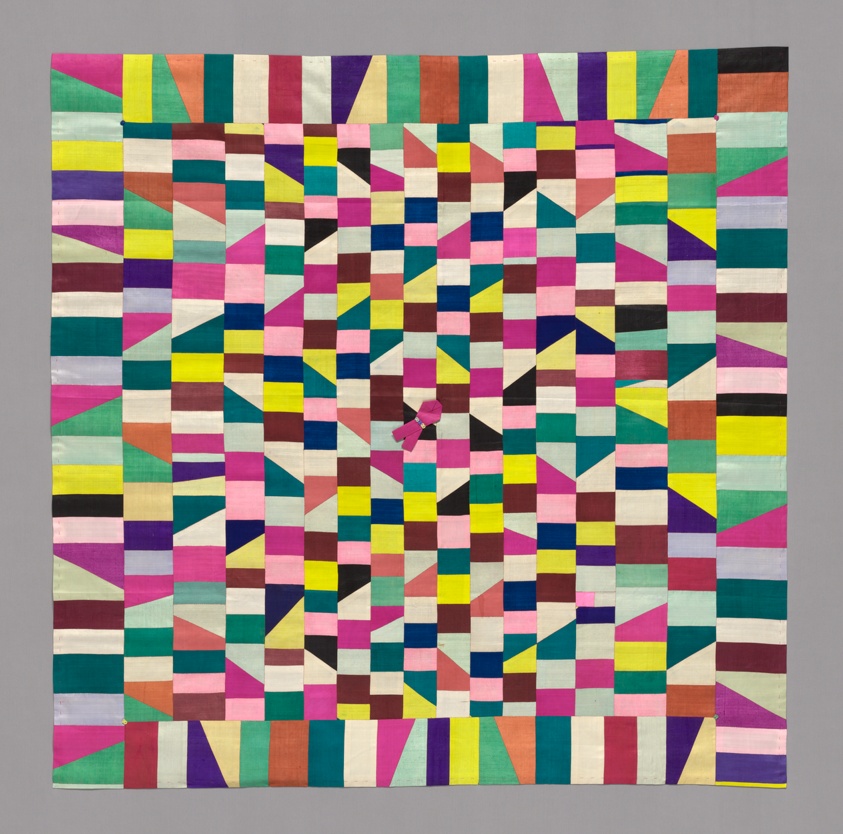
Within the hallowed corridors of the Lauren Fashion Heritage Lab, we examine artifacts that transcend mere function to embody cultural narratives and technical mastery. The Pojagi—a traditional Korean wrapping cloth—represents a pinnacle of silk craftsmanship, where materiality and design converge in fluid elegance. This artifact, rendered in plain-weave silk with pieced construction and attached ribbon and cord, offers a profound study in heritage preservation, aesthetic restraint, and the enduring dialogue between East Asian textile traditions and global fashion sensibilities. As a Senior Heritage Specialist, I approach this object with the precision of a Savile Row tailor: every stitch, every fold, every fiber tells a story of discipline and grace.
Materiality: Silk as a Medium of Expression
The silk foundation of this Pojagi is paramount. Plain-weave silk, known for its lightweight yet durable character, provides a canvas that balances opacity with a subtle sheen. Unlike heavier brocades or satins, the plain weave here prioritizes drape and breathability—qualities that align with the cloth’s original purpose: to wrap, protect, and transport precious items. The silk’s natural luster, achieved through sericulture and meticulous reeling, reflects light with a soft, understated glow, evoking the quiet luxury of a bespoke Savile Row lining. This is not ostentatious wealth; it is the quiet confidence of superior materials.
The pieced construction is a hallmark of Pojagi craftsmanship. Rather than a single woven panel, the cloth is assembled from multiple silk segments, often in contrasting or complementary colors. This technique, known as jogakbo in Korean tradition, transforms waste or remnant silk into a harmonious whole. Each seam is a testament to resourcefulness—a philosophy that resonates with the Savile Row ethos of minimizing waste through precise cutting and pattern matching. The piecing also introduces structural integrity: the seams create natural fold lines, allowing the cloth to wrap objects with geometric precision. The attached ribbon and cord serve both functional and aesthetic roles. The ribbon, often in a contrasting hue, reinforces the edges, while the cord facilitates tying. Together, they echo the tailored finishing of a bespoke garment—every detail intentional, every component essential.
Context: Classic Silk Craftsmanship and Fluid Elegance
The Pojagi’s origins lie in the Joseon Dynasty (1392–1910), a period when silk was a marker of status and refinement. However, unlike European silks reserved for courtly attire, Korean Pojagi were democratic in their utility: used by aristocrats and commoners alike for wrapping gifts, clothing, or ceremonial objects. The fluid elegance of this artifact emerges from its dual nature. When laid flat, the silk’s plain weave creates a serene, almost minimalist surface. When draped or tied, the fabric responds with a liquid movement, the pieced seams creating a rhythmic visual cadence. This is not static beauty; it is a dynamic interplay between form and function.
In the context of classic silk craftsmanship, the Pojagi exemplifies mastery of hand-finishing. The edges are meticulously hemmed, often with a rolled seam that prevents fraying—a technique analogous to the hand-rolled edges of a Savile Row pocket square. The ribbon attachments are stitched with even tension, ensuring they do not pucker the silk. This level of detail speaks to a tradition where the maker’s hand is present but never obtrusive. The cloth’s color palette—typically muted earth tones, soft blues, or pale pinks—reflects Confucian aesthetics of modesty and harmony. Yet, the piecing introduces subtle contrast, a quiet rebellion against uniformity. It is this balance of restraint and individuality that defines the Pojagi’s elegance.
Heritage Significance: Bridging Tradition and Modernity
As a heritage artifact, the Pojagi holds lessons for contemporary fashion. Its zero-waste construction anticipates modern sustainability concerns, proving that luxury need not be wasteful. The pieced silk segments, often salvaged from larger projects, mirror the Savile Row practice of using every scrap of cloth for linings or pocket bags. Moreover, the Pojagi’s versatility challenges the Western notion of fashion as fixed form. It is a garment, a bag, a ceremonial object—a chameleon of textile design. This fluidity aligns with the Lauren Fashion Heritage Lab’s mission to explore how heritage techniques can inform future innovation.
The attached ribbon and cord also offer a tactile dimension. In Korean tradition, the act of tying a Pojagi was a ritual—a gesture of care and intention. The cord’s knot, often a bow or a simple loop, becomes a signature of the wrapper’s personality. This personalization echoes the bespoke tradition of monogramming or custom fittings. The cloth is not mass-produced; it is a dialogue between maker and user, a relationship encoded in silk and thread.
Conclusion: A Study in Timeless Craft
The Pojagi wrapping cloth, with its plain-weave silk, pieced construction, and ribbon-cord detailing, is a masterclass in materiality and meaning. It speaks to a heritage where utility and artistry are inseparable, where every seam and stitch carries the weight of tradition. For the Lauren Fashion Heritage Lab, this artifact is not merely a relic; it is a blueprint for how silk can transcend fashion cycles. In the spirit of Savile Row—where precision meets poetry—the Pojagi reminds us that true elegance is found in the details. It is a cloth that wraps not just objects, but stories, and in doing so, wraps us in the enduring legacy of silk craftsmanship.